Investors push Target to disclose pesticide use in private-label products
Investors want Target to spell out pesticide use in private-label products, a push that could reshape sourcing rules, testing and vendor oversight for owned brands.
A shareholder fight over pesticides could reach Target’s owned-brand aisles, not just the boardroom. Investors backing a new proposal want the company to disclose how it measures and reduces pesticide use in private-label products, a change that could eventually affect vendor standards, testing expectations and the questions store and supply-chain teams field about baby food, food, beauty and other Target brands.
The proposal was filed by Trillium Asset Management along with the Adrian Dominican Sisters Portfolio Advisory Board, Bon Secours Mercy Health, CommonSpirit Health, Congregation of St. Joseph, Daughters of Charity Province of St. Louise and Mercy Investment Services. In an exempt solicitation sent to shareholders on May 11, the coalition asked investors to support Item 6 on Target’s 2026 ballot. The investors want Target to report on the presence of pesticides in its private-label brands and on any efforts to quantify and cut them. They argue that Target does not collect, analyze or disclose quantitative information on pesticide use across its agricultural supply chains.
The timing matters because Target’s annual meeting will be held virtually on Wednesday, June 10, 2026, at 12:00 p.m. Central Daylight Time, and shareholders can access the company’s proxy materials and voting information online. The board is asking investors to focus on leadership continuity, saying Michael Fiddelke is the right leader to guide the company into its next chapter. The proxy materials also name two new independent directors, Stephen Bratspies and John Hoke, III, while Douglas Baker, Grace Puma and Donald Knauss will leave the board after the meeting.
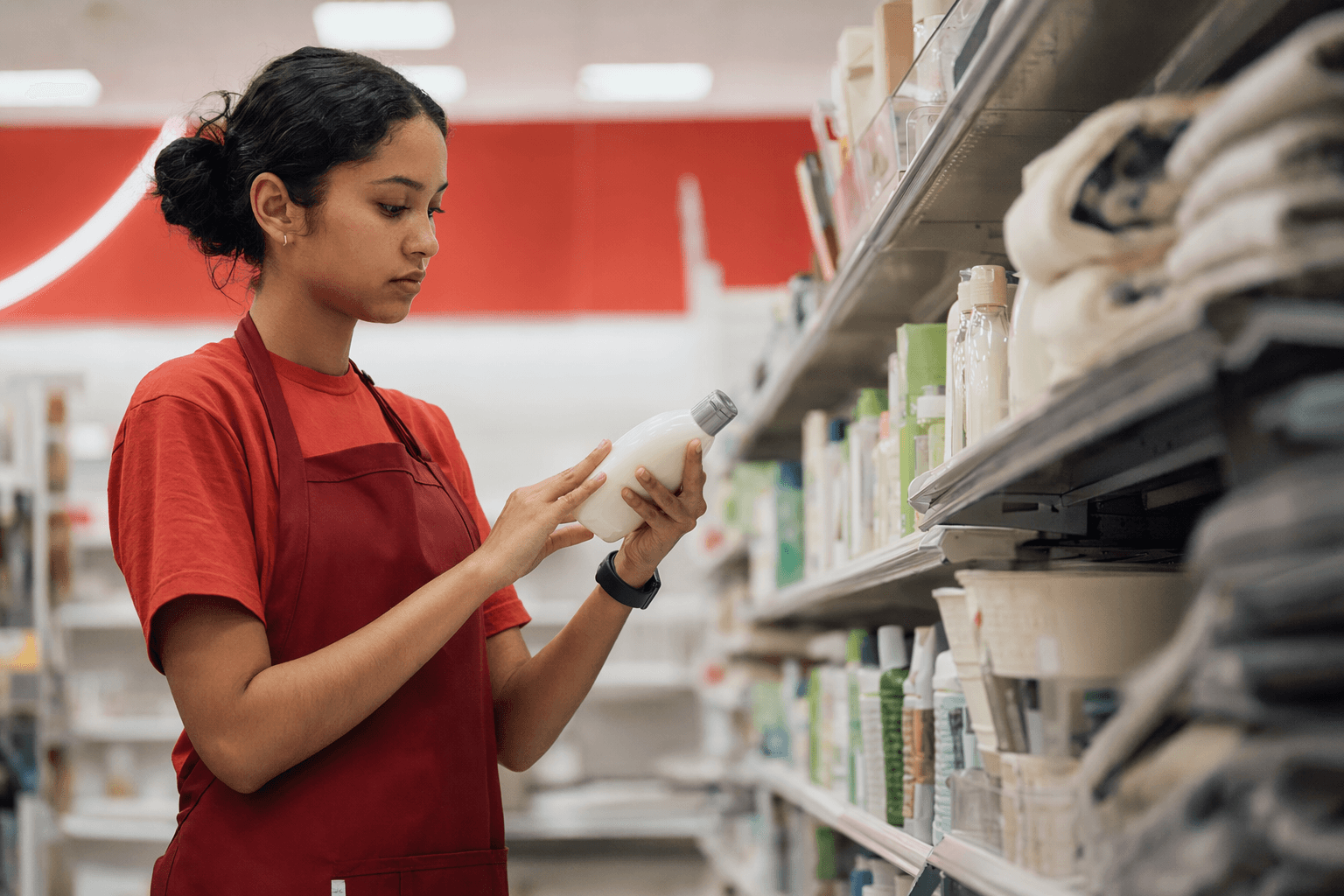
For Target workers, the practical stakes sit in the product set. The pesticide backers say a 2025 study found 29 pesticides in Target own-brand baby food, up from 21 in 2024, and that 16 of those pesticides were classified as highly hazardous to the environment or human health. They also say Target’s 2024 net sales from apparel and accessories, food and beverage, and home furnishings and décor topped $57 billion, or about 53% of net sales. Those are the categories most exposed to private-label sourcing rules, supplier audits and label claims that can ripple from Minneapolis to the sales floor.

The proxy season is not stopping there. National Legal and Policy Center is urging shareholders to vote against Item 7, the microfiber proposal submitted by As You Sow, in what it says is its first formal shareholder engagement with Target. As You Sow says textiles are the third-largest market for plastic, synthetic fibers make up 63% of global fiber production, and microfiber pollution is a growing issue in garments. It cites the European Union’s target to cut microplastic pollution 30% by 2030 and Under Armour’s pledge that 75% of its fabrics will be low-shed materials by 2030. Even if these proposals do not pass, they show where outside pressure is building, and where future reporting, sourcing and vendor rules could land on the job.
This article was produced by Prism’s automated news system from verified source data, official records, and press releases, then run through automated quality and moderation checks before publishing. The system is built and supervised by the people who set the standards it runs under. Read our full AI policy.
Did this article answer your question?