Labor Department Drops Defense of Biden Overtime Rule, Decision Due by June 30
The Labor Department has dropped its court defense of the Biden overtime rule and will decide by June 30 how to proceed, leaving Target leaders with pay questions still unresolved.
Team leads and salaried store leaders at Target have the most immediate reason to watch the Labor Department’s next move: overtime status can change weekly pay, scheduling, and how many hours a manager is expected to absorb before the work spills past a normal shift. The department said it will make a final decision by June 30 on how to proceed with the Biden-era overtime rule, a signal that the legal fight is not over even after it walked away from defending the regulation in court.
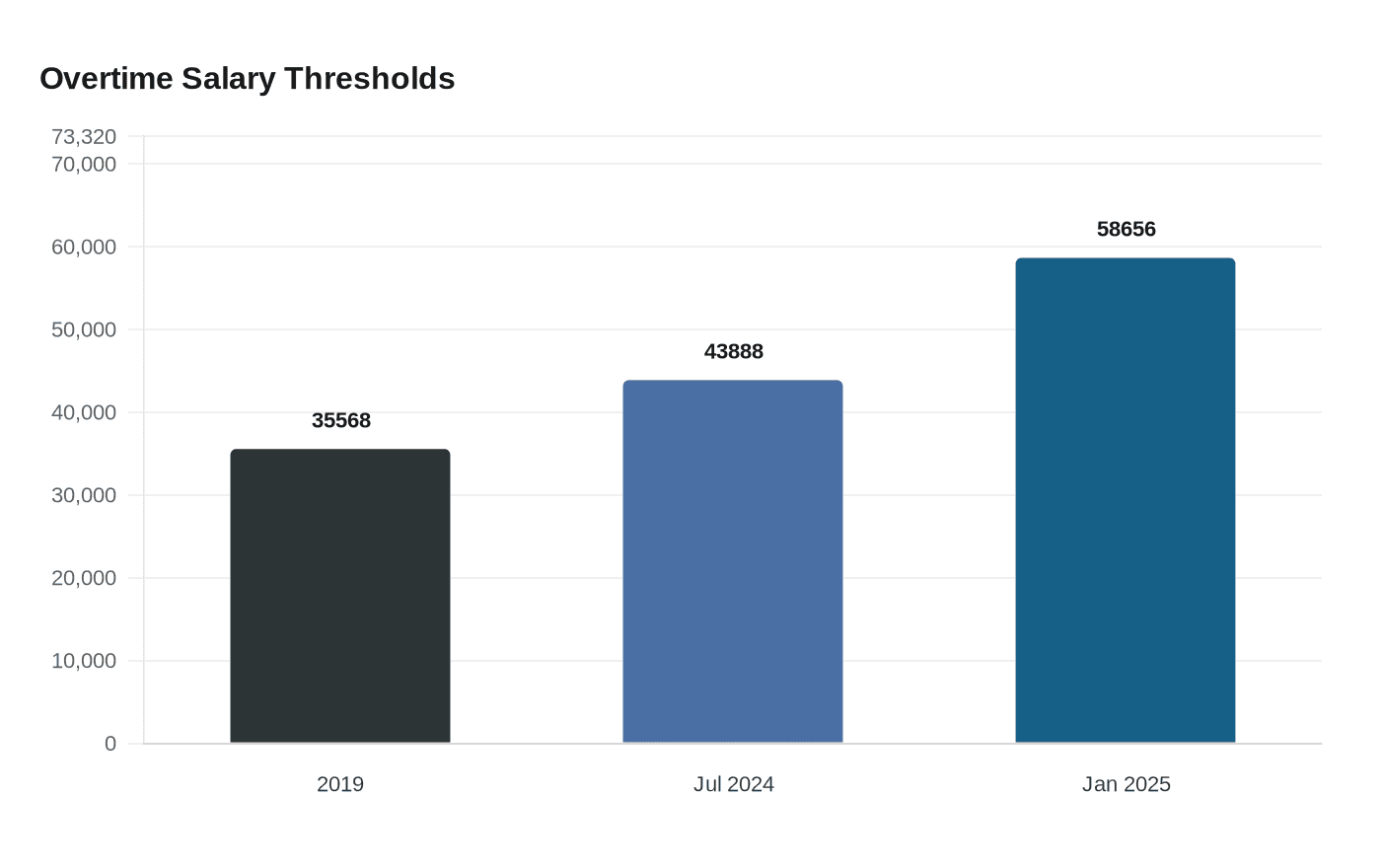
On May 5, the Labor Department filed a joint stipulation in Flint Avenue, LLC v. U.S. Department of Labor in the Fifth Circuit, formally ending its defense of the rule and allowing the agency to withdraw its appeal. The Biden-era rule, announced in April 2024, would have lifted the standard salary threshold in two steps, first to $43,888 on July 1, 2024, and then to $58,656 on January 1, 2025. A separate part of the rule also raised the threshold for highly compensated employees. But the U.S. District Court for the Eastern District of Texas vacated the rule on November 15, 2024, and the department is now enforcing the older 2019 thresholds: $684 per week, or $35,568 a year, for executive, administrative, and professional exemptions, and $107,432 a year for highly compensated employees.

For Target, that matters most in the jobs where hours and authority overlap, especially executive team leaders, team leads, and other salaried roles that can blur the line between management and frontline labor. Former and current Target executive team leaders sued in February 2025, saying they were scheduled for 47.5 hours or more each week while spending more than half their time on non-managerial work and being denied overtime pay. That makes the federal overtime dispute more than a technical labor-law fight. It is a live question about how retail leadership jobs are staffed, how much labor can be pushed onto salaried workers, and when a title stops matching the work.
The practical checklist for Target leaders is straightforward: verify classification, compare salary against the current federal thresholds, track actual hours worked, and pay attention to state-law protections that may be stronger than federal rules. The Labor Department says lawsuits over the 2024 rule are still pending in two other federal district courts, so the standards could shift again. For Target’s field leadership, the safer assumption is that overtime exposure, workload, and pay compliance will keep landing back on the same issue: who is really exempt, and who is working like they are not.
This article was produced by Prism’s automated news system from verified source data, official records, and press releases, then run through automated quality and moderation checks before publishing. The system is built and supervised by the people who set the standards it runs under. Read our full AI policy.
Did this article answer your question?