Retail sales surge, but fuel costs may shift shopper spending
Gasoline receipts and tax refunds pushed March retail sales up 1.7%, but Target teams may feel the lift most in essentials, not discretionary aisles.
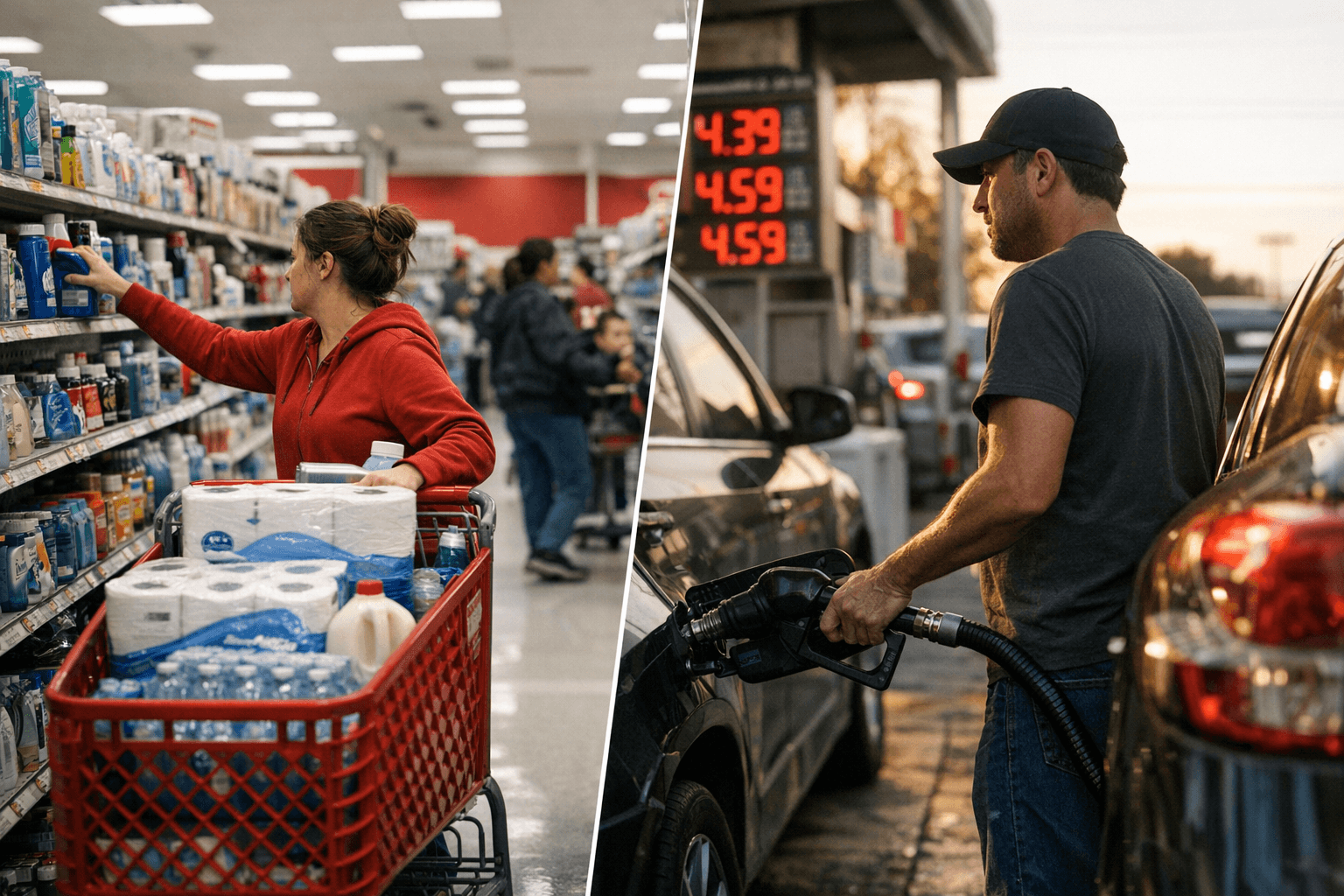
Stronger March sales may keep Target stores busy, but not evenly. U.S. retail sales rose 1.7% in March after an upwardly revised 0.7% gain in February, a bigger increase than economists had expected, yet the headline was driven heavily by gasoline and tax refunds rather than a clean broad-based spending boom.
That matters on the sales floor. Gasoline-station receipts jumped 15.5% in March, the biggest gain since the government started tracking the series in 1992, after retail gasoline prices soared 24.1%. The U.S. Commerce Department’s Census Bureau said sales were up 4.0% from a year earlier. At the same time, the March consumer price index rose 0.9%, with gasoline the main driver, as global oil prices climbed more than 30% amid the Middle East conflict. Stanford Institute for Economic Policy Research economists estimated those war-driven price spikes raised Americans’ average annual gasoline costs by $857 this year.

For Target team members, the practical read is straightforward: shoppers may still come in, but they are likely to be more selective. James McCann, senior economist for investment strategy at Edward Jones, said households were leaning on tax refunds and broader savings to keep spending. That kind of support tends to help essentials, value-driven categories and seasonal needs hold up better than discretionary aisles when fuel costs bite into budgets.
That split is the part store leaders should watch. Traffic in groceries, paper, household basics and lower-ticket items can stay sturdy even when guests trim back on apparel, home furnishings and other non-essentials. The mix can make a store look busy without feeling easy to run, especially if guests are trading down, asking more value questions, or buying fewer items per basket. For ETLs, the difference shows up in scheduling and labor planning: one department can need more coverage while another slows down quickly once a tax refund-fueled purchase is done.
The March report also lands against Target’s own turnaround push. Michael Fiddelke has said he wants to restore annual sales growth by spending more than $2 billion in 2026 on stores and guest experience improvements, including $1 billion for new stores and remodels and another $1 billion to improve the shopping experience. Target expects 2026 net sales growth of 2% after three years of declines, a reminder that resilient traffic alone will not solve the mix problem if shoppers keep steering toward essentials and away from higher-margin discretionary goods.
The near-term read for Target is not a surge in every aisle. It is a store by store test of whether the business can capture value-conscious shoppers now, before higher fuel costs start squeezing the rest of the basket later.
This article was produced by Prism’s automated news system from verified source data, official records, and press releases, then run through automated quality and moderation checks before publishing. The system is built and supervised by the people who set the standards it runs under. Read our full AI policy.
Did this article answer your question?