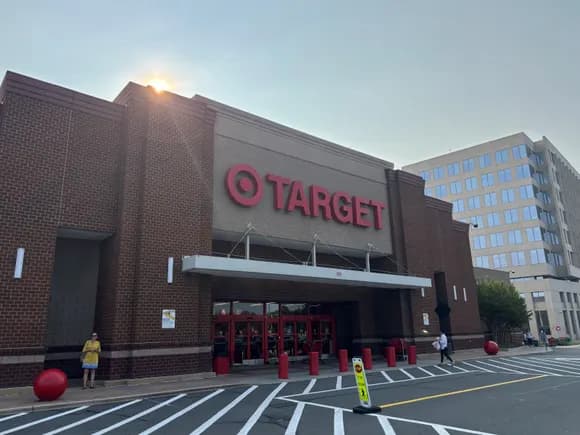
Stable U.S. jobless claims ease Target retention worries, hiring still slow
Target workers may have steadier jobs, but not faster hires: jobless claims stayed low while continuing claims rose, keeping hours and backfills tight.
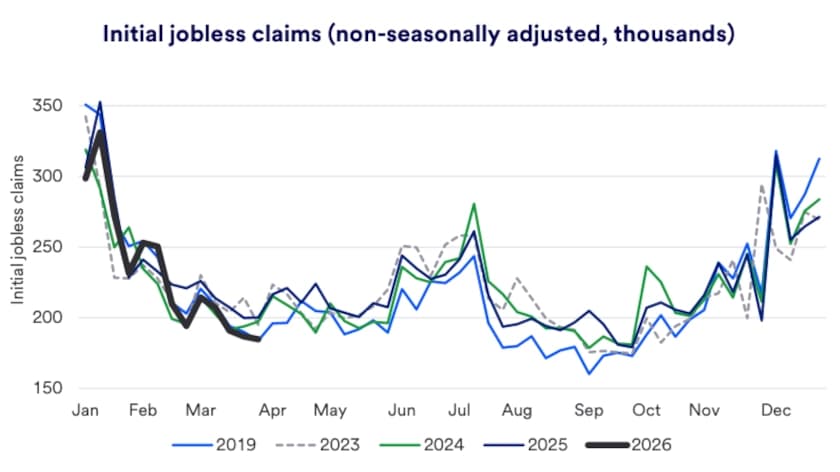
If you are trying to pick up more hours at Target or waiting for a vacant role to be filled, the latest labor data points to a market that is steady but still cautious. Initial U.S. jobless claims rose only 6,000 to 214,000 for the week ended April 18, while economists had expected 210,000. That kept layoffs low, but it did not signal the kind of hiring surge that would quickly open up shifts, backfill jobs, or loosen scheduling pressure for store leaders.
The bigger signal for Target comes from continuing claims, which climbed 12,000 to 1.821 million for the week ended April 11. That suggests more people are staying on unemployment longer, a sign that hiring is not accelerating even as companies avoid large-scale cuts. March payrolls added 178,000 jobs after a 133,000 decline in February, and payrolls have fallen in six of the last 15 months. The result is a labor market that is not breaking, but is not especially hot either. For Target, that means managers may feel less urgency to panic about retention, yet still have reason to be careful about replacing departures and approving extra hours.
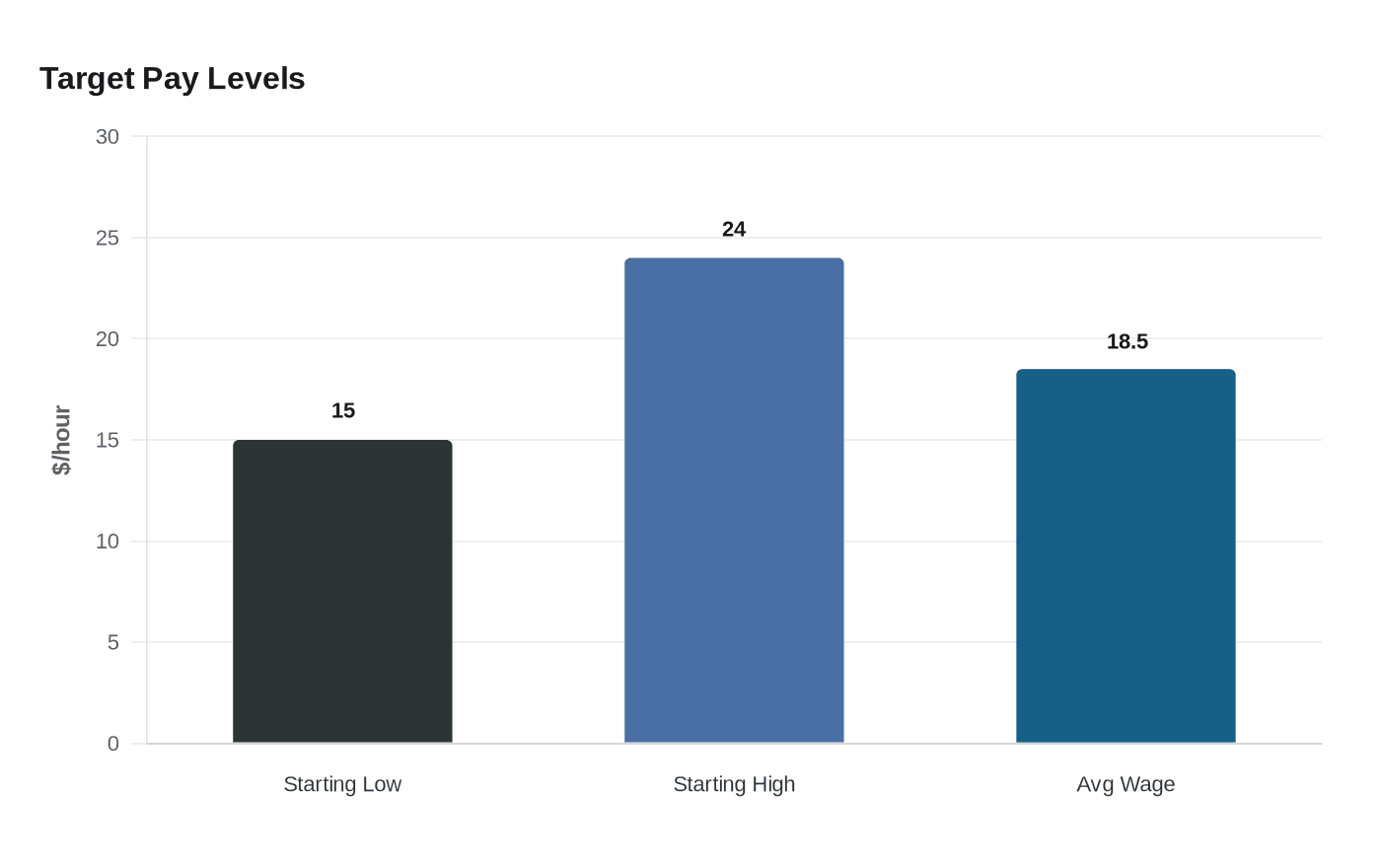
That matters inside a retailer already leaning on pay and benefits to keep frontline staff stable. Target says most of its pay and benefits are available on day one. It says starting pay ranges from $15 to $24 an hour, depending on role and location, and that the average wage for frontline team members is above $18.50. The company also says eligible workers receive a 10% discount, with additional discounts on select categories. In a labor market like this, those kinds of basics can help Target keep workers from looking elsewhere, especially when outside options exist but are not booming.
The backdrop is still more complicated at corporate. In October 2025, Target cut about 1,800 corporate jobs, roughly 8% of its corporate workforce, including about 1,000 layoffs and about 800 roles that were not filled. Then in March, chief executive Michael Fiddelke said Target would spend more than $2 billion in 2026, including about $1 billion for new stores and remodels and another $1 billion for guest-experience improvements. He also projected 2026 net sales growth of 2%. For store and supply chain leaders, that combination points to a company trying to protect frontline execution while staying disciplined on hiring. In a stable but cautious economy, that usually means retention gets attention first, and new openings move more slowly.
This article was produced by Prism’s automated news system from verified source data, official records, and press releases, then run through automated quality and moderation checks before publishing. The system is built and supervised by the people who set the standards it runs under. Read our full AI policy.
Did this article answer your question?