Target compensation trends come into focus as BLS wage index turns 50
Target workers can benchmark pay against a 50-year wage index, and the latest BLS data show benefits rose 3.6% over the year, slightly faster than wages.
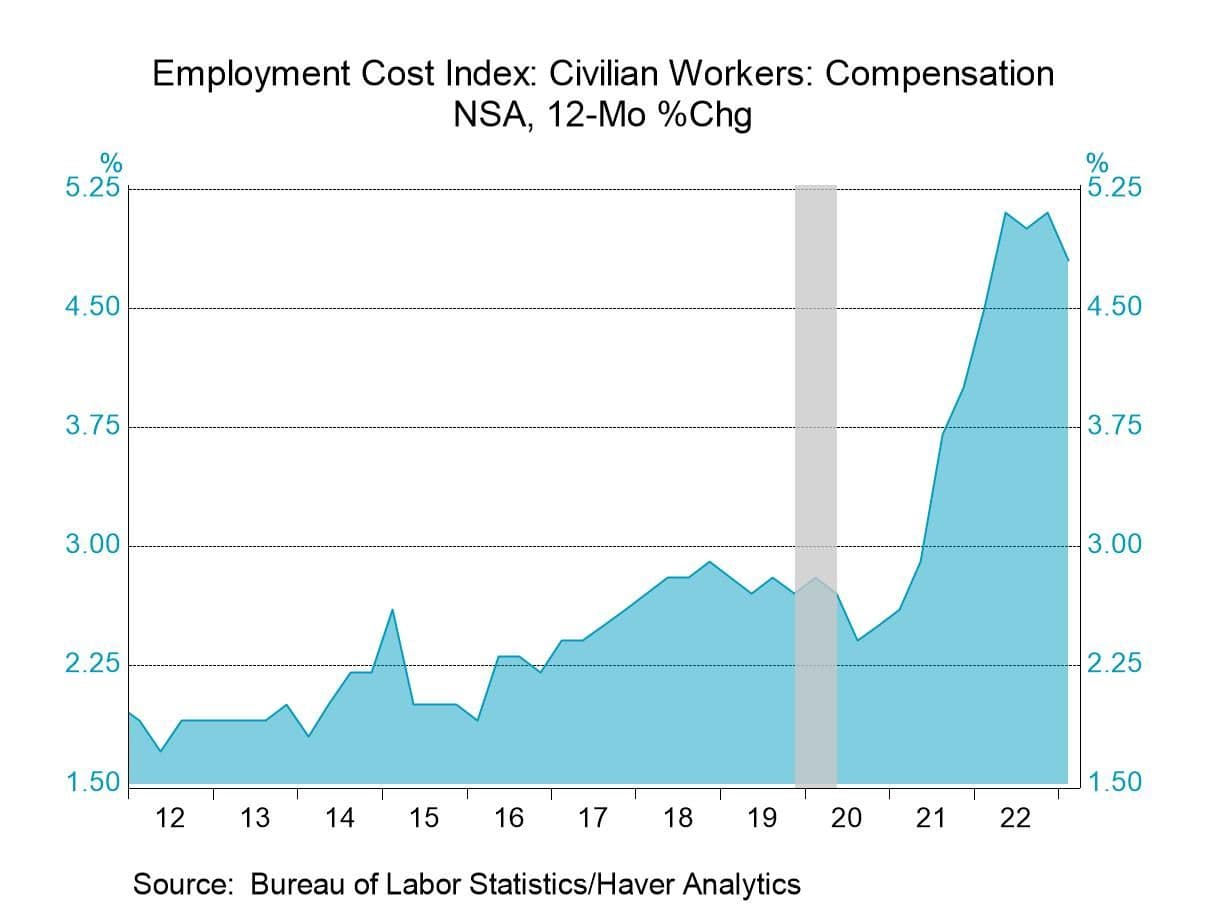
For Target team members, the clearest lesson from the Bureau of Labor Statistics’ 50-year-old wage index is that compensation is bigger than the hourly rate on a job posting. In the first quarter of 2026, private-industry total compensation rose 3.4 percent from a year earlier, but benefit costs rose 3.6 percent, a reminder that health coverage, retirement matching and education help determine whether a job actually pays enough to stay in.
That is exactly why the Employment Cost Index still matters after five decades. The BLS said the index’s first news release came out on June 18, 1976, covering wage and salary changes from September 1975 to March 1976. It was built to measure labor costs without being distorted by changes in the mix of jobs, industries or regions, using a fixed basket of labor to track pure cost change. For retail, where store teams, supply chain workers and corporate staff may all face different local labor markets, that design makes the index a useful check on whether pay and benefits are really keeping pace.

Target’s own pay-and-benefits package shows why workers look beyond wages alone. The company says U.S. hourly team members in stores and supply chain facilities start between $15 and $24 an hour, and that the average hourly wage of frontline team members is $18.50. Eligible team members can get medical, vision and dental coverage, no-cost 24/7 virtual care and a 401(k) match dollar-for-dollar up to 5 percent of eligible earnings, with immediate vesting. Target also says Dream to Be provides about 500 tuition-free or partially funded programs across more than 40 schools, colleges and universities.
The company has framed those offerings as part of a longer compensation strategy, not a one-time perk. In its 2025 annual report, Target said it would continue to invest in pay, benefits and training, and said it conducts pay audits to confirm it is paying team members fairly. A March 3, 2026 strategy update said the company plans to increase payroll and training while raising 2026 capital and operating investment plans to about $5 billion total.
The 50-year mark also lands alongside another long-running Target benefit: the team member discount, which the company said celebrated its 50th anniversary in 2025. The BLS has scheduled the next Employment Cost Index release for July 31, 2026 at 8:30 a.m. Eastern Time, and the bigger message for Target workers is already clear: the real value of a job offer lives in the full package, not just the wage rate.
This article was produced by Prism’s automated news system from verified source data, official records, and press releases, then run through automated quality and moderation checks before publishing. The system is built and supervised by the people who set the standards it runs under. Read our full AI policy.
Know something we missed? Have a correction or additional information?
Submit a Tip