Target cracks down on Pokémon resellers with new store check-ins
Target is opening Pokémon boxes and adding phone check-ins to keep resellers out, putting store teams on the front line of release-day conflict.
Opening Pokémon Elite Trainer Box seals and adding phone-based check-ins has turned a card drop into a new kind of floor-level enforcement job at Target. The move is meant to keep product in the hands of regular shoppers, but it also puts team members in the middle of collector complaints, purchase disputes and fairness calls every time a hot release hits the sales floor.
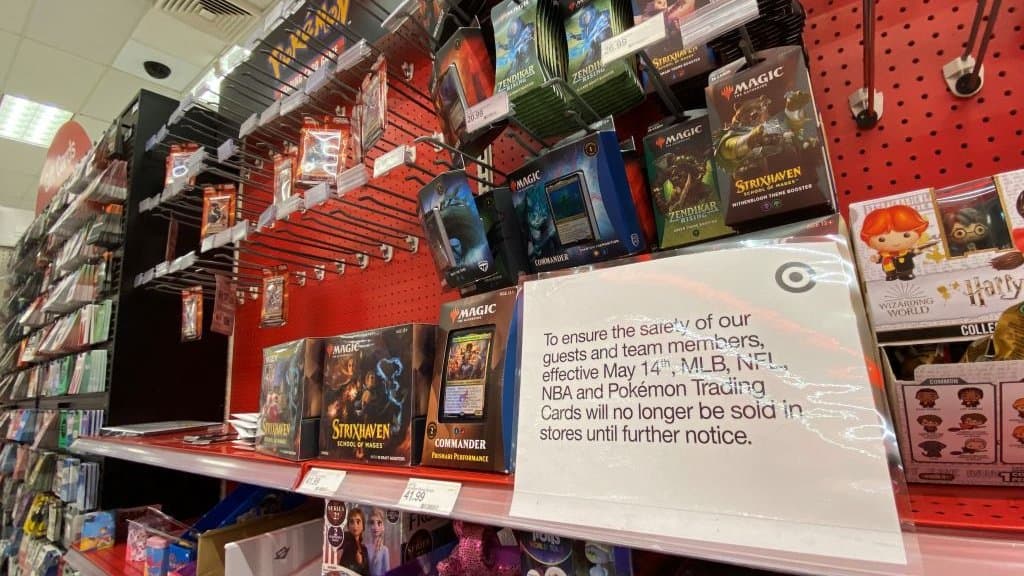
The crackdown is the latest step in a problem Target has already faced before. On May 14, 2021, the company temporarily suspended in-store sales of MLB, NFL, NBA and Pokémon trading cards after a violent dispute at a Wisconsin store. Target said in June 2021 it would resume trading-card sales with purchase limits, a sign that the retailer was trying to control both safety risks and the resale frenzy without pulling the category entirely.
That tension returned in a bigger way with Target’s Pokémon 30th-anniversary collection. Target announced the line on April 15, 2026, with more than 100 items spread across two drops. The first launch hit stores on May 2 and online on May 3, and reports said the collection sold out quickly as items showed up on resale sites at marked-up prices.
Some stores have now gone a step further by posting notices that reserve the right to prohibit purchases by resellers. The signage specifically cites behaviors such as pack searching and weighing, telling shoppers that Target considers those practices grounds to block a sale. In other words, the company is asking store teams to identify not just how many boxes someone wants, but how that person is behaving at the display.
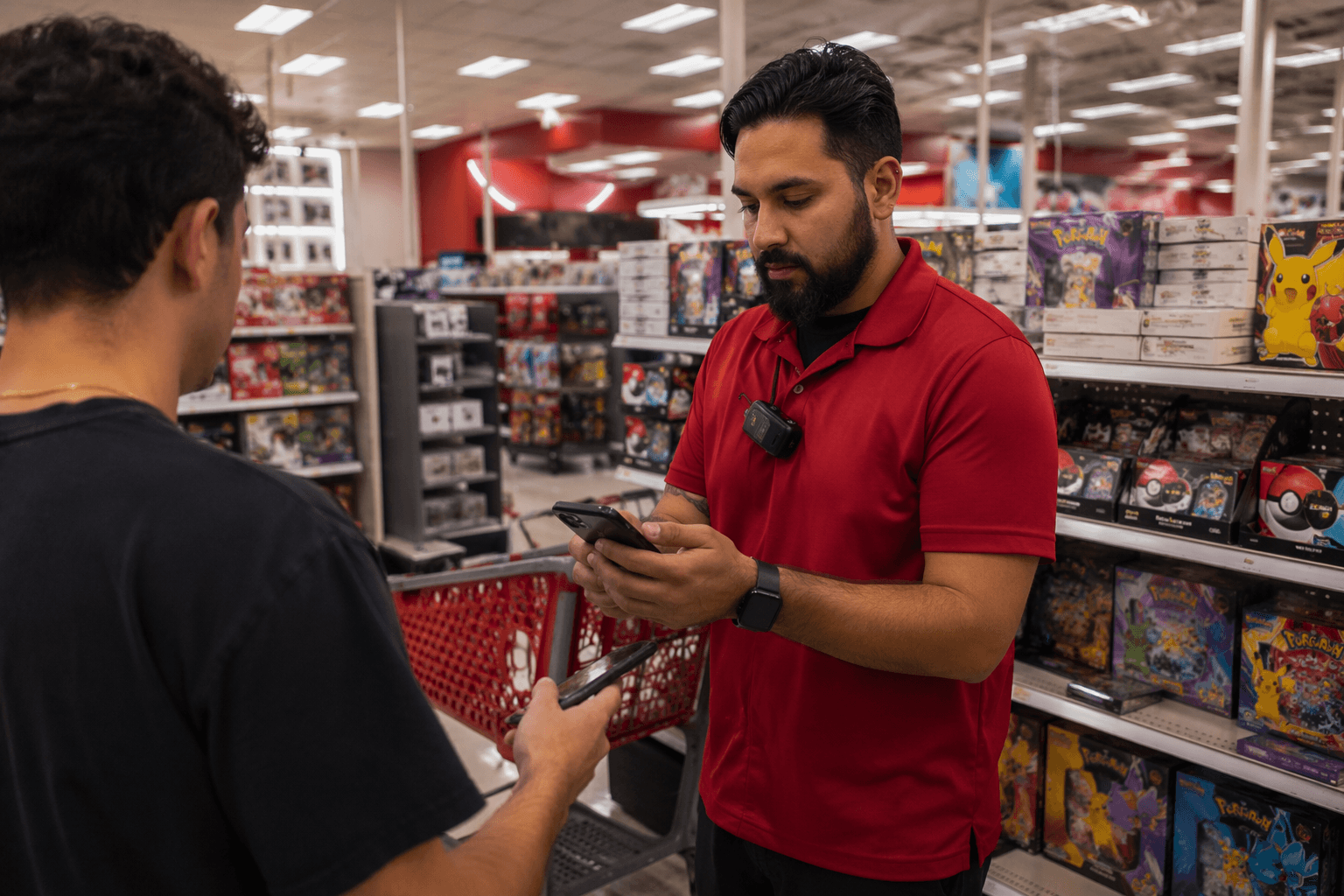
That is where the policy becomes a workplace issue, not just a trading-card issue. For store teams, a phone check-in list or a sliced-open seal changes the release-day script. Instead of simply stocking product and moving to the next guest, team members have to explain why one shopper gets a limit, why another gets turned away and why a sealed box may already be opened before it reaches the shelf.
Target’s broader anti-scalping push has been aimed at making product available to regular shoppers rather than resellers. But the same measures that try to cool the market can also shift the conflict onto employees, who are left to manage the line between access, enforcement and the brand’s own promise that a big release should feel fair.
This article was produced by Prism’s automated news system from verified source data, official records, and press releases, then run through automated quality and moderation checks before publishing. The system is built and supervised by the people who set the standards it runs under. Read our full AI policy.
Know something we missed? Have a correction or additional information?
Submit a Tip