Target cuts prices up to 20% to lure shoppers from Walmart, Costco
Target's spring price cuts could send more shoppers through stores, but they may also add repricing, stocking, and checkout pressure on already stretched teams.
Target’s new price push is aimed at shoppers, but the first effects will be felt on the sales floor, at the register and in the back room. The company lowered prices on more than 3,000 items on March 11, cutting most of them by 5% to 20% across apparel, home goods, baby essentials and select food and beverages as it tries to pull traffic back from Walmart and Costco.
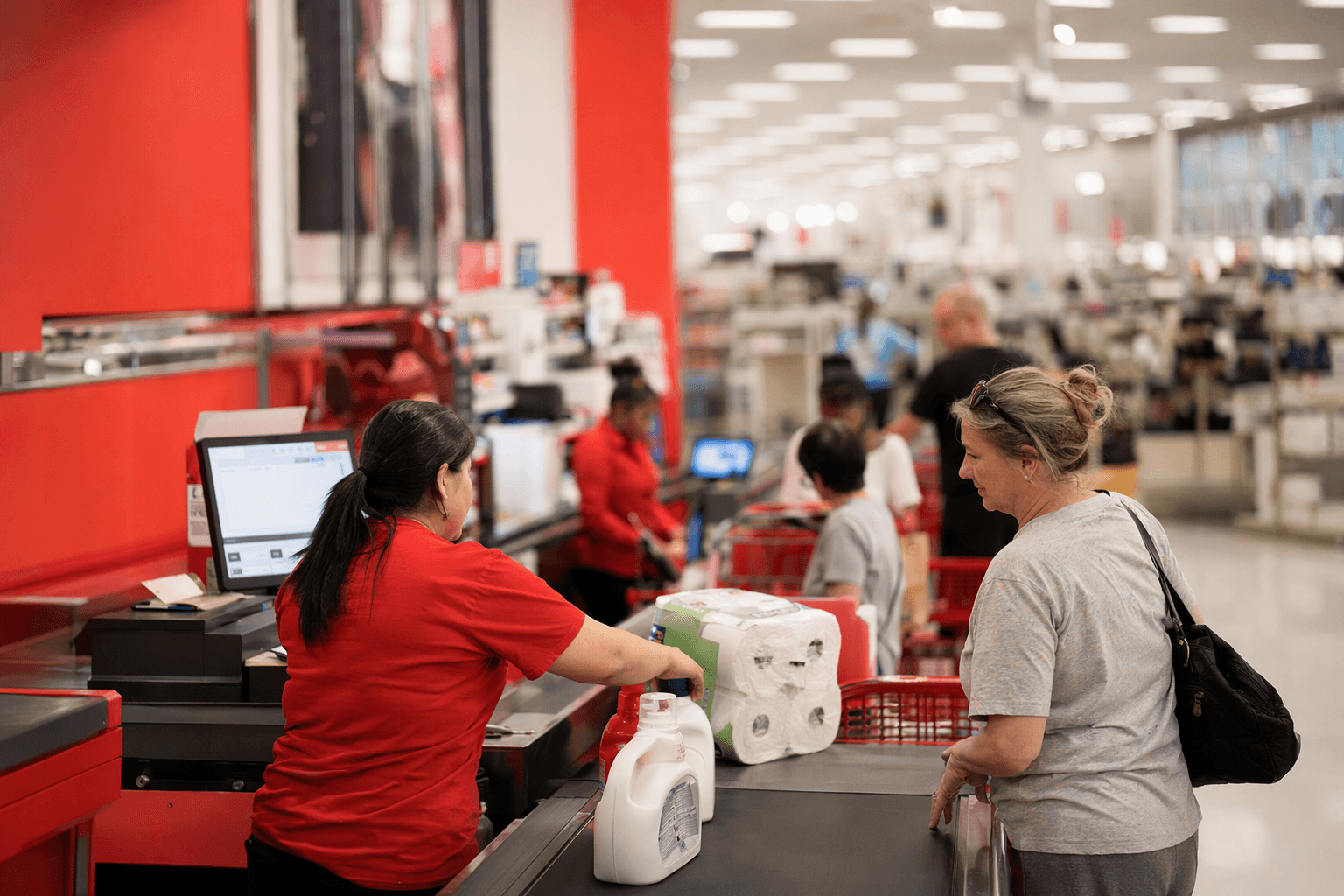
For Target team members, that kind of move usually means more than a cleaner price tag on a shelf. If the lower prices work, stores could see heavier traffic, faster sell-through on promoted items and more pressure to keep endcaps, pallets and high-velocity aisles full. Cashiers would face more checkout volume, fulfillment teams could see more pickup and ship-from-store demand, and floor workers would have to stay ahead of out-of-stocks as the cheaper items move faster than expected.
The cuts landed just days after Target’s March 3 investor meeting, where new chief executive Michael Fiddelke laid out a multi-year growth plan and said the company would invest an incremental $2 billion in 2026. That spending includes more than $1 billion in additional capital expenditures and $1 billion in operating investments, with money earmarked for store refreshes, training, payroll, assortment and technology, including AI. The message to workers is clear: Target wants lower prices on the shelf, but it also expects stores to do more with sharper execution.
The risk is that price cuts can create more work without guaranteeing a lasting sales lift. Reuters reported that Target has cut prices several times between 2017 and 2024 while competing with Walmart, Aldi and Amazon. After Target reduced prices on 5,000 items in 2024, same-store sales improved briefly before weakening again. That pattern matters for stores, because a short-term traffic bump can quickly turn into more workload if inventory, staffing and ordering do not keep pace.
Target is coming off a difficult stretch. CNBC reported that comparable sales fell 2.5% in the holiday quarter and customer traffic declined for four straight quarters. Reuters said the company has suffered three years of sales declines. Against that backdrop, Target has said it expects 2026 net sales growth of 2%, its first annual increase in four years, and plans to open more than 30 new stores. For workers inside existing stores, the question is whether lower prices bring steadier traffic and simpler selling, or just more pressure on already busy teams to keep shelves full and lines moving.
This article was produced by Prism’s automated news system from verified source data, official records, and press releases, then run through automated quality and moderation checks before publishing. The system is built and supervised by the people who set the standards it runs under. Read our full AI policy.
Did this article answer your question?