Target Employees Face Rising Health Care Costs in 2026, Surveys Show
Employer surveys including Mercer data show Target workers are among millions facing steeper health care costs in 2026 as large-company premiums climb.
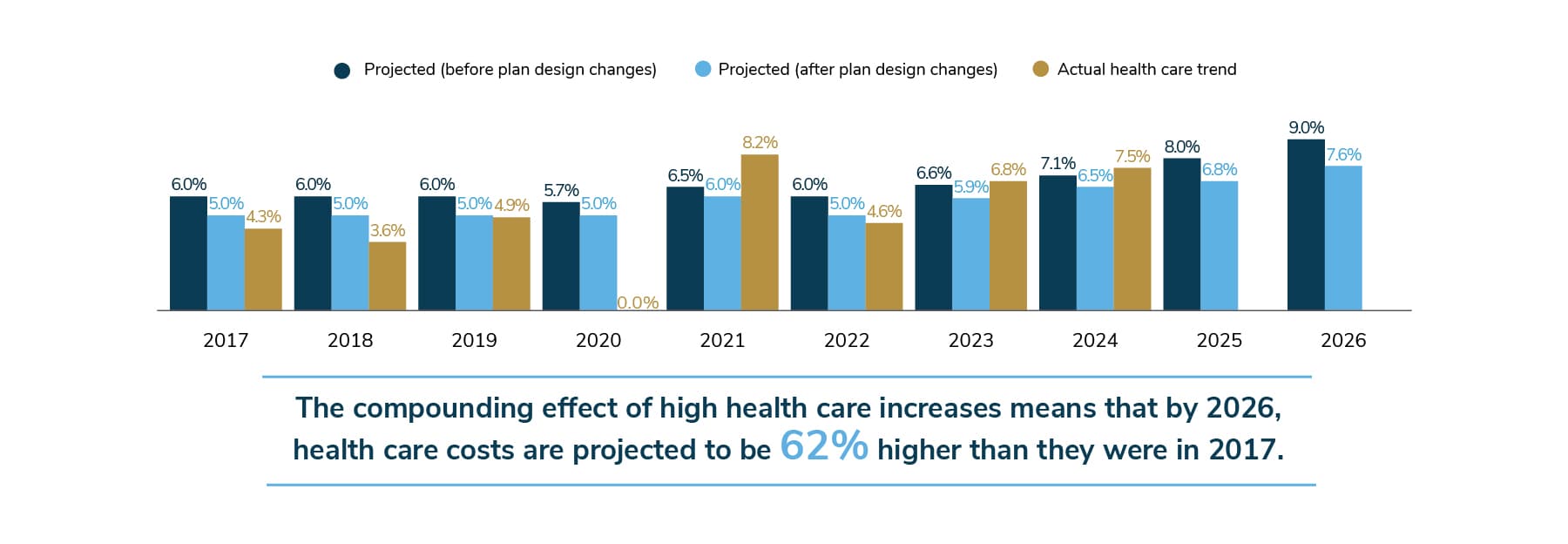
Health care costs for employees at large employers like Target are rising in 2026, according to employer survey data synthesized by The Retirement Group, an industry-focused benefits analysis firm that tracks compensation and retirement trends for workers at major corporations.
The analysis draws on recent data from Mercer, one of the most closely watched sources for employer health benefit benchmarking, alongside state premium filings and similar industry surveys. Together, the sources paint a consistent picture: large employers are passing a greater share of rising medical costs onto their workforces, and Target employees are not insulated from that trend.
For a retailer of Target's scale, even modest percentage increases in employee premium contributions translate into meaningful dollar amounts out of workers' paychecks. Target employs roughly 400,000 people across its store network and corporate operations, meaning benefit structure changes reach a broad workforce that spans part-time hourly associates and full-time salaried staff alike.
The Mercer data, which surveys hundreds of large U.S. employers annually, has consistently shown health care cost growth outpacing general inflation. That gap tends to widen in years when medical utilization rebounds or pharmaceutical costs accelerate, both of which have been factors in the current benefit cycle.

What makes 2026 notable is the convergence of several pressures at once. Employers negotiating new carrier contracts have faced higher base rates, while workers who deferred care during prior years have returned to using their benefits at elevated rates. State premium filings reviewed as part of the analysis reflect those underlying cost drivers at the insurance market level.
The practical question for Target workers is where those costs land. Large employers typically absorb some increases to remain competitive in a tight retail labor market, but survey data suggests the industry-wide trend in 2026 leans toward higher deductibles, increased out-of-pocket maximums, or premium contributions rising faster than wages rather than employers absorbing costs outright.
Target has not publicly detailed its 2026 benefit changes beyond standard annual enrollment communications. The company's benefit decisions will ultimately determine how much of the broader market trend its employees experience directly.
Know something we missed? Have a correction or additional information?
Submit a Tip