Target expands next-day delivery to 60% of U.S. households
Target is pushing next-day delivery to 60% of U.S. households, and that means more online picking work, tighter cutoff windows and sharper inventory control for store teams.
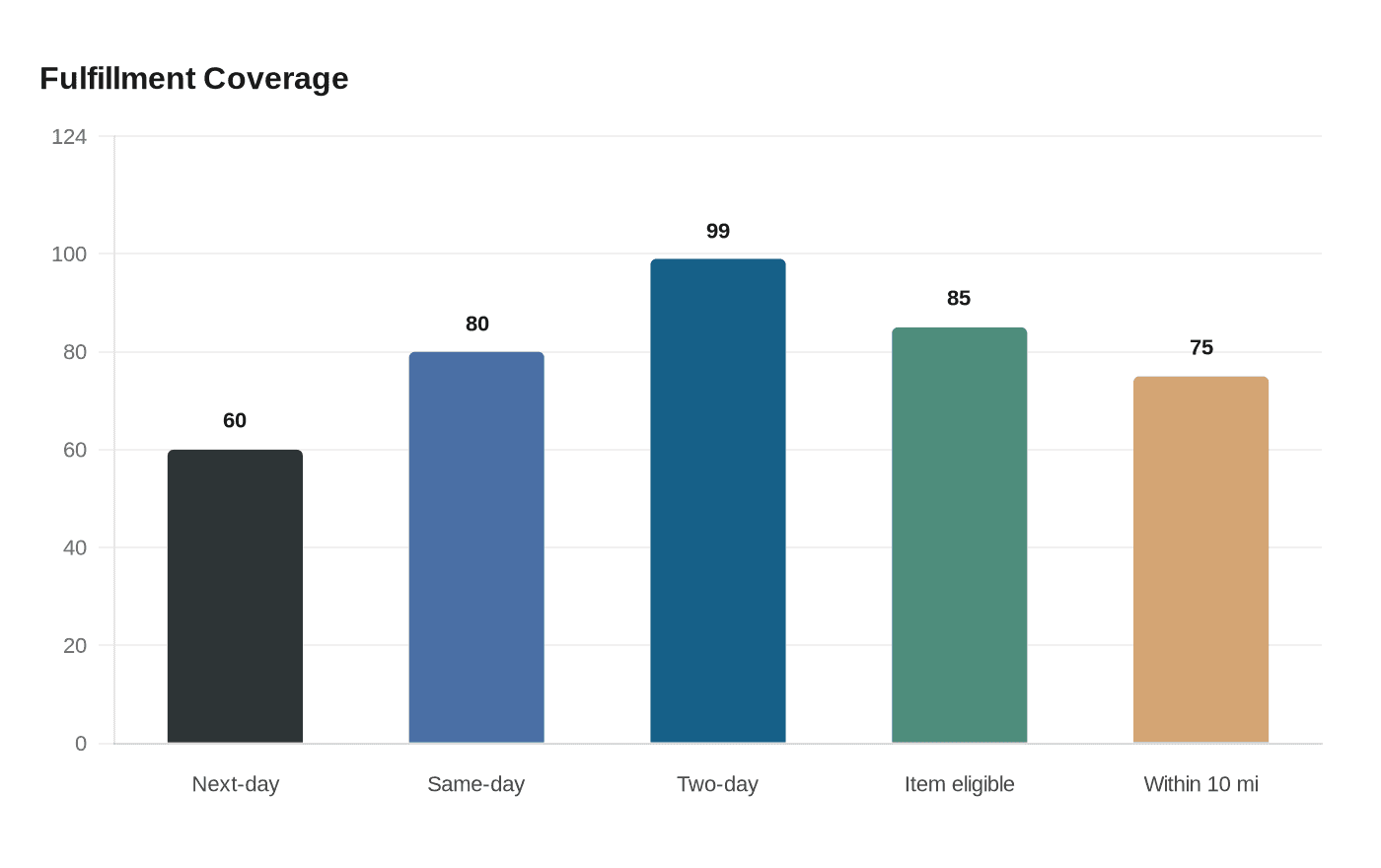
Target is widening next-day delivery to 60% of U.S. households this spring, a move that will put more of the chain’s stores into the company’s online fulfillment engine and raise the stakes for the people picking, staging and handing off orders. The service will be available in more than 50 top U.S. metro areas, and Target says about 85% of what it sells in stores will qualify.
For store and fulfillment teams, the shift is less about a shiny new customer promise than about volume and timing. More next-day coverage means more items pulled off shelves, more orders hitting cutoff windows, and more pressure on inventory accuracy when a banana box is not just a banana box but the difference between a completed shipment and a missed promise. Target already says same-day delivery reaches 80% of the U.S. population, while two-day shipping reaches 99%, so next-day is becoming another layer in a business that now depends heavily on stores doing work once reserved for warehouses.
The company has made that clear in its broader turnaround plan under new chief executive Michael Fiddelke. On March 3, Target said it would add an incremental $2 billion in 2026 investment, including more than $1 billion in capital spending and $1 billion in operating investment, bringing total capital investment plans to about $5 billion. The strategy includes store refreshes, updated floor plans and displays, more payroll and training, stronger assortments and more technology and AI, all meant to restart growth after a difficult stretch.
The fulfillment strategy is being built around Target’s store footprint. Chief financial officer Jim Lee has said Target has about 2,000 stores and roughly 75% of the U.S. population lives within 10 miles of one. The company has also concentrated online fulfillment volume in certain stores, including a Chicago pilot that it said allowed next-day delivery on five times more local shipping demand.
Target has already been leaning on fast fulfillment for a big share of its digital business. Same-day services generated more than $14 billion last year and accounted for about two-thirds of digital sales, while much of the rest came from markets where next-day fulfillment was available. Target is also leaning harder on Shipt: by the end of 2026, more than 100 stores in 50 markets are expected to offer direct-from-store next-day delivery, up from six stores in two markets a year earlier.
Shipt chief executive Kamau Witherspoon has said the direct-from-store model lowers Target’s cost to serve by about $2.50 per package compared with national parcel carriers. Gretchen McCarthy, Target’s supply-chain chief, has described the shift as a more market-based model that uses stores more precisely. For workers, the answer to whether that means more hours or just higher expectations will depend on whether Target matches the added demand with enough labor to keep pace.
This article was produced by Prism’s automated news system from verified source data, official records, and press releases, then run through automated quality and moderation checks before publishing. The system is built and supervised by the people who set the standards it runs under. Read our full AI policy.
Did this article answer your question?