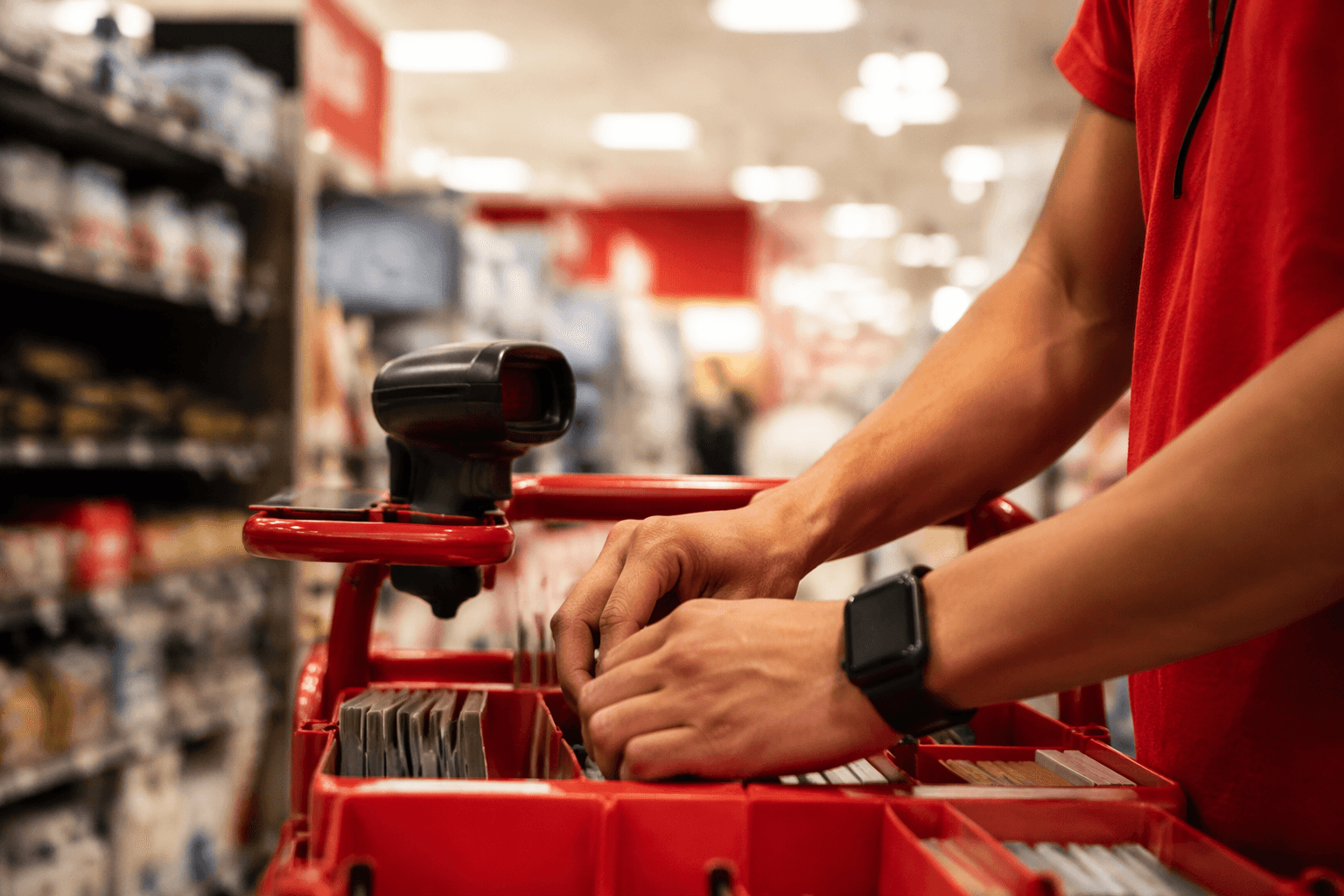
Target highlights supply chain careers built on safety, teamwork, speed
Target’s supply chain jobs connect warehouse safety to store shelves, guest deliveries, and a clear path from hourly work to leadership.

Target’s supply chain work sits at the point where store availability, guest deliveries, and warehouse discipline meet. The company frames those jobs as moving products so they reach store shelves and guests’ doorsteps on time, and it describes hourly roles as fast-paced, safety-first work inside its supply chain centers. That makes the career path less about moving boxes than about keeping a national retail system steady when demand spikes, inventory shifts, and every delay shows up on a store team’s floor.
Why supply chain matters to the store experience
Target’s own numbers show how tightly the warehouse and the sales floor are linked. In its 2025 annual report, the company said stores fulfilled more than 97 percent of total merchandise sales in each of the last three years, which means store operations are functioning as fulfillment hubs as much as selling spaces. An earlier 2025 SEC filing put that figure at more than 96 percent for the prior three years, reinforcing the same point from another filing.
That matters for team members because the work behind the scenes can shape what guests see in the aisle and what leaders have to explain when product is late or demand surges. Target says it continues to leverage stores as fulfillment hubs while using technology and data to improve execution and support scalable growth. In practice, that means supply chain decisions ripple into replenishment, pickup orders, and the pressure store teams feel when a category is either overstocked or thin.
What hourly supply chain roles ask for
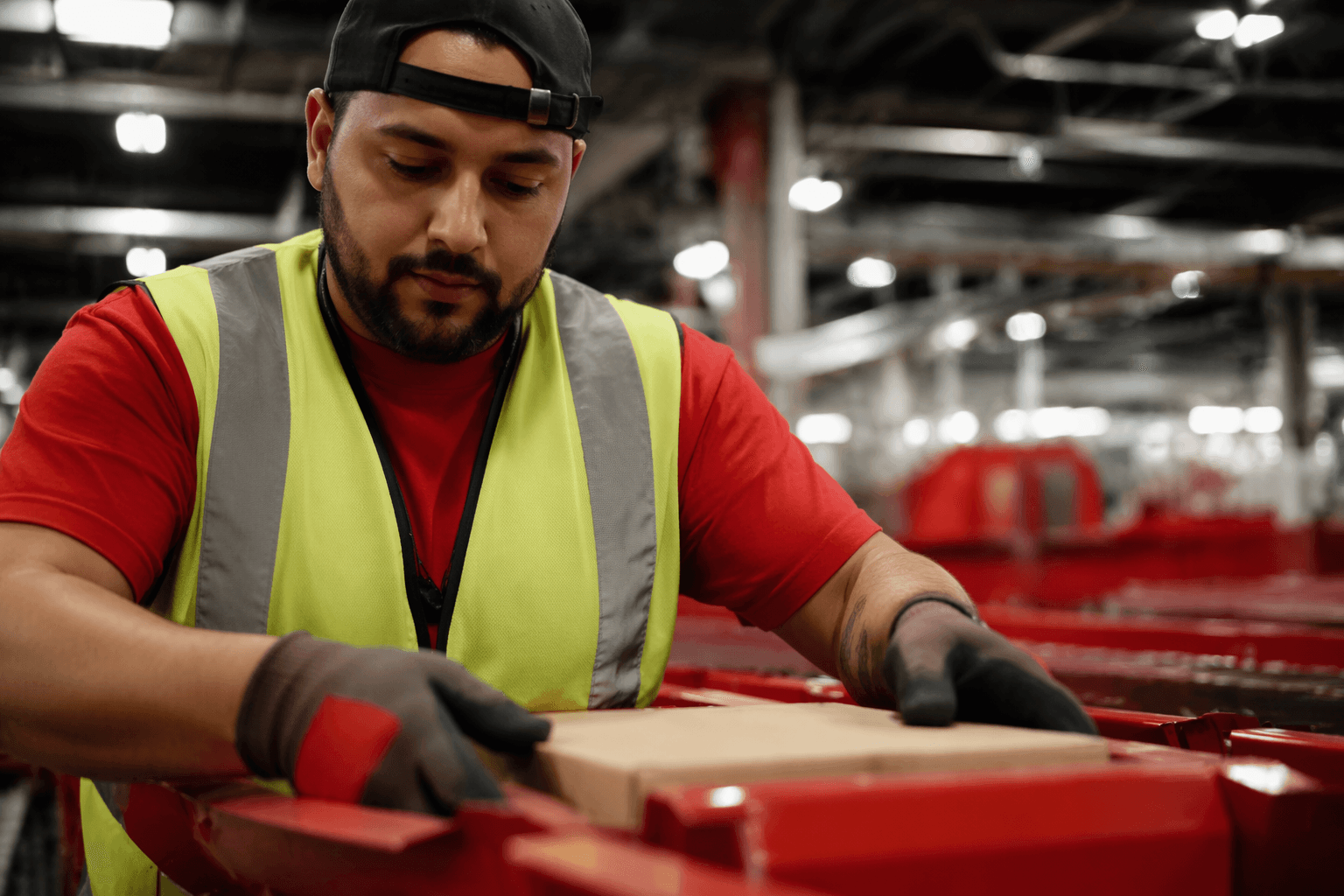
Target describes hourly supply chain jobs as fast-paced and safety-first, which gives a clearer picture than the usual generic warehouse language. The emphasis is on moving products across the company’s global network so they reach stores and guests’ doorsteps on time. That combination of speed and caution matters because the work is physical, repetitive, and measured against deadlines that can change quickly.
The company’s framing also suggests that hourly work is not isolated labor. It is part of a coordinated system that depends on process discipline, communication, and consistency across multiple sites. For workers, that means the real test is not just how fast a shift moves, but how reliably the team can keep product moving without sacrificing safety or accuracy.
How leadership roles change the job
Target’s supply chain leadership track is built around guiding team members while prioritizing safety, teamwork, and efficiency. That is a different skill set from pure hands-on warehouse work, because it requires coaching, oversight, and operational judgment at the same time. Leaders are expected to keep the workflow moving while also watching for breakdowns in safety, coordination, or execution.
The leadership path matters because it shows supply chain is not a dead-end entry role. It is a management track for people who want to lead people and systems, not just process units through a building. In a retail environment as large as Target’s, those leaders can have a direct effect on whether stores get the product they need and whether delivery promises stay realistic.
How Target’s career map opens internal mobility
Target’s career map lets candidates search openings across stores, supply chain facilities, and corporate offices, which creates a broader mobility path than a single job family would. That structure matters for workers who want to move from a warehouse floor into other parts of the company without leaving the Target ecosystem. It also signals that supply chain experience can be a base for broader operational work rather than a narrow silo.
The clearest internal ladder runs from hourly facility work into leadership roles, with the possibility of moving across parts of the network as openings appear. Someone who starts in a supply chain center can build credibility around reliability, safety, and execution, then use that experience to step into a people-management role. From there, the career path can widen further because the company’s own job map includes store roles and corporate positions alongside supply chain work.
Why sortation centers changed the pace
Target’s sortation centers are one of the most concrete examples of how the company is changing its delivery network. The company says these centers presort and arrange packages for pickup and reduce processing time for delivery partners. That makes them a key part of the last-mile system, where speed and handoff quality can affect whether a package arrives the same day, the next day, or later than expected.
Target said it had 10 sortation centers open in 2023, located in Minnesota, Texas, Colorado, Illinois, Georgia, Florida, and Pennsylvania. The company also said it expected the sortation network to expand to more than 15 facilities by the end of 2026. Reporting tied to that network said Target expected to handle 50 million packages through sortation centers in 2023, about twice the 2022 volume, and that next-day delivery orders were up 150 percent since the first sortation center opened in 2020.
What the investment plan says about the career path
Target’s 2025 annual report said the company planned more than $2 billion in incremental investments across the business. That plan included more than a $1 billion increase in capital expenditures and another $1 billion in operating investments. For workers, that signals that supply chain is not being treated as a side function; it is part of the company’s growth engine.
Those investments matter because they help explain why supply chain roles at Target continue to sit at the center of operations, store performance, and delivery speed. The company is betting on a network that depends on safety-first hourly labor, steady leadership, and facilities that can support both stores and guests’ homes. For team members watching where the next opportunity comes from, supply chain remains one of Target’s clearest paths from front-line execution into larger operational responsibility.
This article was produced by Prism’s automated news system from verified source data, official records, and press releases, then run through automated quality and moderation checks before publishing. The system is built and supervised by the people who set the standards it runs under. Read our full AI policy.
Did this article answer your question?