Target outlines 2026 overhaul of stores, tech, payroll, and pricing
Target’s stores now power more than 97% of merchandise sales, so 2026 means more fulfillment, pricing, and display work inside the building.

The biggest takeaway
Target’s stores are not being sidelined by digital. They are the digital engine. The company says stores fulfilled more than 97% of total merchandise sales in each of the last three years, and that one number explains why 2026 looks less like a tech-only upgrade and more like a heavier operating year on the floor.

For team members, the annual report and strategy update are a practical map of where the pressure is going: sharper pricing, tighter in-stocks, faster fulfillment, more floor changes, more training, and higher expectations that every shift makes the store feel easier to shop and more inspiring to visit.
What Target says it is changing
Target’s strategy now sits on four priorities: lead with merchandising authority, elevate the guest experience, accelerate technology, and strengthen the team and communities. In its 2026 strategy update, the company said that work will include transforming in-store floor plans and displays, increasing payroll and training, strengthening and evolving key categories, and accelerating technology, including AI, to make shopping easier and more personalized.
That is not just investor language. It is a workload signal. More merchandising authority means more attention on what is on the shelves, how it is grouped, and whether the presentation matches the brand. More payroll and training means leadership knows the work is getting more complicated, and it expects teams to execute change without letting service slip.
Why the store is now the fulfillment hub
Target’s own numbers make the case. The 2025 annual report says stores fulfilled more than 97% of total merchandise sales in each of the last three years, up from more than 96% in the 2024 annual report’s version of the same point. That is the clearest window into how the company actually runs: the building where guests shop is also the engine room for pickup, same-day delivery, and digital fulfillment.
If you work in a store, that changes what a strong day looks like. It is no longer only about whether the front end is busy or whether the endcaps look right. It is about whether the store can absorb digital demand, keep shelves accurate, and move merchandise fast enough that convenience does not weaken the in-store experience. In practice, that means more coordination between salesfloor, fulfillment, and leadership teams, and less room for sloppy inventory, delayed replenishment, or unclear ownership of tasks.
The workload behind the promise
The easiest mistake to make is to read Target’s language about better shopping and assume it only means nicer displays. It does mean that, but it also means more discipline. Sharper pricing has to be maintained across the building. Strong in-stocks have to hold up even when fulfillment volume rises. Fast fulfillment only works if the backroom, the floor, and checkout are moving in sync.
That is where the daily task mix starts to shift. Teams are likely to spend more time on price changes, zoning, recover, online order staging, pickup flow, and making sure high-velocity categories are actually available when guests look for them. The company is also making payroll and training part of the plan, which is a signal that leadership understands the work is not just more intense, but more operationally demanding.
Why the spending matters
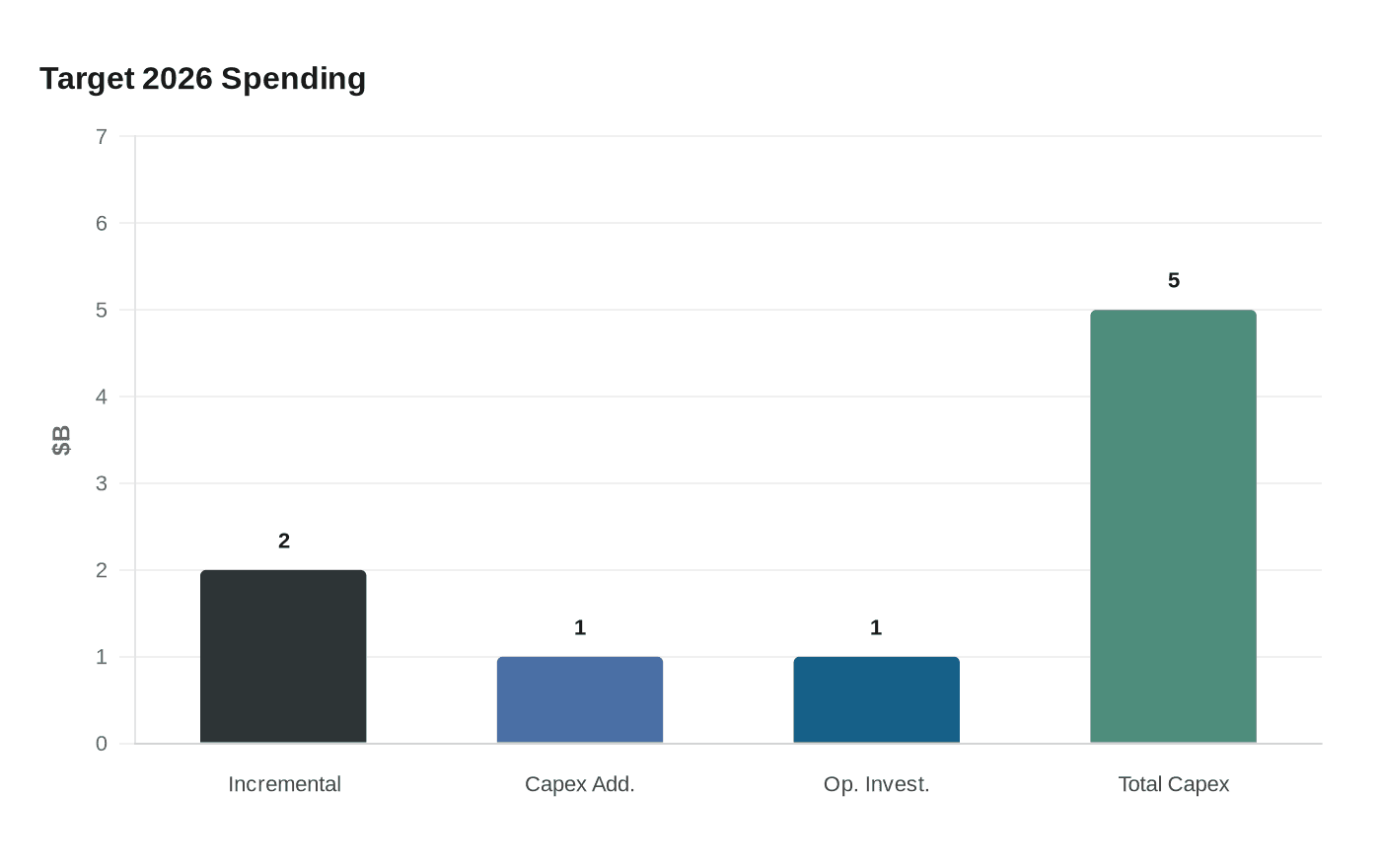
Target says it plans to invest an incremental $2 billion in 2026, including more than $1 billion in additional capital expenditures and $1 billion in additional operating investments. Total capital investment is expected to rise to about $5 billion, supporting new stores, ongoing remodels, technology, and supply chain investments.
That is a meaningful spend even for a company of Target’s size. It suggests the 2026 reset is not supposed to be a thin layer of messaging over the same operating model. It is a bet that remodels, systems, and labor support can change how the store feels and how efficiently it works. For team leads and executive team leads, the practical implication is that change management will likely become a bigger part of the job: new floor plans, new displays, new tools, and more pressure to keep the building stable while it keeps changing.
The numbers behind the urgency
Target’s full-year 2025 results show why management is leaning so hard into execution. Same-day delivery powered by Target Circle 360 grew over 30 percent. Non-merchandise sales grew over 25 percent. Membership revenue more than doubled year over year. Marketplace sales grew over 30 percent. In the last two months of the fourth quarter, sales and traffic trends accelerated, even though full-year comparable sales still fell 0.1 percent.
That mix matters. It shows a business with real momentum in digital-linked services, but not enough broad-based growth to declare victory. The retailer entered fiscal 2026 with 1,981 stores and 19 distribution centers, so the operating base is huge and the execution risk is real. When a company with that footprint says it needs better pricing, better in-stocks, and faster fulfillment, it is signaling that every store is part of the answer.
What Michael Fiddelke’s plan signals
Target has framed the 2026 push as a new chapter of growth under CEO Michael Fiddelke. Reuters described his plan as a bet on store remodels and a better customer shopping experience after three years of sales declines, which is the right lens for reading the annual report. The goal, Target said, is roughly 2 percent net sales growth in 2026.
That goal is modest enough to sound realistic and ambitious enough to keep the pressure on. It tells you the company is not expecting a quick fix from one banner change or one app update. It is asking stores to do a lot of the heavy lifting: protect the brand, move product faster, handle more digital demand, and make the guest experience feel less like a tradeoff between convenience and inspiration.
What to watch on the floor
The clearest signal for team members is that stores are becoming more central, not less. When Target says its stores are destination-worthy environments and fulfillment hubs, that is not corporate fluff. It is a job description for the next phase of the business.
- how well the floor is set and maintained
- how quickly orders move through pickup and same-day channels
- whether pricing is clean and consistent
- how reliably shelves stay full
- whether teams can absorb change without losing pace
Expect more attention on:
That is the real 2026 test. If Target gets this right, the store will feel more organized to guests and more connected to digital demand behind the scenes. If it gets it wrong, the burden will show up first where it always does: on the floor, in the backroom, and in the daily scramble to make a complicated system look simple.
This article was produced by Prism’s automated news system from verified source data, official records, and press releases, then run through automated quality and moderation checks before publishing. The system is built and supervised by the people who set the standards it runs under. Read our full AI policy.
Did this article answer your question?