Target pilots guest-service assessments as turnaround effort continues
Target is testing a way to score guest engagement, turning smile-and-help expectations into a measurable part of store performance. The pilot could shape coaching, scheduling and advancement.
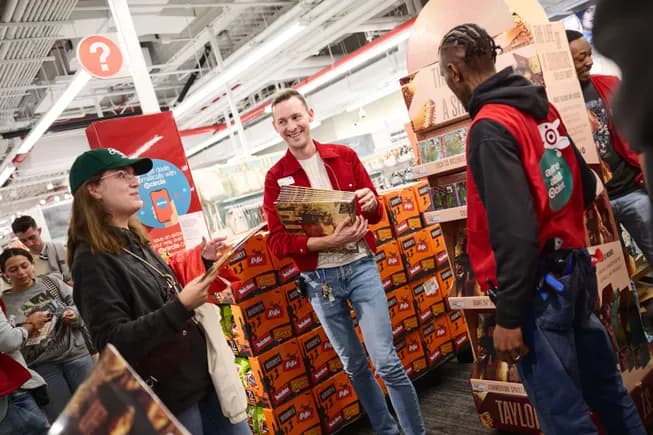
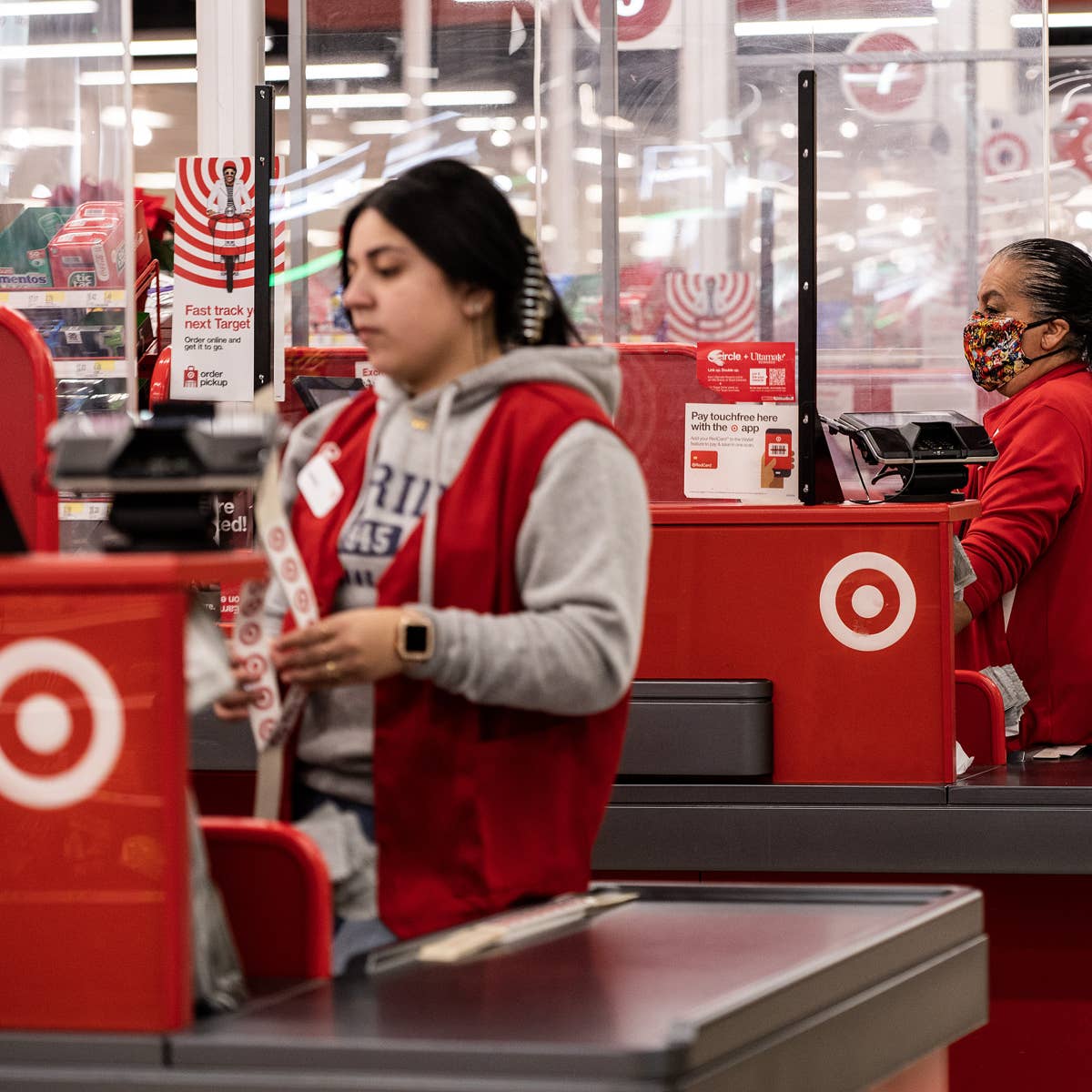
Target is moving customer service from a soft expectation to something leaders can measure, coach and eventually fold into store performance. For team members on the floor, that means the familiar pressure to greet, help and follow through could become a more formal part of how managers judge day-to-day work.
The company has been piloting an assessment of store employees based on how they engage with guests, but it has not set a rollout date for all stores. That pilot follows spring guest-experience training that reached more than 300,000 associates and leaders, with a focus on four factors: interaction, execution, teamwork and reliability. For team leads and executive team leaders, the change points toward a more standardized service model, with coaching likely to get more specific about whether someone greets shoppers, solves problems and completes tasks consistently.
Target’s newer approach builds on its earlier 10-4 guidance, which told employees to smile and make eye contact within 10 feet of a shopper and to consider a conversation or offer help when a customer is within 4 feet. Target later said 10-4 was an internal training program, not a strictly enforced policy. Even so, the idea behind it is now being turned into something closer to a performance signal, which could raise expectations on busy shifts if staffing does not keep up.
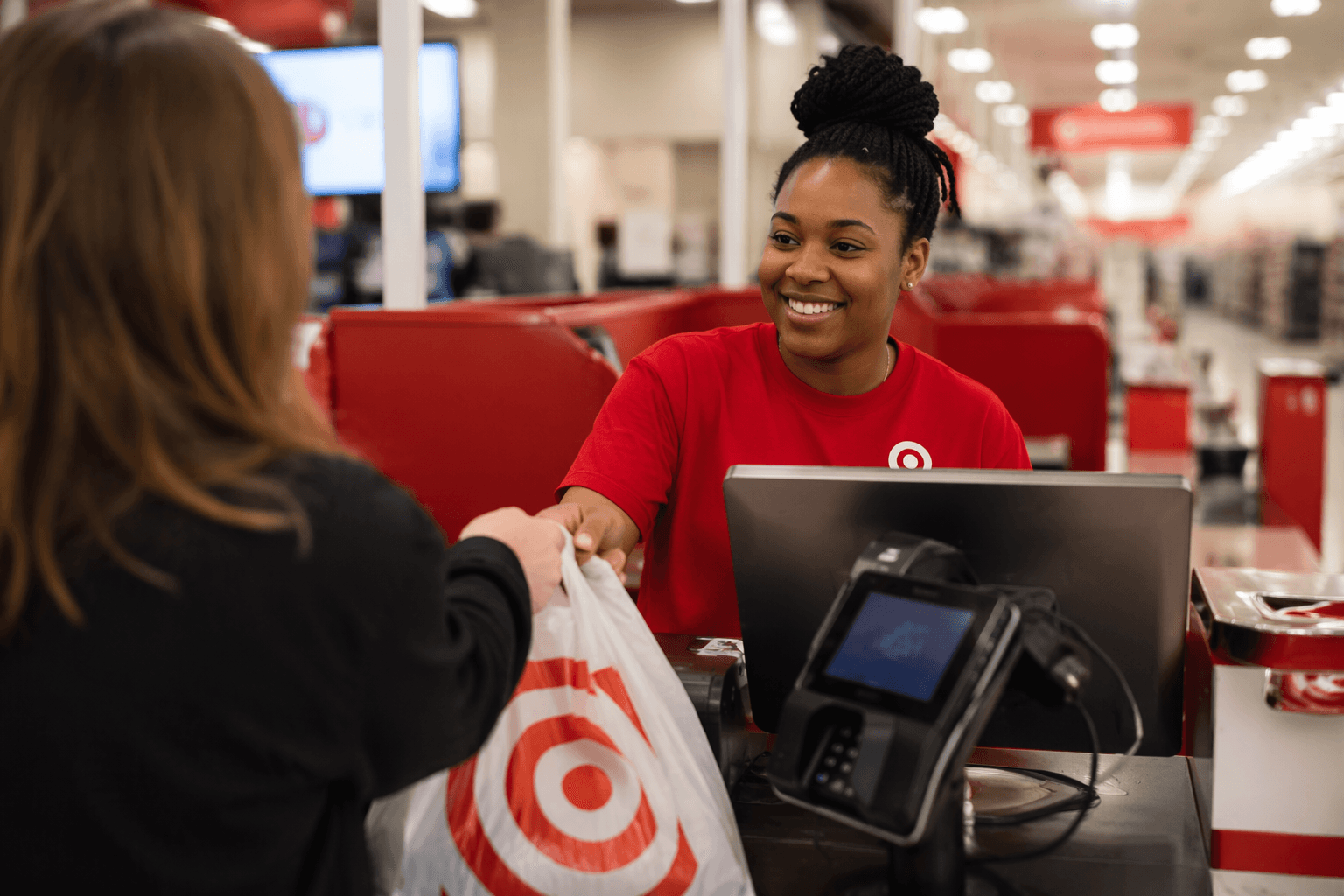
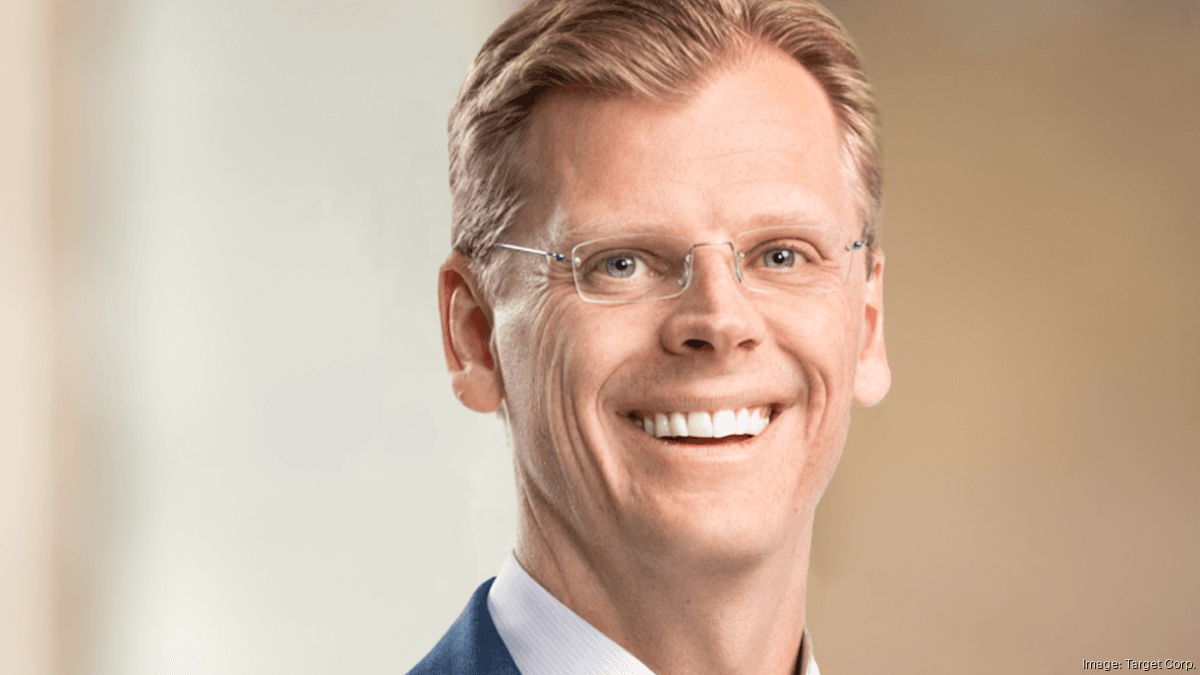
That tension sits at the center of Target’s broader turnaround effort under CEO Michael Fiddelke. On March 3, the company said it would invest an incremental $2 billion in 2026, including $1 billion in additional capital expenditures and $1 billion in additional operating investments. Target also said those plans included hundreds of millions of dollars in extra store payroll and training, along with changes to floor plans, displays and technology meant to make shopping easier and more personalized.
The company is trying to reset after a rough stretch. Target said comparable store sales fell 3.9% in the fourth quarter of 2025, while net sales slipped 1.5% to $30.5 billion. In the first quarter of 2026, comparable sales rose 5.6% and net sales reached $25.4 billion, a sign that some parts of the business have begun to stabilize even as the chain keeps pressing on service and store experience.
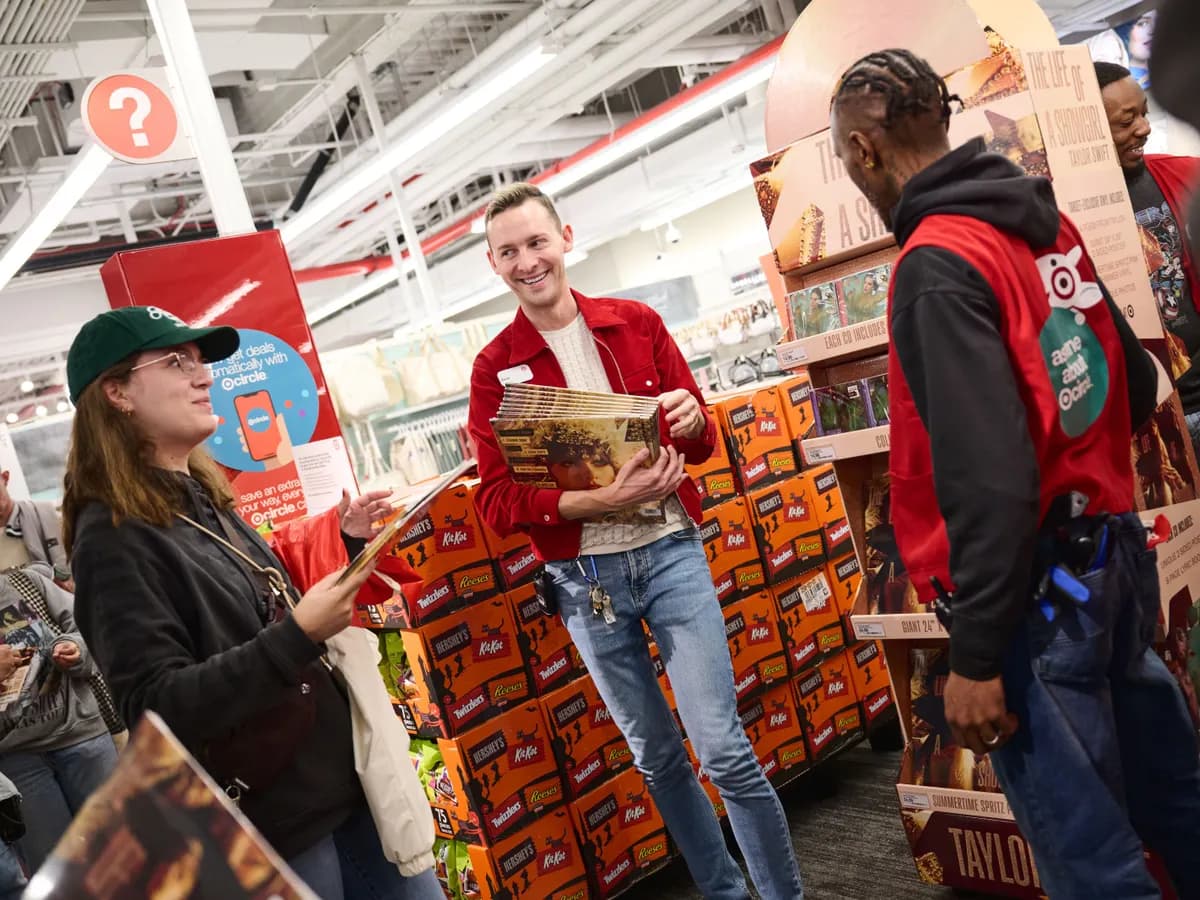
Retail analyst Neil Saunders of GlobalData Retail said the customer-service push is not unreasonable, but it only works if workers get the tools and staffing to succeed. That is the key question for Target’s store teams now: whether a more visible guest-service standard leads to better recognition and clearer coaching, or simply adds another layer of accountability without the hours to support it.
This article was produced by Prism’s automated news system from verified source data, official records, and press releases, then run through automated quality and moderation checks before publishing. The system is built and supervised by the people who set the standards it runs under. Read our full AI policy.
Know something we missed? Have a correction or additional information?
Submit a Tip