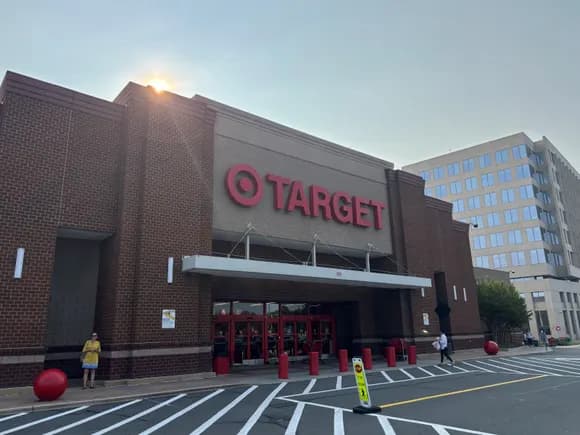
Target shoppers keep spending, but grow more price sensitive
April spending stayed up at $757.1 billion, a sign Target stores may get steadier traffic, but guests are shopping with sharper price discipline.

April’s retail numbers suggest Target’s stores are still getting traffic, but the basket is getting pickier. U.S. retail and food services sales reached $757.1 billion, up 0.5% from March and 4.9% from a year earlier, while the February-through-April stretch was 4.4% ahead of the same period in 2025. The National Retail Federation’s core measure showed the same pattern, with sales up 0.34% month over month and 5.73% year over year. That is not a spending collapse. It is shoppers continuing to buy, just with more discipline.
For Target team members, that matters most on the floor. A household that is still spending but feeling squeezed is more likely to compare prices, delay impulse purchases and ask more questions at checkout. That can support steadier hours if traffic holds up, especially heading into summer, but it does not mean every department will feel the lift evenly. Essentials, seasonal basics and sharply priced items are more likely to move; higher-ticket discretionary categories can still feel uneven if guests are trading down within the basket. In other words, the demand backdrop may be strong enough to keep stores busy without being strong enough to make the whole building feel loose.
Target has already been positioning for that kind of customer. On March 3, the company laid out a growth plan under Michael Fiddelke that added more than $2 billion in 2026 investment, including over $1 billion in capital spending and $1 billion in operating investments. The plan called for changes that hit frontline work directly: new in-store floor plans and displays, more payroll and training, stronger assortments in key categories, and faster technology adoption including AI. Target also said it would cut prices on more than 3,000 items, with most reductions ranging from 5% to 20%, concentrated in apparel, home, baby essentials and some food and beverage items.

That strategy fits the broader backdrop. Target’s fiscal fourth quarter of 2025 still showed pressure, with net sales of $30.5 billion, down 1.5% from the prior year, and comparable sales down 2.5%. Store comparable sales fell 3.9%, while digital comparable sales rose 1.9%. Target said sales and traffic trends accelerated in the last two months of that quarter, a reminder that momentum can build even when the larger consumer mood is gloomy. It remains gloomy: the University of Michigan’s preliminary May consumer sentiment reading fell to 48.2, a record low, and average regular gasoline prices in April hit $4.10 a gallon, up 12.8% from March and 29.4% from April 2025. For Target workers, that mix points to a summer of steadier but tighter demand, where pricing, in-stocks and labor planning will matter just as much as raw traffic.
Know something we missed? Have a correction or additional information?
Submit a Tip