Target teams brace for cautious shoppers as consumer sentiment sinks, inflation worries rise
Consumer mood fell to 49.8, its weakest since 2022, as inflation fears jumped to 4.7% and Target readies more value-driven selling.
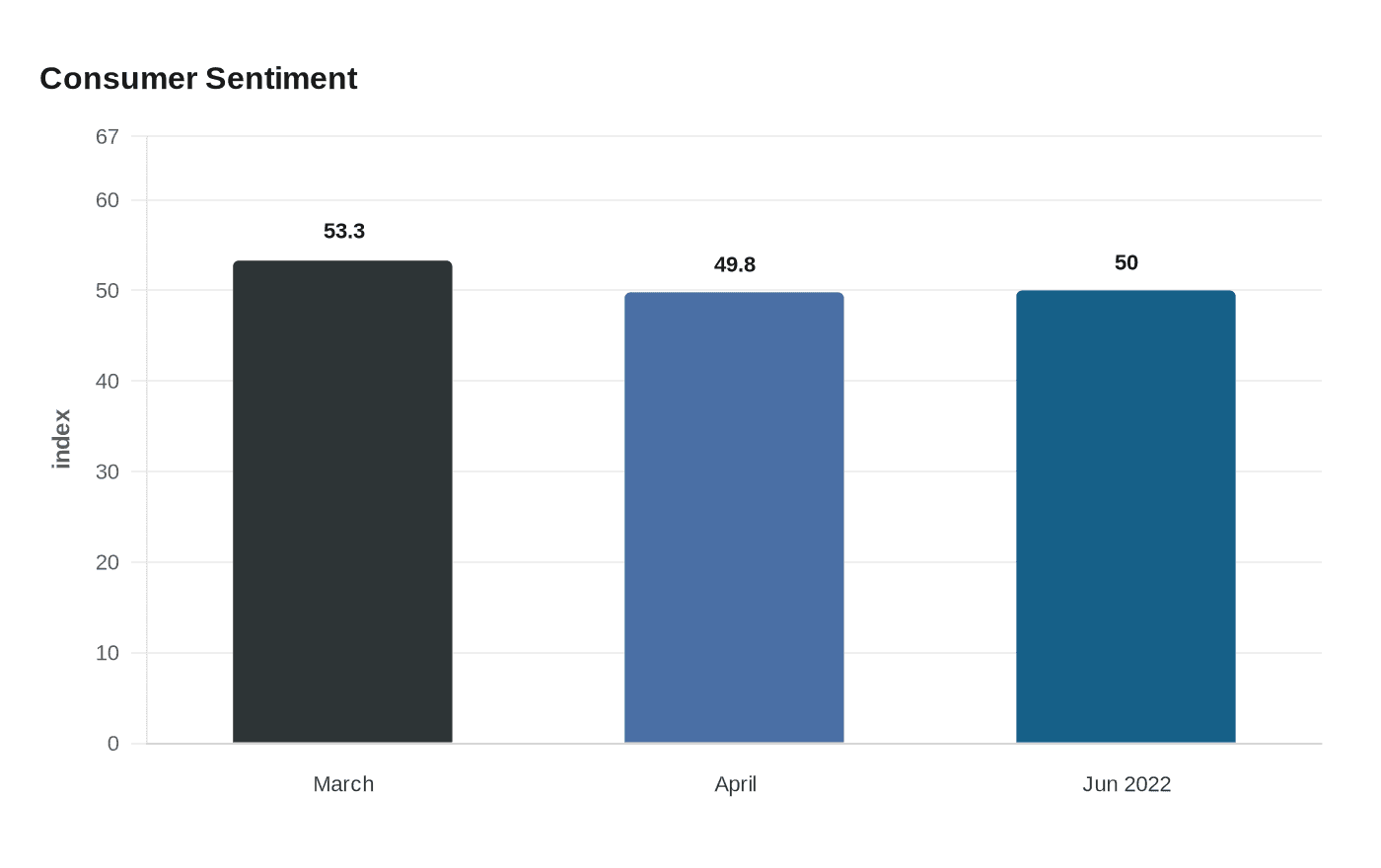
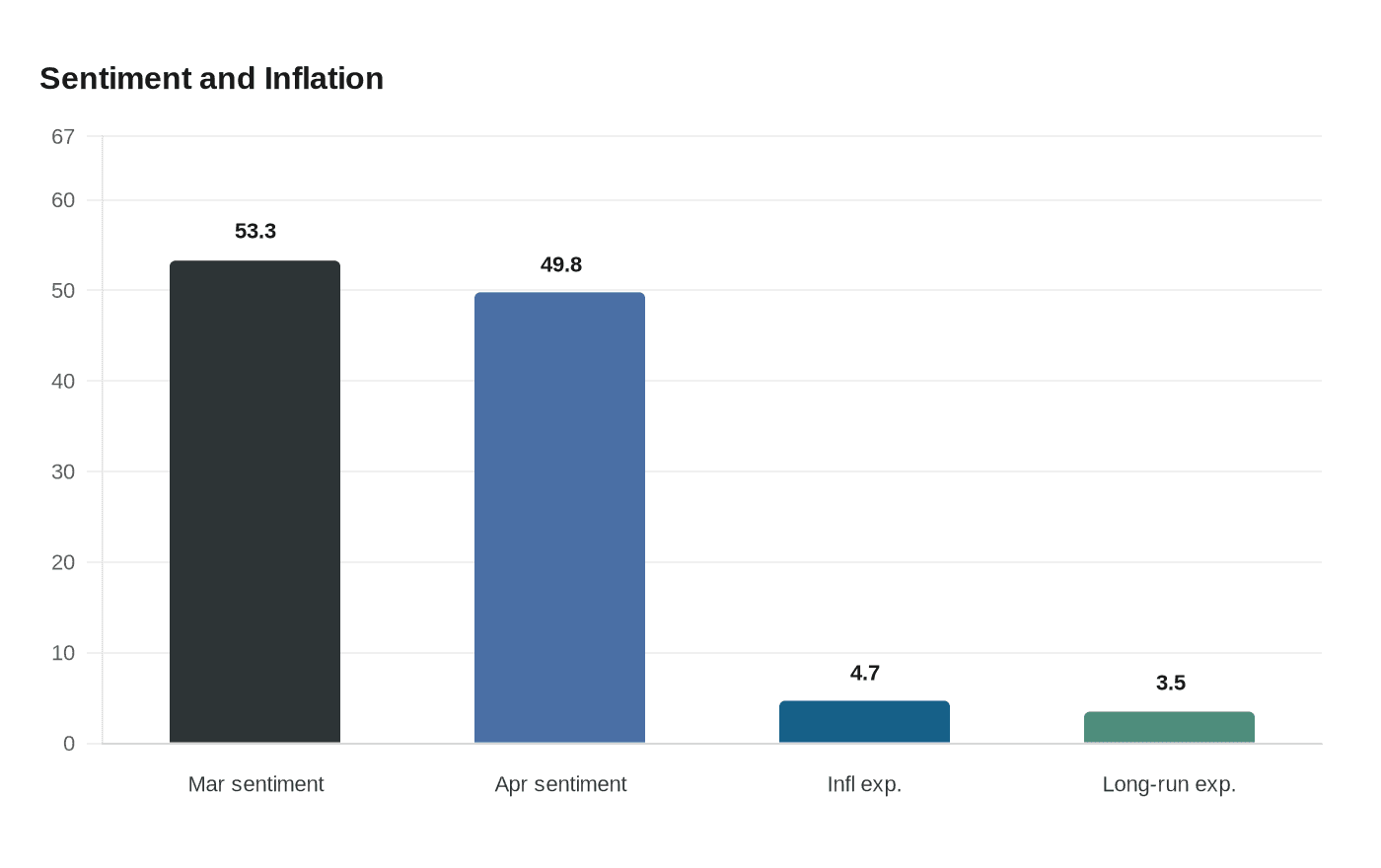
Shoppers are getting more cautious, and that is likely to show up first in the aisles where Target relies on discretionary spending. The University of Michigan’s final April consumer sentiment reading fell to 49.8, down from 53.3 in March and below the prior record low of 50 set in June 2022. At the same time, year-ahead inflation expectations jumped from 3.8% to 4.7%, the largest one-month increase since April 2025, signaling that consumers are not just uneasy, they are bracing for prices to keep climbing.
The deterioration was broad-based. The university said every component of the index fell in April, with assessments of personal finances down about 11% and one-year expected business conditions plunging about 20%. Buying conditions for durables and vehicles worsened on the basis of high prices, and long-run inflation expectations rose to 3.5%, the highest since October 2025. For Target teams on the floor, that is the kind of mood shift that can trim basket size, delay trade-ups and make every nonessential purchase harder to close.
That matters most in home, apparel and other discretionary categories where a guest can easily decide to wait. When inflation worries rise, shoppers are more likely to hunt for deals, compare prices and skip items that do not feel necessary. For store leaders and team members, the practical takeaway is that value messaging becomes part of daily execution, from keeping promotional signs accurate to making sure the guest can see a clear reason to buy now instead of later. Out-of-stocks and messy merchandising become even costlier when confidence is already weak.
Target has already moved to meet that pressure. On March 11, 2026, the company said it was lowering prices on more than 3,000 products, with most cuts ranging from 5% to 20% below the original price. Five days later, Target announced Target Circle Deal Days, a three-day event set for March 25 to 27, with up to 50% off for members of the free Target Circle program and early access for paid Target Circle 360 members. Those moves suggest the company is trying to make the trip feel worth it before consumers decide to hold back.
The backdrop inside Target is still one of investment and growth, even as the shopper gets pickier. On March 3, 2026, Target under CEO Michael Fiddelke laid out an incremental $2 billion investment for 2026, including more than $1 billion in additional capital expenditures and $1 billion in additional operating investments, while saying it aimed to return to growth. In that same update, Target reported fourth-quarter 2025 net sales of $30.5 billion, said same-day delivery powered by Target Circle 360 grew over 30 percent, and noted that sales and traffic trends accelerated in the last two months of the quarter. The message for workers is simple: a softer consumer can change the pace on the sales floor fast, and the stores that stay sharp on value will be the ones best positioned when the guest walks in looking for reasons to spend less, not more.
This article was produced by Prism’s automated news system from verified source data, official records, and press releases, then run through automated quality and moderation checks before publishing. The system is built and supervised by the people who set the standards it runs under. Read our full AI policy.
Did this article answer your question?