Target Tech powers stores, digital orders, and frontline operations
Target Tech is the layer behind faster checkouts, cleaner inventory, and quicker digital orders. Its tools shape what team members feel when systems work or fail.
What Target Tech really does on the floor
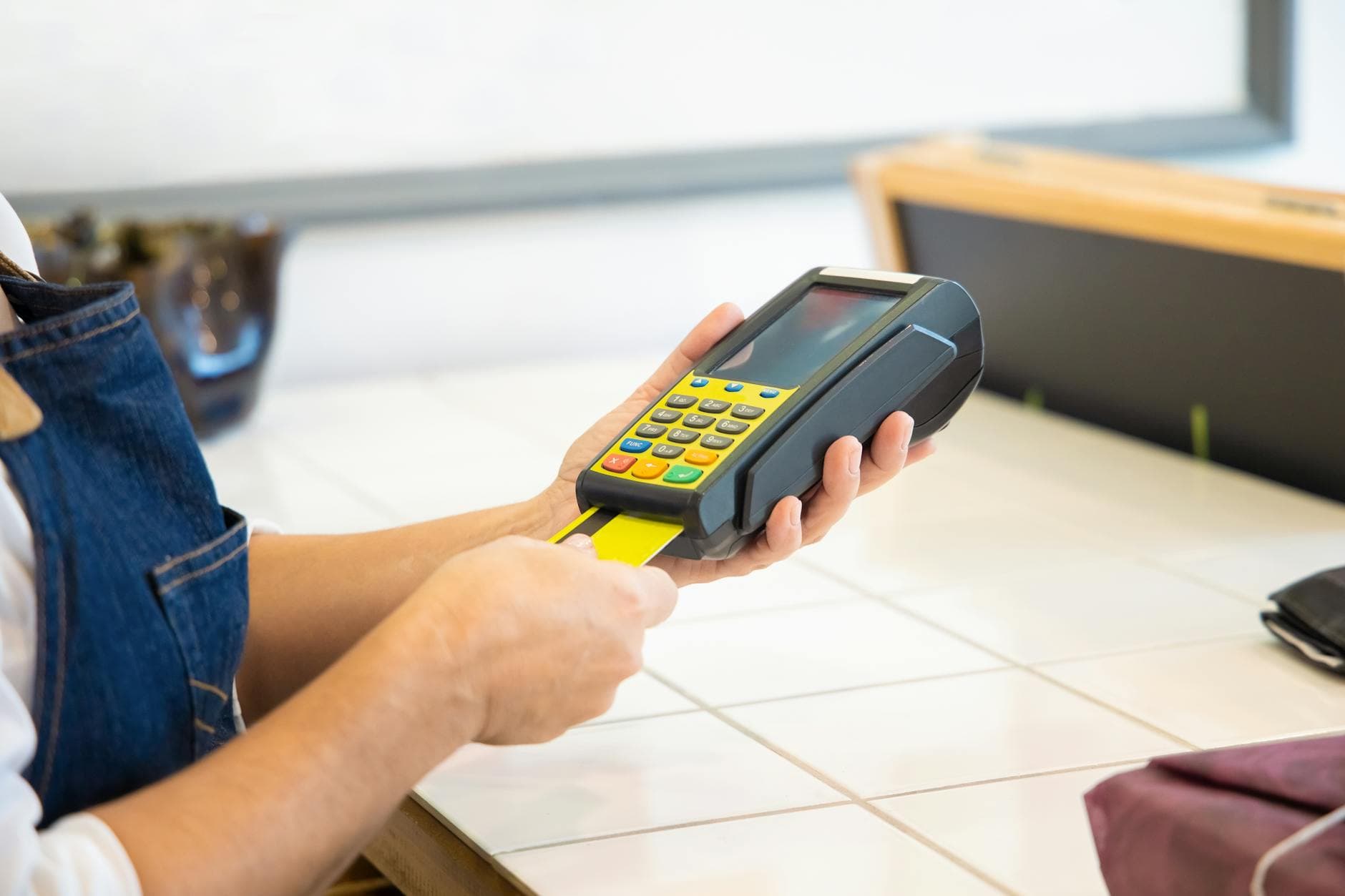
A checkout that freezes, an order that routes wrong, or a handheld that cannot pull the right inventory data turns into extra work fast. That is why Target Tech matters to store teams: it is the layer underneath the guest experience, the fulfillment network, and the daily rhythm of front-end, backroom, and supply chain work.
Target says its technology organization covers cybersecurity, data platforms, data science, infrastructure, product engineering, enterprise product teams, and user experience. In practice, that means the same tech group that protects guest data and fights fraud also helps keep schedules loading, devices working, orders moving, and stores connected to the rest of the business.
The systems behind everyday retail work
For frontline teams, Target Tech is easiest to feel when it works. Inventory counts are cleaner, digital orders route correctly, checkout tools respond, and the devices on the floor actually save time instead of creating another task. When the systems fail, the problems are immediate: slower lanes, confusing item availability, delayed order handling, and more time spent correcting digital mistakes that should never have landed in the store in the first place.
Target’s infrastructure work is part of that hidden plumbing. The company says this function builds and operates platforms, data centers, field devices, and collaboration tools that support team members and the guest experience. That matters because a retail floor now depends on more than people and product flow; it depends on whether the hardware, networks, and internal tools are reliable enough to keep pace with demand.
Cybersecurity and data science sit on the same operating stack. Target says cybersecurity helps protect the company and guests from cybercriminals and fraudsters, while data science extracts insight through automated decision models. For store leaders, that means less exposure to bad actors and better decision support when systems are making calls about inventory, fulfillment, or guest interactions.
Why stores and digital are now inseparable
Target’s own strategy makes the connection clear: stores are not just points of sale, they are fulfillment hubs. The company says its stores remain central as destination-worthy environments and fulfillment hubs, complemented by digital channels that support discovery, inspiration, and flexibility.
That shift explains why tech choices upstream show up so quickly on the sales floor. Target’s digital comparable sales grew 4.7 percent in first-quarter 2025, driven by more than 35 percent growth in same-day delivery and continued growth in Drive Up. The company later said same-day delivery growth stayed above 35 percent in 2025 third-quarter earnings. Those are not just digital metrics; they are store metrics too, because the same locations that serve guests in person are increasingly packing, staging, and handing off digital orders.
The scale is large enough that reliability becomes a labor issue. Target said in March 2026 that it reaches 80 percent of the U.S. population with same-day delivery, often within two or three hours, and 99 percent with two-day shipping. A network that broad only works if the back-end systems are accurate enough to know what is in a store, what can be promised, and what can be picked without slowing the team down.
The investment behind the process changes
Target is putting real money behind that model. In March 2026, the company said it planned to raise capital investment to about $5 billion in 2026, including more than $1 billion in additional capital expenditures for new stores, remodels, technology, and supply chain investments. That is a direct signal that the company sees technology and physical operations as part of the same business problem.
Target’s 2025 annual report says the company is investing in technology and leveraging AI to make shopping more joyful and support teams. Its March 2026 strategy update went a step further, saying it plans to use AI to make shopping easier and more personalized. For store teams, that can mean better recommendations for guests, smarter fulfillment logic, and fewer manual workarounds. It can also mean more process changes landing in stores as the company tries to automate decisions that used to be handled by people.
There is another wrinkle that matters to workers: Target says it relies on third parties for portions of its technology infrastructure, digital platforms, replenishment and fulfillment operations, store and supply chain infrastructure, delivery services, guest contact centers, and payment processing. That means some of the systems that shape store work are not fully built or controlled inside the company. When there is an outage, a delay, or a payment issue, the impact can still land on the team in the building.
What this means for Target careers
Target Tech is also part of the company’s internal career economy. The job page describes a place where technical work powers retail, which matters for team members who want a path beyond the sales floor without leaving Target behind. A worker who starts in stores does not have to see tech as some separate corporate world; the systems that affect inventory accuracy, fulfillment routing, checkout reliability, and device performance are part of the same operating machine.
That point is reinforced by where the work sits. Target says it supports stores, supply chain teams, and operations from Minneapolis and other global offices, including India. In a company with nearly 2,000 stores across all 50 states, the technical decisions made in one office can change how a store leader spends the next shift.
Prat Vemana sits at the center of that structure as executive vice president and chief information and product officer, responsible for cybersecurity, data platforms, data science, infrastructure, product engineering, enterprise product teams, and user experience. That level of centralization gives Target Tech direct influence over the tools that connect stores, digital orders, and supply chain execution.
For workers, the takeaway is straightforward: Target Tech is not a side function. It is the operating layer that decides whether the store feels organized or chaotic, whether digital volume creates momentum or extra labor, and whether the company’s stores-as-hubs strategy makes life easier on the floor or adds one more system to wrestle with.
This article was produced by Prism’s automated news system from verified source data, official records, and press releases, then run through automated quality and moderation checks before publishing. The system is built and supervised by the people who set the standards it runs under. Read our full AI policy.
Did this article answer your question?