Target ties workplace culture to caring, growing and winning together
Target says caring, growing and winning together drives belonging, but its DEI rollback and backlash show the gap workers should watch for on the floor.
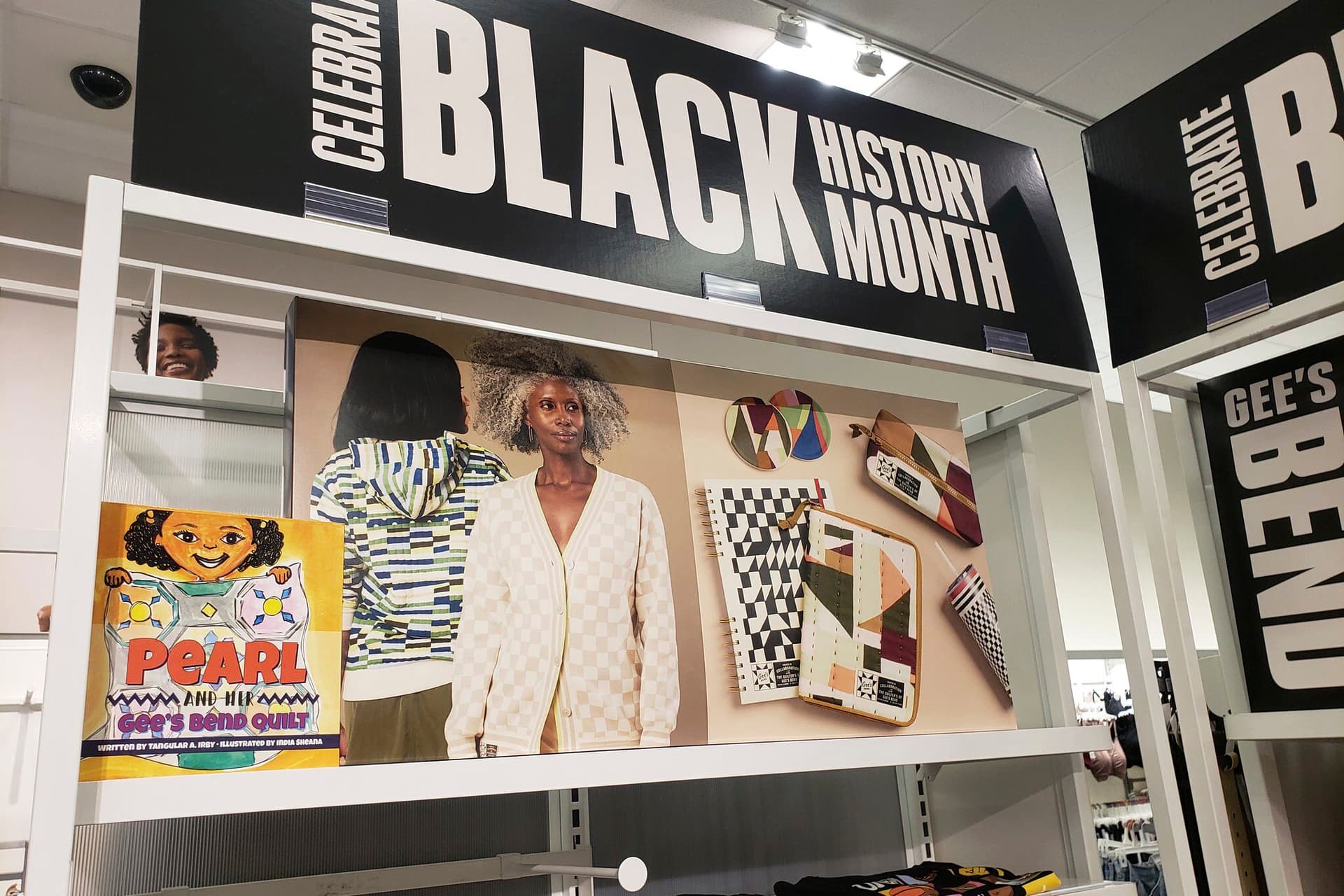
Target’s culture pitch sounds simple on paper, but the real test is whether it changes how a shift feels at 7 a.m., how a manager gives feedback, and whether the team trusts one another when the line gets long. The company says culture is about Care, Grow and Win, and it now wraps that message in belonging. For team members, the hard part is telling the difference between a values page and a store where the values actually show up.
How Target defines culture
Target describes itself as a community of purpose-driven individuals across stores, supply chain facilities, corporate headquarters and global offices. It frames culture in three parts: Care means showing up for each other, making people the priority and treating one another with respect; Grow means investing in people, focusing on development and creating opportunities to reach full potential; Win means doing the right thing, winning the right way and succeeding as part of a team.
That is a clean corporate formula, but in retail it only matters if people feel it in the daily routine. A team that truly lives Care should be able to ask questions without getting brushed off. A team that lives Grow should hear more than criticism when performance slips. A team that lives Win should feel like standards are clear and shared, not enforced unevenly by whichever leader happens to be on duty.
What belonging looks like on the floor
Target’s belonging page pushes the idea further, saying the company wants belonging for team members, guests and communities and aims to recruit and retain a workforce that reflects the communities it serves. It also says belonging for all is essential to team and culture because it helps fuel consumer relevance and business results. That is not just branding language. It is a statement that the way people are treated inside the store is part of the sales model.
For workers, belonging has very practical markers. In a store, it affects whether someone feels safe admitting a mistake at the boat, requesting help during a rush, or flagging a process that is creating extra work. In leadership, it shows up in whether coaching feels supportive or punitive, whether schedules are communicated clearly, and whether development opportunities go to a broad mix of people or only to a few visible favorites.
The company’s equal-employment language also spells out the protected categories it says it will not use in hiring, promotion or advancement decisions, including race, color, national origin, religious beliefs, sex, age, disability, sexual orientation, gender identity, citizenship status, military status, marital status and genetic information. For job seekers, that is a signal about what Target wants to project. For current team members, it is a reminder that the gap between policy and practice is measured in everyday decisions made by leaders, not in wall copy.
January 2025 changed the conversation
The biggest stress test for Target’s culture message came on Jan. 24, 2025, when the company said it was rolling back major DEI initiatives. It ended three-year DEI goals, stopped reporting to external diversity-focused groups such as the Human Rights Campaign’s Corporate Equality Index, and ended a program focused on carrying more products from Black- or minority-owned businesses.
CNBC reported that the memo came from Kiera Fernandez, Target’s chief community impact and equity officer, and that the company said there were no job cuts tied to the announcement. Target said the change reflected “data, insights, listening and learning” and a need to stay aligned with an evolving external landscape, while still serving growth and winning together.
The company’s own 2025 annual report makes clear that the move did not land quietly. It said modifying and concluding certain DEI initiatives in 2025 prompted adverse reactions from some shareholders, guests, team members and others, along with consumer boycotts. That matters inside the workforce because it tells employees the culture conversation is no longer only about inclusion language. It is also about how leadership responds when that language collides with politics, customers and the market.
History matters here
Target’s present-day belonging framing did not appear out of nowhere. The company’s earlier DEI posture was strengthened after the 2020 George Floyd protests in Minneapolis, and in 2016 Target publicly said transgender team members and guests could use restrooms and fitting rooms corresponding to their gender identity. Those choices gave the company a specific reputation on inclusion, especially among LGBTQ workers and shoppers.
That is why the move from direct DEI commitments to a broader belonging message is more than a wording change. It marks a shift from highly specific public promises to a strategy that ties inclusion more tightly to business performance. For workers, that can feel like a narrowing of the conversation, even when the company still uses language about respect, opportunity and community.
What the money and leadership priorities signal
Target is not a small employer making symbolic gestures. CEO Michael Fiddelke leads more than 400,000 team members, and his priorities include merchandising authority, guest experience, technology and strengthening teams and communities. That list matters because it puts culture in the middle of operations, not off to the side.
Target also said in its 2025 annual report that it plans more than $2 billion in incremental investments across the business, including more than a $1 billion increase in capital expenditures and another $1 billion in operating investments. The company said part of that effort will go toward raising standards in stores by investing in training and support for teams. If those dollars reach the floor, workers should see better coaching, clearer processes and more consistent support when stores are busy or under pressure.
What to watch for in a real Target culture
The floor-level test is straightforward:
- Team members can ask for help without being made to feel small.
- Errors are treated as something to fix and learn from, not as a reason for public embarrassment.
- Schedules are explained clearly, and changes are communicated before they become a last-minute scramble.
- Coaching comes with specifics, not just vague pressure to do better.
- Development feels open to a range of people, not reserved for the most visible favorites.
- Leaders connect process problems to guest service and team workload, instead of treating them as personal failings.
Target’s own language says belonging should support consumer relevance, talent retention and business results. The working question for anyone on the payroll is whether the day-to-day culture matches that pitch. If Care, Grow and Win are real, they will show up in how a store handles pressure, who gets heard, and whether people believe they can build a future there without leaving respect behind.
This article was produced by Prism’s automated news system from verified source data, official records, and press releases, then run through automated quality and moderation checks before publishing. The system is built and supervised by the people who set the standards it runs under. Read our full AI policy.
Did this article answer your question?