Target uses virtual reality to design Houston receive center efficiently
Target built Houston’s receive center in VR first, using the digital version to catch bottlenecks and layout risks before the real building opened.

Virtual design is becoming a supply chain tool, not just an architecture trick
Target’s Houston Receive Center shows how much work can happen before a site ever opens. Instead of waiting for the first pallets to arrive and then fixing the problems that surfaced on the floor, the company designed the building in a digital environment first, using virtual reality and simulation to test how goods, equipment, and labor would move once the site became real.
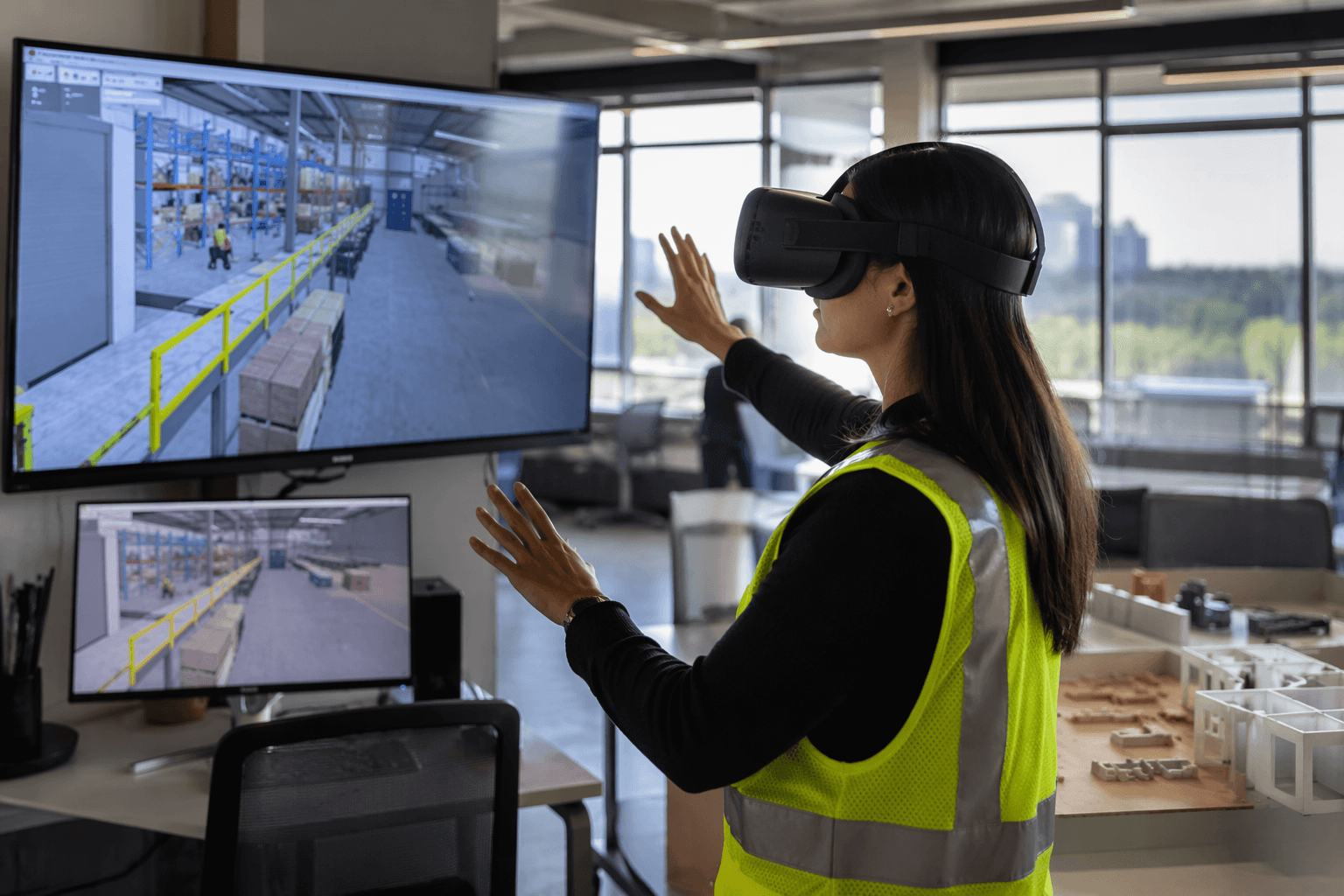
That matters because warehouse and receiving operations do not fail in dramatic ways. They fail in the small stuff: a rack placed in the wrong spot, a staging lane that backs up at the wrong hour, a path that forces team members to cross traffic too often, or a layout decision that looks fine on paper but creates costly retrofits later. Virtual facility design gives planners a chance to catch those issues before they become part of daily life for the people stocking, sorting, and maintaining the space.
How the Houston Receive Center was built in digital first
Target says the Houston facility is its first receive center, and the first time it used immersive 3D visualization and simulation technology end to end in the design process. The work was done at Target XR Experience Center in Minneapolis, where planners could build a detailed model of the site before construction began. That digital twin let teams test how the operation would actually function rather than simply how it looked on a blueprint.
The result is a 1.2 million-square-foot facility that cost $265 million and employs 185 people. It is designed to serve six regional distribution centers and one flow center, which makes it a kind of upstream pressure valve in Target’s network. The company says the site sits between import warehouses in Georgia and Washington state, a location intended to shorten distances traveled and get products to the right place faster and at a lower cost.
That is especially useful for inventory that is seasonal, bulky, hard to forecast, or tied to long lead times. Those are the categories most likely to cause headaches if they are stored too close to the wrong stage of the network, or too far from the places where demand is actually building.
Why the virtual model matters for the people inside the building
For the teams who will work in spaces like this, the value of virtual design is practical. If planners can see in advance where inbound freight should land, where items should be staged, and where congestion could form, they can make corrections before the first live shift begins. That reduces guesswork for the managers who have to run the operation and for the hourly team members who have to move through it safely and efficiently.
It also helps with ramp-up. A new facility can create a lot of friction in its first weeks if the workflow is still being figured out in real time. A digital model gives leaders a chance to train around the process before the first shipment arrives, which can make onboarding smoother and reduce the learning curve for the people closest to the work. In a warehouse setting, that kind of preparation can mean fewer near-misses, less wasted motion, and fewer frustrating workarounds that employees end up living with for months.
The bigger point is that the company is not just investing in concrete and steel. It is investing in the planning tools that shape whether a site feels orderly or chaotic once the operation is live. For the team members inside the building, that difference shows up every day in how far they walk, how often they wait, how safely they can move equipment, and how much time is lost to problems that should have been designed out earlier.
A new facility in the middle of Target’s 2026 investment push
The Houston Receive Center arrives as Target is spending heavily to reset both its stores and its operational backbone. In March 2026, the company said it planned an incremental $2 billion in investment for the year, including more than $1 billion in additional capital expenditures and $1 billion in additional operating investment. Target also said it expected more changes within stores than in any year of the last decade, along with updated floor plans, enhanced displays, more payroll and training, and more technology, including AI.
That broader plan gives the Houston project more weight than a one-off logistics upgrade. It is part of a companywide effort to improve execution, from the back room to the sales floor. If the store experience has felt inconsistent, as CEO Michael Fiddelke has acknowledged, then the supply chain has to do more of the heavy lifting in getting the right product to the right place at the right time.
That is where virtual facility design starts to look less like a niche engineering tool and more like a retail discipline. When a company can test operations before opening day, it has a better shot at avoiding the kinds of bottlenecks that ripple outward into store replenishment, fulfillment, and guest experience.
What this says about Target’s supply chain strategy
Target says it operates 66 supply chain facilities across 25 states, and nearly 60,000 team members work across that network. The Houston Receive Center adds another layer to that system by positioning inventory earlier in the pipeline, before goods reach downstream distribution centers and store back rooms. That kind of upstream capacity can help prevent congestion and support faster fulfillment, especially for products that do not fit neatly into a predictable demand pattern.
That matters for stores too. When the supply chain is better tuned, teams on the floor spend less time explaining out-of-stocks, less time improvising around late product, and less time absorbing the fallout from bad placement decisions made far upstream. Better receiving and staging logic does not solve every retail problem, but it can remove a lot of the friction that lands on front-line workers when a network is not designed well.
For Target, the Houston project is a sign that the company is treating physical space as something to be simulated, corrected, and optimized before it ever becomes an operating problem. For the people who will staff, stock, and maintain these facilities, that is not abstract innovation. It is the difference between a building that was merely opened and a building that was actually thought through.
This article was produced by Prism’s automated news system from verified source data, official records, and press releases, then run through automated quality and moderation checks before publishing. The system is built and supervised by the people who set the standards it runs under. Read our full AI policy.
Did this article answer your question?