Target watches premium apparel demand hold up as shoppers stay selective
Levi Strauss raised its outlook as premium denim kept selling, a sign that Target’s style-plus-value formula still has room in apparel.

Levi Strauss lifted its annual net sales forecast after a second-quarter fiscal 2026 period ended May 31, even as its shares fell about 5% in extended trading. The move came after the company said premium denim was still drawing higher-income shoppers, a useful signal for Target stores trying to keep apparel moving without racing to the bottom on price.
For Target team members, the takeaway is straightforward: shoppers are still willing to spend when the product feels worth it. That matters in a retailer built around style and value, because “value” does not always mean cheapest. Target’s 2026 strategy says it is focusing on busy families that are digitally savvy, style-focused and value-conscious, and that style, design and value will sit at the center of merchandising decisions as the company leans into a trend-forward assortment.
Levi Strauss backed that view with its own update on the quarter. CEO Michelle Gass said the Levi’s brand was connecting with consumers in “more powerful ways than ever before” and described the company’s direction as becoming a “DTC-first denim lifestyle company” with a larger addressable market. The stock had been up 17.5% year to date before the post-earnings pullback, a reminder that investors still care about whether premium positioning can hold up when households stay cautious.
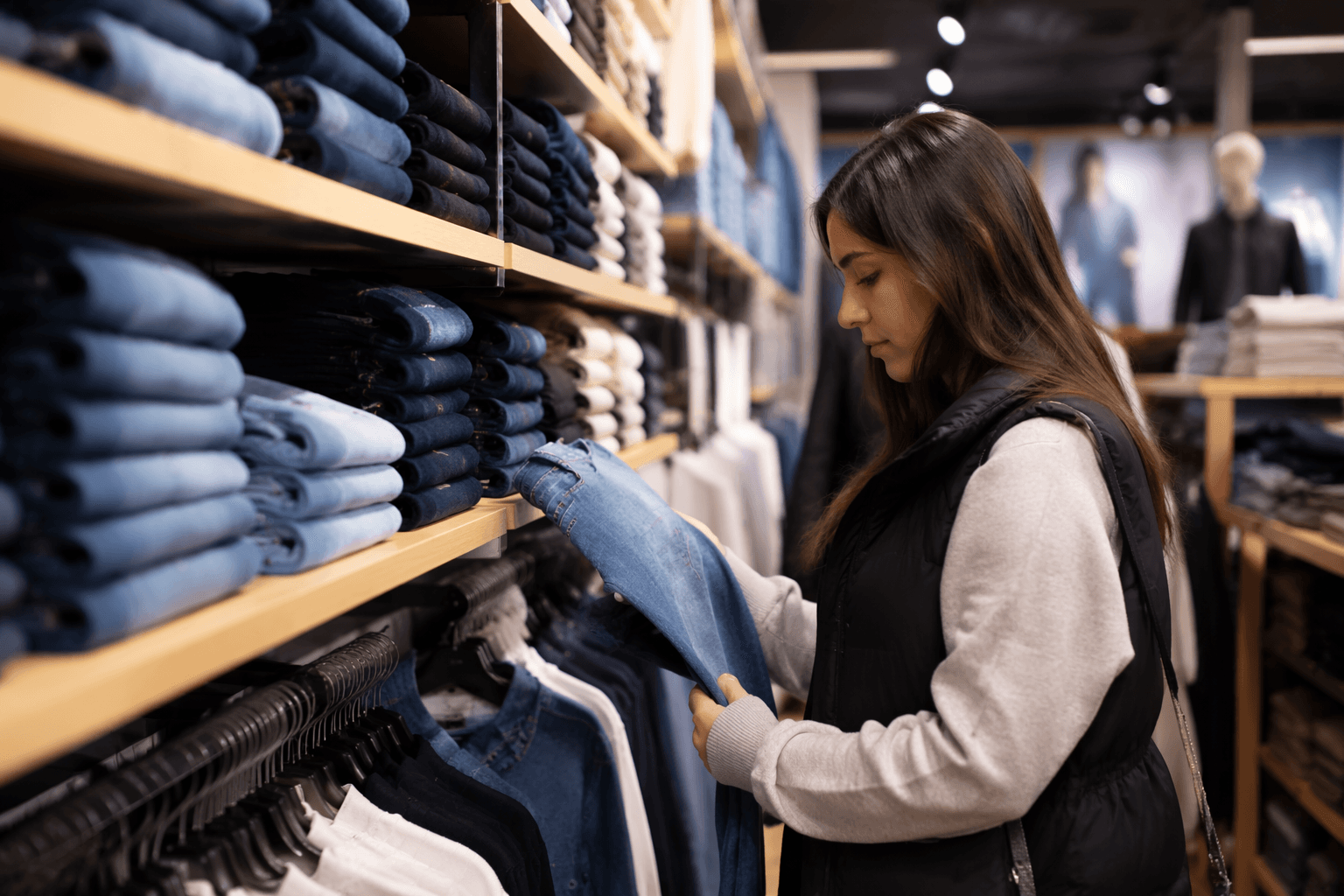
That is the same pressure Target’s merchants and store leaders are working through in home, apparel and other discretionary categories. Target’s merchandising turnaround has centered on stronger authority on the floor, differentiated assortments, better guest experience and more training and payroll. CNBC reported that home and apparel had posted year-over-year sales declines before that reset, while Michael Fiddelke projected 2% net sales growth in 2026 after three years of declines. The company also said it would raise 2026 capital investment plans by more than $1 billion, to about $5 billion, for stores, remodels, technology and operating work.
The practical lesson for ETLs and store teams is that premium items can still move if the presentation is clear and the value story lands. Target said more than half of its 2026 back-to-school assortment was new and included thousands of exclusive products, a sign that freshness and exclusivity still matter on the floor. In apparel, that means size runs, signage, adjacency and inventory depth can decide whether a guest sees a shirt or jacket as a smart buy, or just another expensive one.
This article was produced by Prism’s automated news system from verified source data, official records, and press releases, then run through automated quality and moderation checks before publishing. The system is built and supervised by the people who set the standards it runs under. Read our full AI policy.
Did this article answer your question?