Target's Roundel grows into an 800-plus-person retail media business
Roundel has grown from five team members into an 800-plus-person Target business, and that growth now shapes endcaps, app placements and store-floor execution.
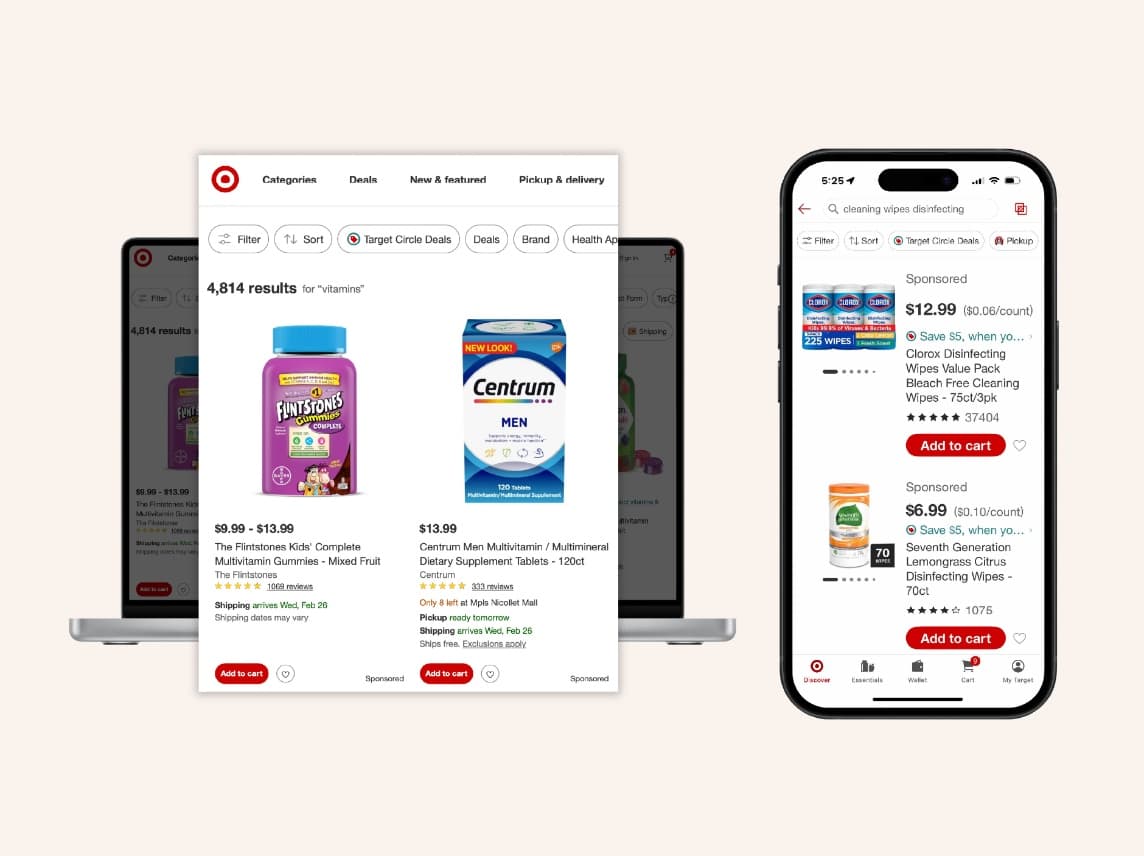
Target’s Roundel business is no longer something that lives only with the media team in Minneapolis. Target’s June 18, 2026 fact sheet says Roundel began in 2007 with five team members and has grown into an 800-plus-person organization that is fully integrated within Target, which helps explain why leaders treat it as a core part of the business, not a side project. For team members on the floor, that means brand dollars now show up as signage changes, featured placements, inventory pressure and extra coordination across stores, fulfillment and guest service.
How Roundel shows up in the store
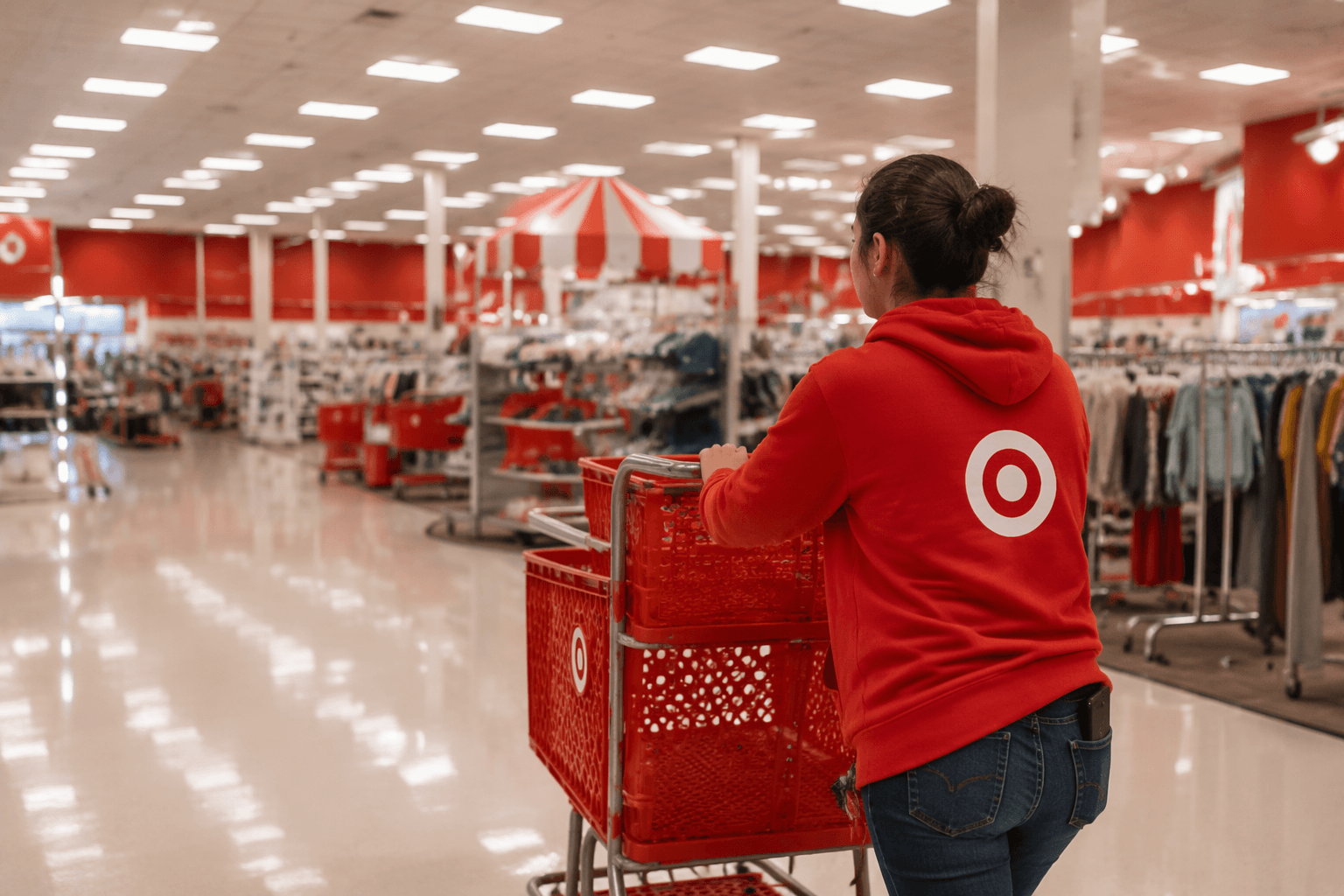
Roundel works best when a brand’s media push matches what guests actually see in a Target store or app. When a product is being supported by a campaign, team members can feel it in the aisle: an endcap gets attention, a sign changes, a promoted item moves faster, and guests arrive already looking for it. That can create a smoother trip when execution is tight, but it also creates risk if shelves are thin, pricing is off or the pickup flow does not match what the ad promised.
The practical effect is simple. A media-backed item can drive a spike in traffic, more questions at guest service and more pressure on fulfillment accuracy. If a brand is paying to reach shoppers through Target, the store has to deliver the product, the presentation and the handoff without delay. That is why Roundel is not just a revenue line for corporate teams; it changes the rhythm of the day for the people keeping the floor, backroom and digital orders aligned.
Why leadership cares so much
The business case for Roundel is tied to how retail media makes money from shopper behavior itself. Target’s materials say Roundel connects 165 million-plus Target guests with brands and designs media experiences and solutions across omnichannel touchpoints, which means it sits at the intersection of marketing, shopping data and store execution. For executives, that is valuable because the company is not only selling goods, it is selling access to the guests who are already shopping Target.
That helps explain the scale of the business. A Progressive Grocer report on Oct. 15, 2023 said Target launched its retail media business 15 years earlier, that Roundel had grown more than 60 percent over the prior two years and that it represented $1 billion at the time. By May 29, 2025, another Progressive Grocer item said Roundel was generating nearly $2 billion of value for Target, had posted double-digit growth in the first quarter and had a goal of doubling the size of the business. A June 18, 2026 Progressive Grocer result said Roundel had become the first retail media network on the DIRECTV remote and had since generated $2 billion in value for Target with continuing ad revenue growth.
What it means for day-to-day work
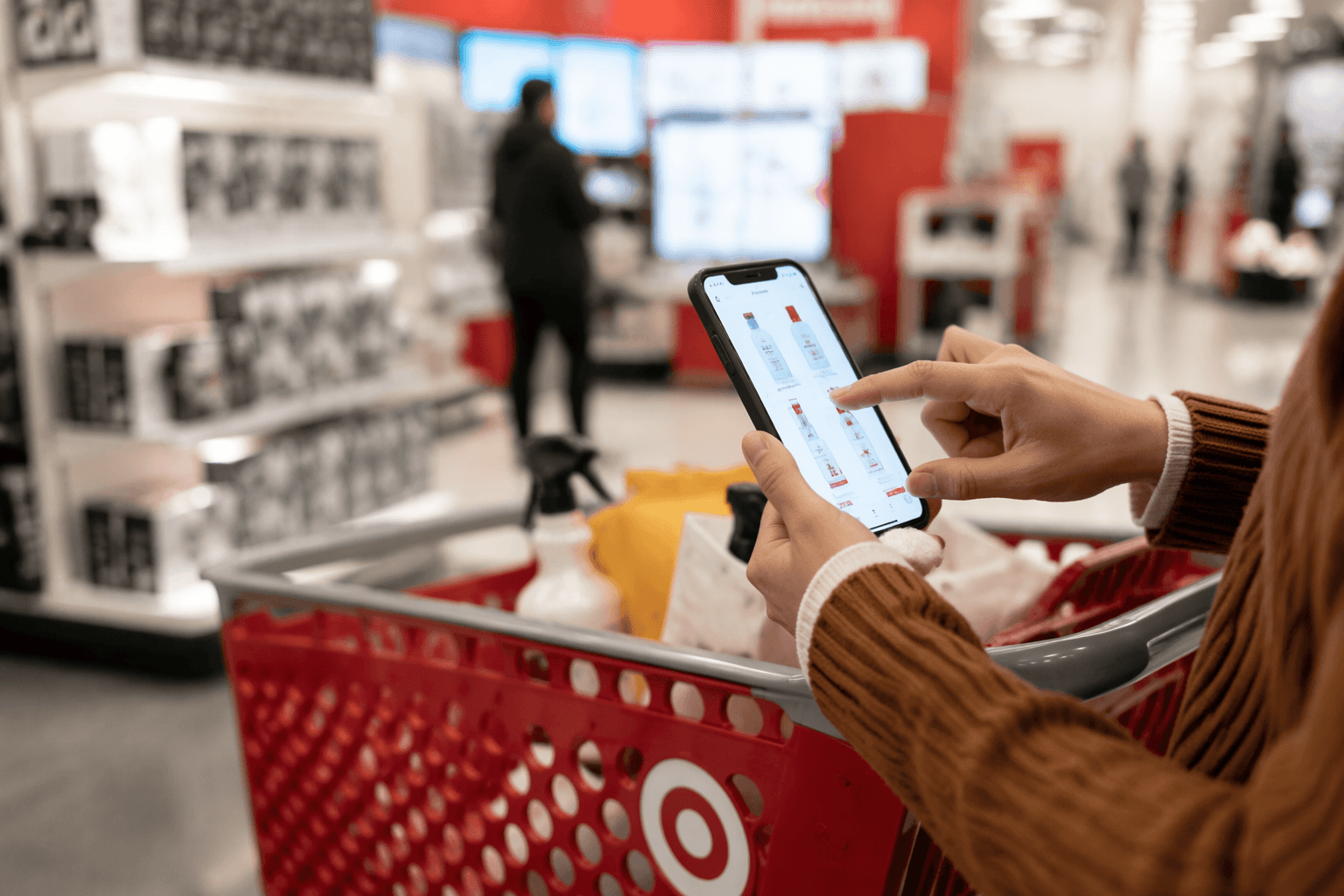
For team members, Roundel changes the job in ways that are easy to miss until a campaign lands on your aisle. A promoted item may need a cleaner presentation, a more visible endcap or quicker replenishment because the brand is paying for attention and expecting conversion. If the app is promoting something that is not where guests expect it to be, or if pickup orders are missing the item they came in for, the store absorbs the frustration even though the demand spike came from media.
That is why execution matters so much. Roundel makes the store part of a larger system where marketing, inventory, fulfillment and guest experience all affect one another. In practice, that means store leaders need tighter coordination with merchandising and operations, and team members need to be ready for sudden shifts in what guests ask for, what sells through and what needs to be replenished first.
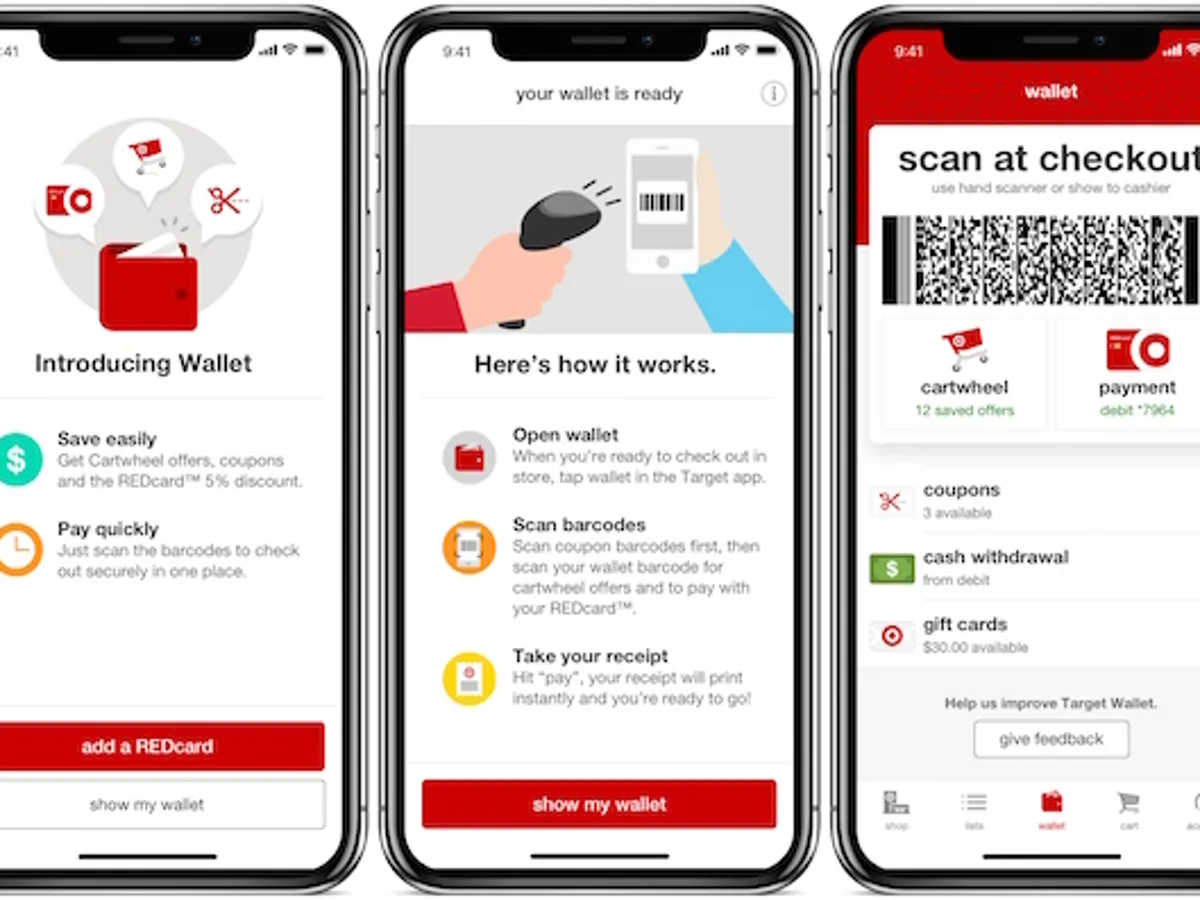
It also changes how leadership thinks about guest data and the shopping journey. Retail media works because the company can connect exposure to behavior and behavior to sales, and that turns every touchpoint into part of the same business. A store is no longer just a place where products sit on shelves; it is a media environment, a fulfillment node and a data-driven point of contact with guests all at once.
Why the category keeps expanding
Target’s push into Roundel fits a bigger retail trend. Grocery Dive described grocery retail media as an $8.5 billion growth opportunity in 2024, which helps explain why retailers are pouring resources into these businesses. The category is attractive because it can support broader investments in technology, loyalty, pricing and store experience while also creating a high-margin revenue stream that is different from traditional product sales.
Target has also tried to shape how the industry thinks about retail media itself. Its 2022 Forrester-commissioned report, titled “How brands can develop the mature retail media practices they want,” shows the company was not only building an ad business but also trying to influence how brands use it. In a retail environment where vendor dollars can steer priorities, that matters on the floor because the brands that buy media often get more attention, more featured placement and more operational coordination.
What team members should take from it
Roundel’s growth tells you something important about Target’s priorities. The business has moved from a small in-house team in 2007 to an 800-plus-person organization that now reaches 165 million-plus guests and is tied to digital, app and in-store experiences across the chain. For store teams, the payoff can be clearer demand and better traffic; the cost is more complexity, faster execution expectations and less room for mistakes when a campaign is live.
That is why leadership cares so much about it. Roundel is one of the places where Target can connect brand dollars to guest behavior, and that connection only works if the store floor, the app and fulfillment all line up. When the media message, the shelf and the pickup order match, the business looks seamless. When they do not, the store feels it immediately.
This article was produced by Prism’s automated news system from verified source data, official records, and press releases, then run through automated quality and moderation checks before publishing. The system is built and supervised by the people who set the standards it runs under. Read our full AI policy.
Did this article answer your question?