Target’s six new stores signal bigger decade-long growth plan
Six new stores across four states hint at a much bigger staffing push, with bigger formats, more jobs and new transfer paths for Target teams.
Six stores, one longer runway
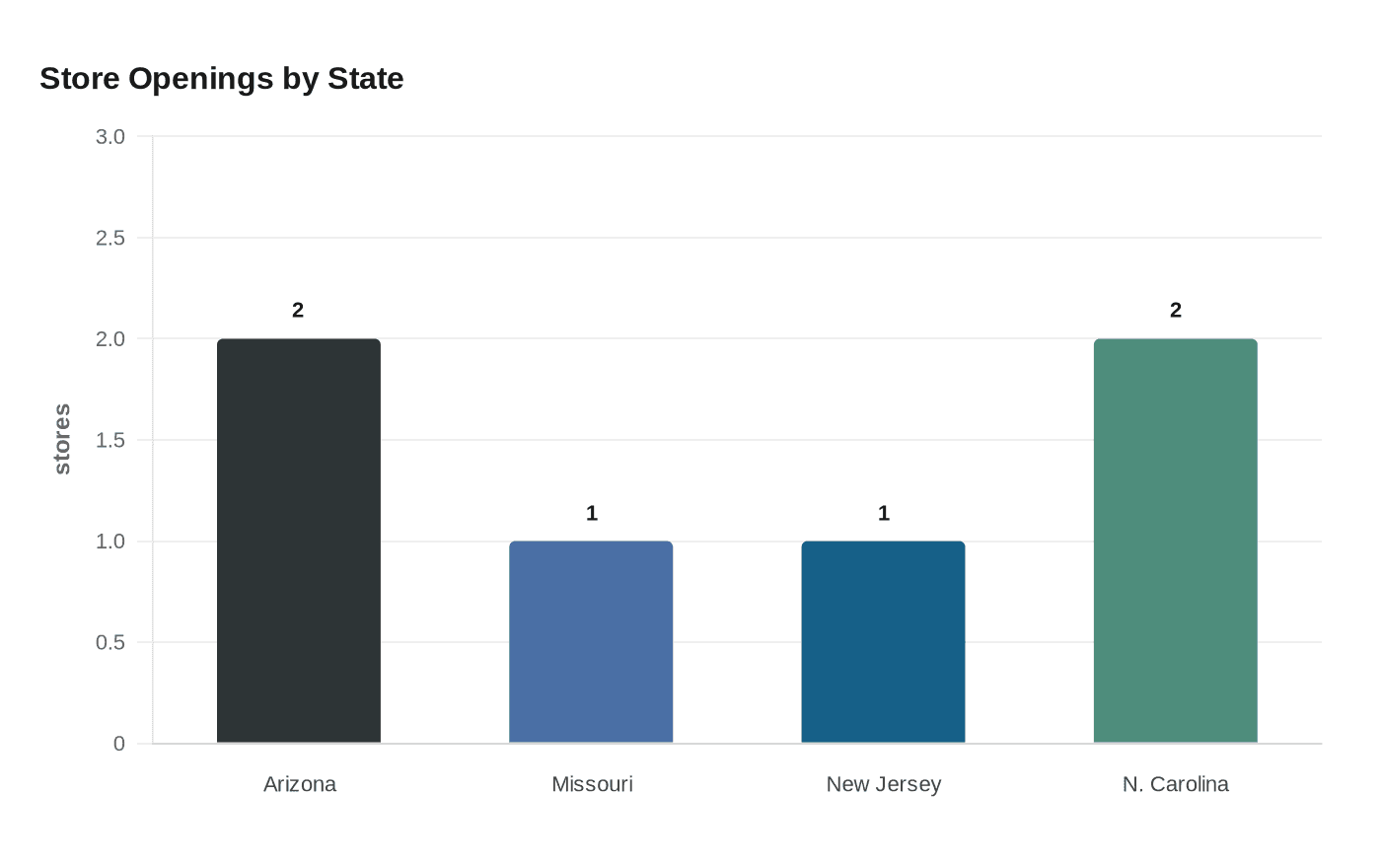
Target’s six May openings are bigger than a simple ribbon-cutting list. Two Arizona stores in Buckeye and Casa Grande, plus new locations in University City, Missouri, Jersey City, New Jersey, and Wilmington and Selma, North Carolina, point to a company placing labor where it expects demand, growth and fulfillment pressure to build.

That matters on the floor as much as it does in the boardroom. When Target adds stores, especially larger ones, it is not just adding red signs and checkout lanes. It is adding freight, training, guest service demands, backroom complexity and new opportunities for team members who want a path into leadership.
Where the jobs are landing
The six openings are spread across Arizona, Missouri, New Jersey and North Carolina, which is the clearest sign that Target is not treating expansion as a one-market bet. The company is targeting recognizable, high-traffic places where a bigger store can pull in neighborhood shoppers, support same-day fulfillment and create a deeper staffing base.
Supermarket News reported that the six stores will create more than 870 jobs, with starting wages ranging from $15 to $24 an hour, plus competitive benefits and no-cost education assistance. For candidates looking at Target as a first job or a move-up job, that is a real hiring surge. For current team members, it is also a warning and an opportunity: new stores nearby can pull experienced people into opening teams, specialty roles and leadership ladders faster than a mature store can.
The markets themselves tell the story. Buckeye and Casa Grande give Arizona two openings. University City gives Missouri one. Jersey City gets one in New Jersey. North Carolina gets two, in Wilmington and Selma, which suggests Target sees enough demand in the state to keep expanding beyond a single metro.
Bigger boxes change the work
Five of the six new stores are above Target’s average square footage, and two are nearing 150,000 square feet. That is not a cosmetic detail. Bigger stores typically mean broader assortments, more inventory to manage and a more complicated daily rhythm for inbound, presentation, guest service and fulfillment.
For store teams, that usually shows up in practical ways. There is more freight to sort, more shelving to maintain, more departments to zone and more cross-training needed so a team can flex between front-of-store service, drive-up, order pickup and the salesfloor when traffic spikes. Bigger stores also tend to demand stronger backroom flow, because more product in the building only works if replenishment stays tight.
Target’s own logic is clear: it is not simply chasing unit count. It is selecting sites and formats that can handle more robust fulfillment and a fuller guest experience. That is why these openings matter to team leads who want to understand why some stores are getting bigger and why opening teams often get more investment in fixtures, backroom setup and guest-facing presentation.
The 2026 spending plan behind the openings
The May openings sit inside a much larger company reset. In March, Target said it will invest an incremental $2 billion in 2026, including more than $1 billion in additional capital expenditures and $1 billion in additional operating investments. It also said it will put hundreds of millions of dollars into extra store payroll and training, while planning more than 130 remodels.
That is a big signal for workers. When a retailer ties store growth to payroll and training, it is acknowledging that labor is not just a cost line. It is part of the product. Updated floor plans and enhanced displays do not hold up if stores are short-handed or poorly trained, and Target is saying it expects 2026 to be a year when guests will “see and feel more change” than they have in a decade.
The company has also said it expects more than 30 new stores in 2026 and more than 300 by 2035. That makes the May openings look less like a burst and more like the first visible step in a decade-scale buildout. For employees, that means more internal transfers, more openings for shift leads and specialty roles, and more competition for experienced workers as new stores try to launch with strong teams.
The 2,000th store shows where Target is headed
One of the clearest markers in this expansion is Target’s 2,000th U.S. store, set to open in Fuquay-Varina, North Carolina. The building is 148,000 square feet, with a food and beverage department that is 30% larger than the chain average. It also includes Drive Up with 24 pickup lanes, Order Pickup, same-day delivery, next-day delivery in the Raleigh market, CVS Pharmacy, Starbucks Cafe and Disney Shop at Target.
That format is a useful clue to the company’s long-term playbook. Target says 92% of shoppers at its newest store format are highly satisfied with the overall experience, which suggests the company sees larger stores as both a service platform and a sales engine. In other words, the store is being asked to do more: hold more product, move more orders and deliver a more complete guest experience at the same time.
Fuquay-Varina is also Target’s 55th store in North Carolina, and the company has operated in the state since 1995. That shows how a market can go from early presence to major network node over time. For workers in North Carolina, growth like that can mean more local hiring, more nearby transfer options and more paths into leadership without leaving the region.
What current teams should read into this
Target’s 2025 annual report says the company is focused on returning to growth, improving in-stocks, fast fulfillment, product availability and presentation. That is the real context for these openings. The company is trying to solve a performance problem by widening its physical footprint, refreshing its stores and pushing more labor into training and execution.
For team members already working nearby, the message is straightforward. Growth markets can create opportunities, but they can also tighten the labor pool, raise expectations and increase the pressure to keep standards high. For managers, the challenge is not just opening a store. It is keeping it staffed, trained and consistent while the company asks more of every square foot.
Target’s May openings are not a one-off. They are a visible part of a long staffing bet, and the people who will feel that bet first are the teams on the floor.
Know something we missed? Have a correction or additional information?
Submit a Tip