Walmart expands beauty specialists, signaling higher-touch retail competition for Target
Walmart put beauty specialists in 22 stores and plans more than 400 by year-end, raising the bar for Target teams selling foundation, skin care and trust.

Walmart’s move into beauty specialists is a clear sign that the job on the sales floor is getting more consultative, not less. The retailer has already placed the role in 22 stores in Arkansas and Texas and expects to expand it to more than 400 stores by year-end, giving select associates deeper training for foundation matching, product recommendations and other one-on-one help in cosmetics and skin care.
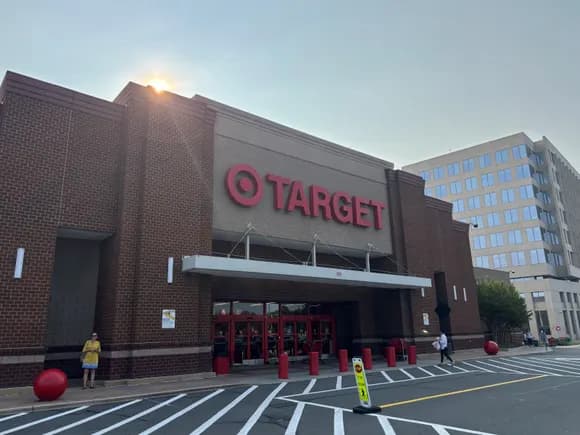
For Target, that shift matters well beyond the beauty aisle. If Walmart is building a service model around trained specialists, Target beauty teams, guest advocates and leaders are likely to feel more pressure to sharpen product knowledge, answer questions faster and guide shoppers with more confidence. In a category where trust can decide whether a guest buys one item or a full basket, the worker who can explain shades, ingredients or routines is becoming more valuable than the one who simply stocks the shelf.
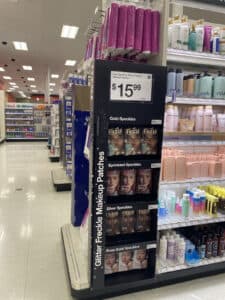
The strategy also points to a larger change in retail labor. The market is rewarding frontline jobs that rely on expertise, not just routine cashiering or replenishment. In beauty, that can mean more cross-training, stronger event execution and tighter merchandising standards, since a specialist-led aisle depends on clean displays, available testers where allowed and enough coverage to keep conversations moving during busy periods. For Target teams, that raises the bar for daily execution and could strengthen the case for clearer training paths, pay progression and advancement opportunities for associates who build real selling skills.
That is especially relevant inside Target stores, where beauty has long been one of the categories that can shape repeat visits and loyalty. A more specialized competitor does not just challenge price or assortment. It changes what guests expect from the experience itself. When a shopper can get a foundation match or a personalized skin-care recommendation elsewhere, Target’s own teams will need to match that service level if they want to keep beauty from becoming a purely transactional aisle.
Walmart’s expansion shows where the industry is heading: higher-touch service, more knowledgeable associates and a bigger premium on frontline expertise. For Target beauty teams, the message is straightforward. Product knowledge is no longer a nice extra. It is becoming part of the job.
This article was produced by Prism’s automated news system from verified source data, official records, and press releases, then run through automated quality and moderation checks before publishing. The system is built and supervised by the people who set the standards it runs under. Read our full AI policy.
Did this article answer your question?