Albertsons uses AI to standardize produce quality checks in distribution centers
Albertsons put computer vision on strawberries and grapes, a sign grocery chains are tightening produce standards before fruit reaches stores.
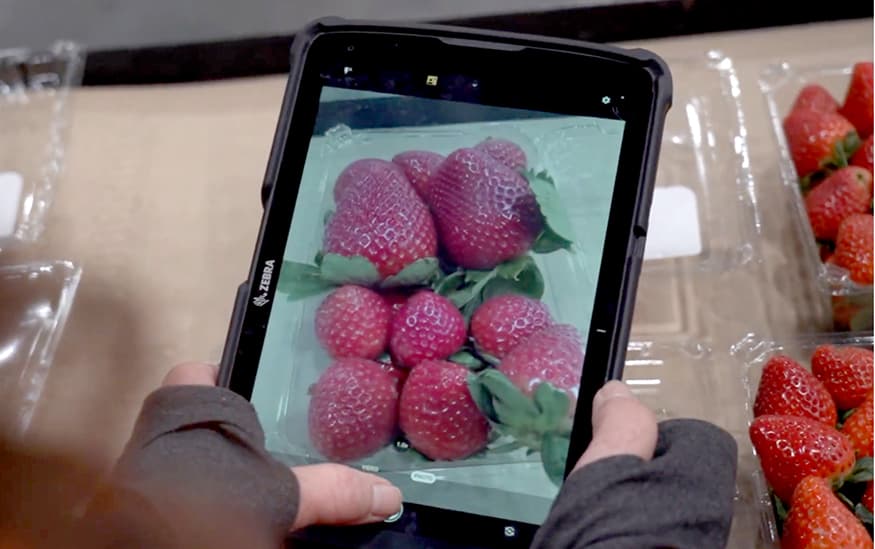
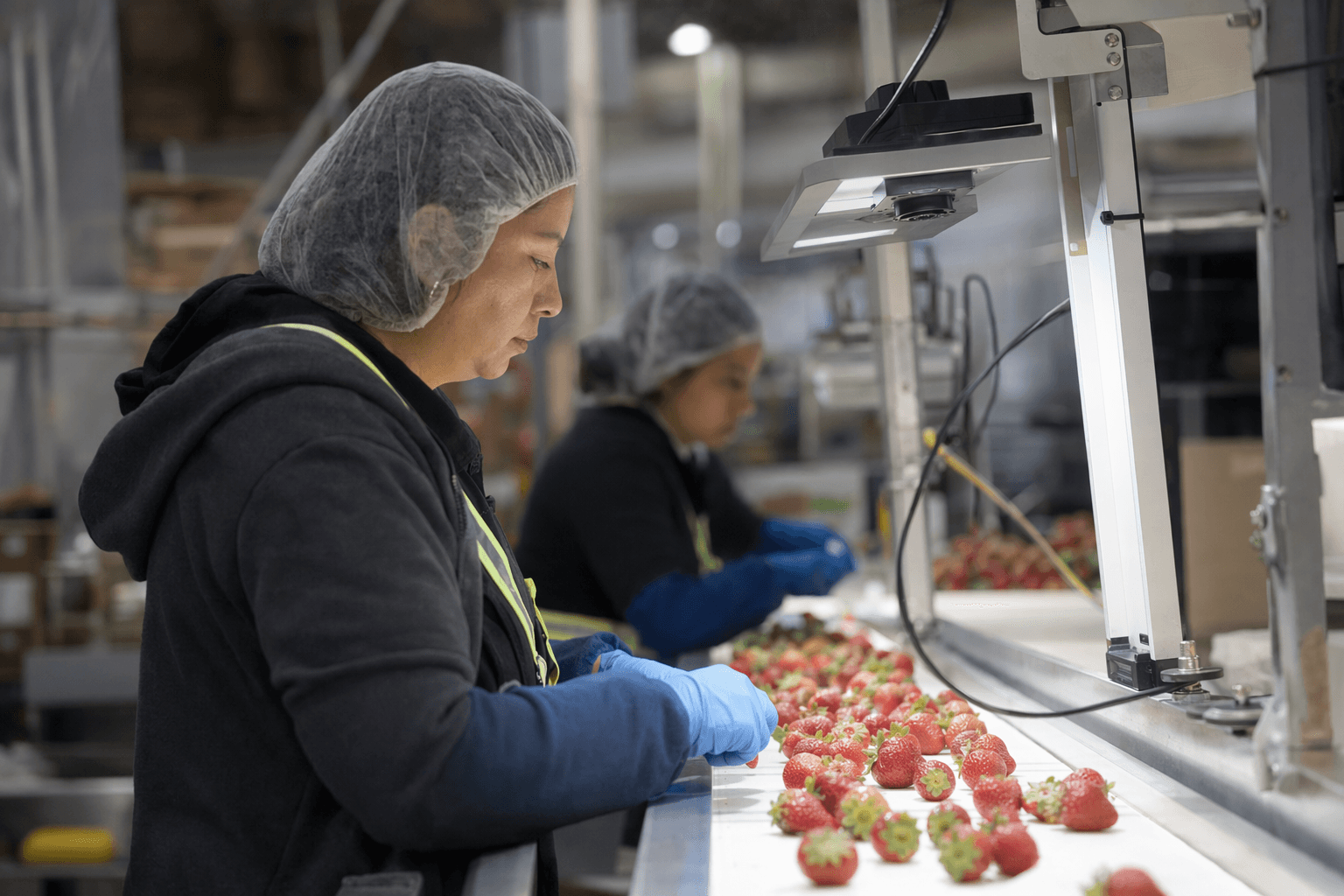
Albertsons has started using a patent-pending AI quality-control tool in select distribution centers to inspect strawberries and red and green grapes before they are shipped to stores, a shift that could push stricter and more standardized produce expectations across grocery supply chains. The system is aimed at reducing the day-to-day variation that comes when different inspectors, shifts and warehouses rely on their own judgment to decide what is good enough to sell.
The tool, called Intelligent Quality Control, uses computer vision and Google Cloud’s Gemini Enterprise, including Vision AI and Gemini models, to evaluate visual characteristics against Albertsons’ quality standards. An inspector feeds an image of produce into the system, which then provides a rating and recommendation. Albertsons said early results improved the consistency of quality ratings and sped up decisions, while executive vice president and chief supply officer Evan Rainwater said the goal is to support inspectors handling highly perishable fruits and vegetables, not replace them. The company said it built the system in-house with help from its technology and supply-chain teams and support from Google Cloud.
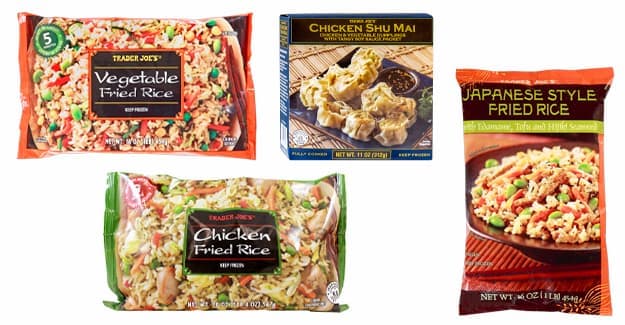
For Trader Joe’s crews, the operational message is hard to miss. Trader Joe’s says more than 80% of what it sells is private label, and its business depends on keeping a tightly controlled assortment looking fresh, curated and worth the premium shoppers expect. Its podcast materials say the chain has 579 stores and more than 67,000 crew members, while CNBC reported it had 505 U.S. stores and an estimated $13.7 billion in net sales in 2019. In a system like that, produce quality is not just a customer satisfaction issue. It reaches into receiving, culling, shrink, and the daily judgment calls store managers make about what stays on the shelf and what gets pulled.
That matters because Trader Joe’s has already faced the reputational and safety cost of fresh-food failures. The Centers for Disease Control and Prevention said the chain sold basil tied to a salmonella outbreak in 29 states and Washington, D.C., and the Food and Drug Administration said the basil was sold from February 1 through April 6, 2024, before Trader Joe’s stopped shipments on April 12, 2024. In 2023, Axios reported six Trader Joe’s products were recalled in five weeks over problems including rocks, insects, metal and undeclared milk, and food-safety attorney Bill Marler said the spike raised quality-control concerns.
Albertsons’ move shows where grocery standards are heading: more data, more consistency and less room for guesswork in back-of-house inspection. For Trader Joe’s, that could eventually mean tighter expectations for the people receiving produce, more formalized training around freshness calls, and more pressure to justify why one shipment passes and another does not. The customer still sees a crew member, but the standard behind that judgment is getting harder, faster and more uniform.
Know something we missed? Have a correction or additional information?
Submit a Tip