Amazon launches 30-minute delivery in dozens of U.S. cities
Amazon’s new 30-minute grocery service is training shoppers to expect faster fulfillment, a shift that leaves Trader Joe’s doubling down on stores, crew service, and in-person discovery.
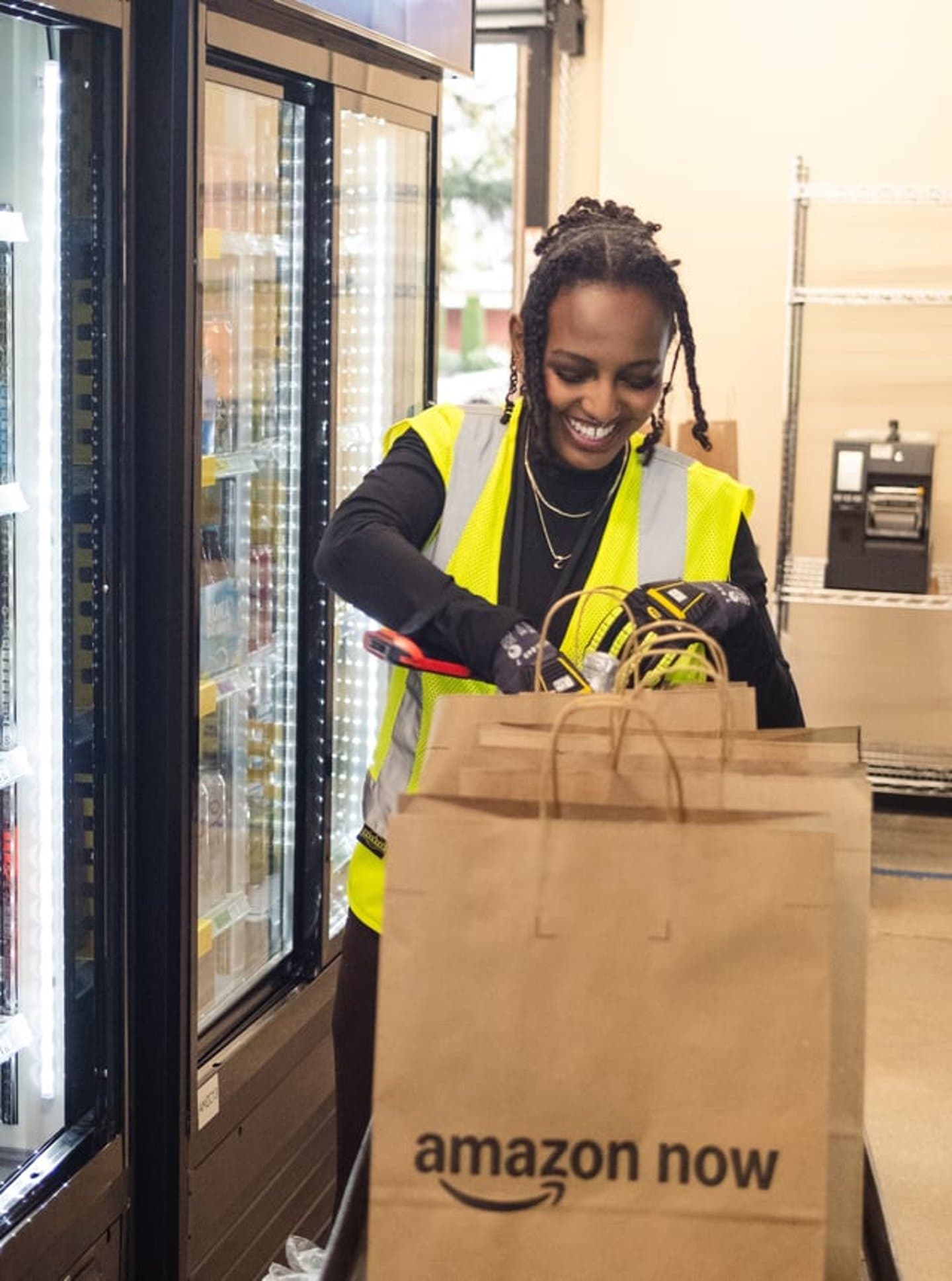
Amazon is pushing grocery expectations another notch higher, rolling out Amazon Now to Atlanta, Dallas-Fort Worth, Philadelphia and Seattle while expanding into Austin, Houston, Minneapolis, Orlando, Phoenix, Denver and Oklahoma City. The service promises delivery in 30 minutes or less on thousands of fresh groceries, household essentials and other locally relevant items, with Prime members paying a discounted fee of $3.99 per order.
The company said the service uses specialized smaller locations in more populated areas, a model built around speed rather than the big-box, stock-up trip. Amazon says Amazon Now is meant to reach tens of millions more U.S. customers by the end of the year, turning convenience into a sharper competitive benchmark for the rest of grocery.
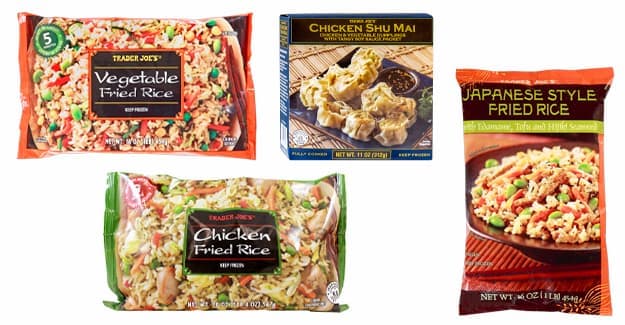
For Trader Joe’s, that matters less as a direct threat than as a new pressure point on what customers think a grocery trip should feel like. Trader Joe’s has long drawn a bright line around its operating model: it does not sell products online, does not offer curbside pickup or delivery, and does not work with third-party delivery services such as Instacart or Dumpling. The chain says it sells only in brick-and-mortar stores and describes itself as a national chain of neighborhood grocery stores committed to outstanding value.
That stance helps explain why Trader Joe’s is unlikely to chase Amazon’s speed play with a delivery pilot of its own. Instead, the company keeps investing in the in-store experience that has defined its appeal for crew members and shoppers alike. That means product curation, aisle discovery, and the human pace of a neighborhood store, not a warehouse-to-doorstep race. As more retailers compress the time between click and doorstep, Trader Joe’s has to keep justifying why a trip into the store is still worth it.
The stakes are practical for workers, too. A faster grocery market can change what customers ask for at the register and what they expect from the floor, even if the daily work still centers on stocking, facing, ringing, and helping shoppers find the right product. Trader Joe’s Neighborhood Shares program also reinforces the chain’s store-based identity, donating 100% of unsold but still fit-to-eat food to local nonprofit organizations rather than routing more volume through delivery networks.
Trader Joe’s is still expanding on its own terms. In a 2025 look-ahead post, the company said it expected dozens of stores to open around the country, and its announcements page shows a Woodinville, Washington, opening scheduled for Friday, May 15, 2026. As Amazon resets the speed standard, Trader Joe’s is betting the neighborhood store itself remains the product.
Know something we missed? Have a correction or additional information?
Submit a Tip