Amazon Prime Day leans into groceries, a new value battleground for Trader Joe's
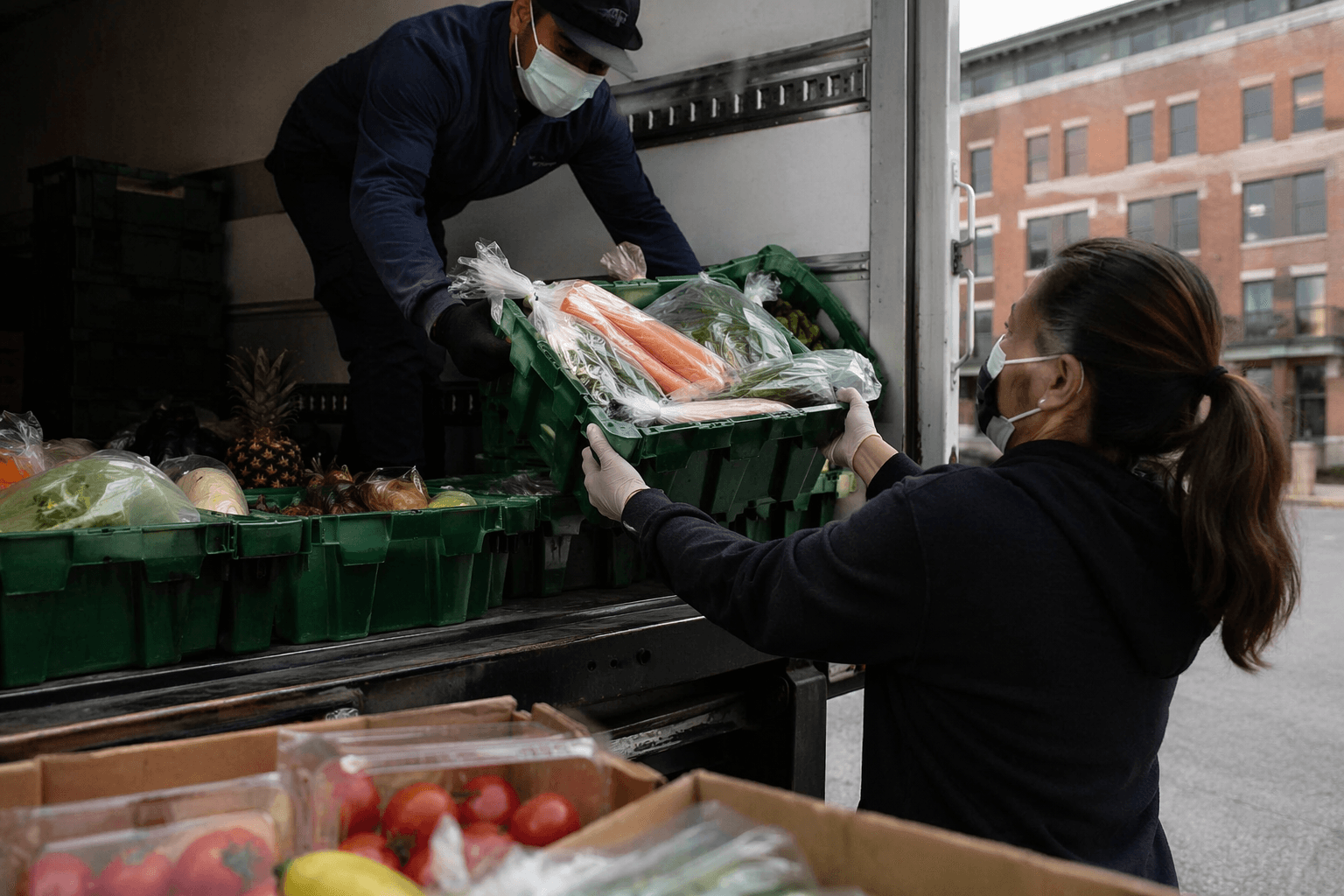
Amazon is turning Prime Day into a grocery pitch, intensifying the value conversation Trader Joe’s crews hear every day on pantry staples and household basics.
Amazon is using Prime Day to push grocery harder than ever. The four-day sale will run from 12:01 a.m. PDT on June 23 through June 26, with millions of deals across more than 35 categories, including fresh groceries and everyday essentials, plus early offers that include a chance to win free groceries for a year.
That matters far beyond Amazon’s app. By putting produce, meats, hot dog buns and other weekly staples at the center of a national promotion, Amazon is training shoppers to think of ordinary basket items as deal territory, not just electronics or apparel. The company has said it kept Prime Day at four days because Prime members browsed and bought throughout the full event last year, a sign that the promotional pressure is now stretching across the entire grocery trip.
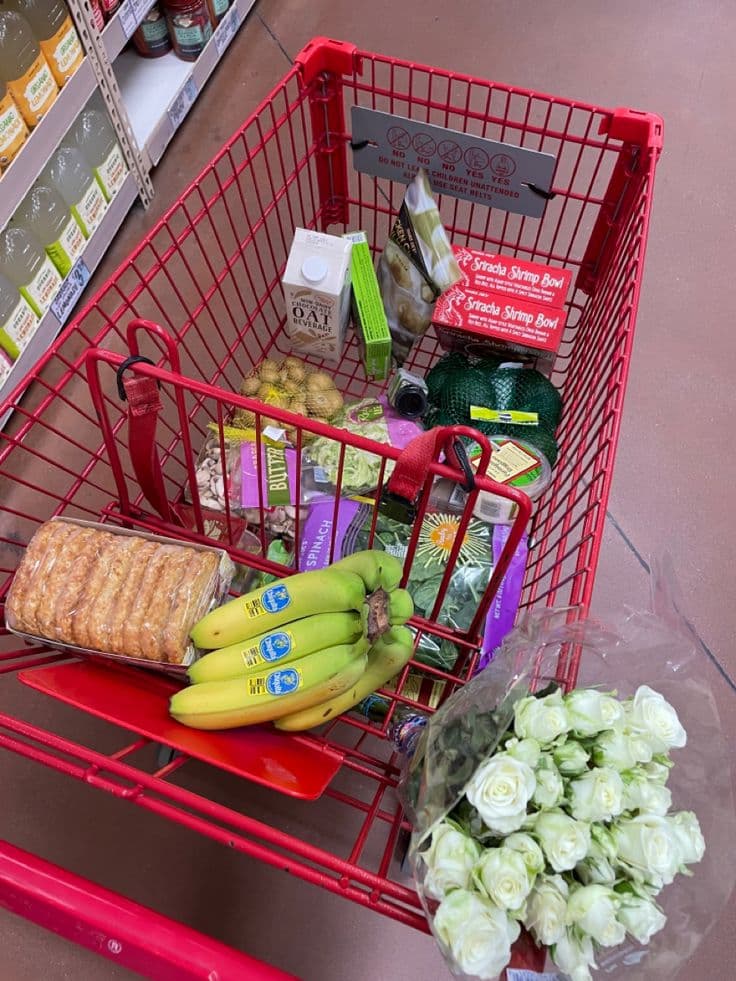
For Trader Joe’s crews, the immediate signal is not that Amazon suddenly became a grocery store. It is that customer expectations around value are getting sharper on the exact items crews talk about every day: pantry staples, household basics and the question of whether a simple meal feels like a smart buy. The comparison is less about one-off splurges and more about whether a cart of basics looks worth it.
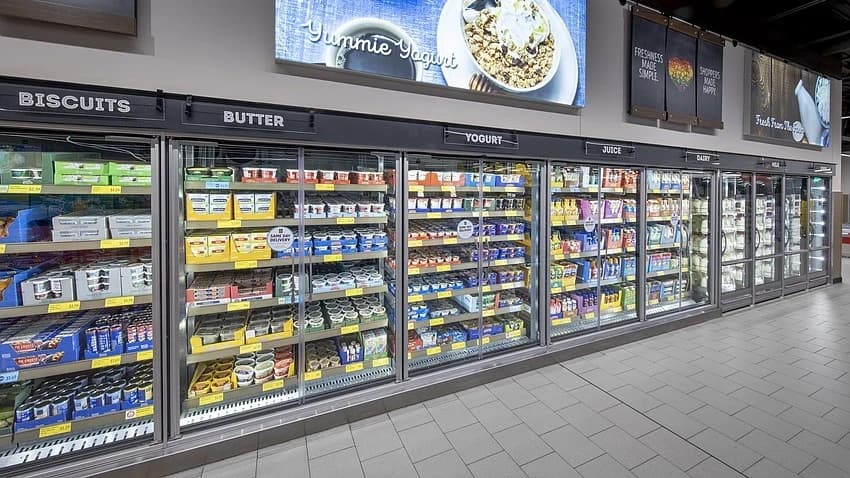
Trader Joe’s has long staked its pitch on a different kind of value story. The company says it does not use sales, coupons, loyalty programs or membership cards, and that more than 80% of what it sells is private label. It also says it buys direct from suppliers whenever possible and frames its assortment around “outstanding value” and “the best everyday prices.” In Trader Joe’s world, that means the value argument has to be clear without a coupon clipping moment to back it up.

The pressure shows up in the conversations on the floor. Trader Joe’s has said crew members often get questions about why there is no loyalty program, which makes price perception part of the daily job, not just a corporate message. Sampling, product storytelling and quick basket-building suggestions stay central when shoppers are deciding whether a jar of sauce, a frozen entrée or a household staple is cheaper, better or simply good enough.
That challenge lands at a scale Trader Joe’s has built over decades. The company says it has operated since 1967, when the first store opened in South Pasadena, California, and third-party store-count tracking placed it at 656 U.S. locations as of May 26. The chain’s discovery-and-fun model still sets it apart, but Amazon’s grocery-heavy Prime Day shows how aggressively the rest of retail is now chasing the same weekly dollars.
This article was produced by Prism’s automated news system from verified source data, official records, and press releases, then run through automated quality and moderation checks before publishing. The system is built and supervised by the people who set the standards it runs under. Read our full AI policy.
Know something we missed? Have a correction or additional information?
Submit a Tip