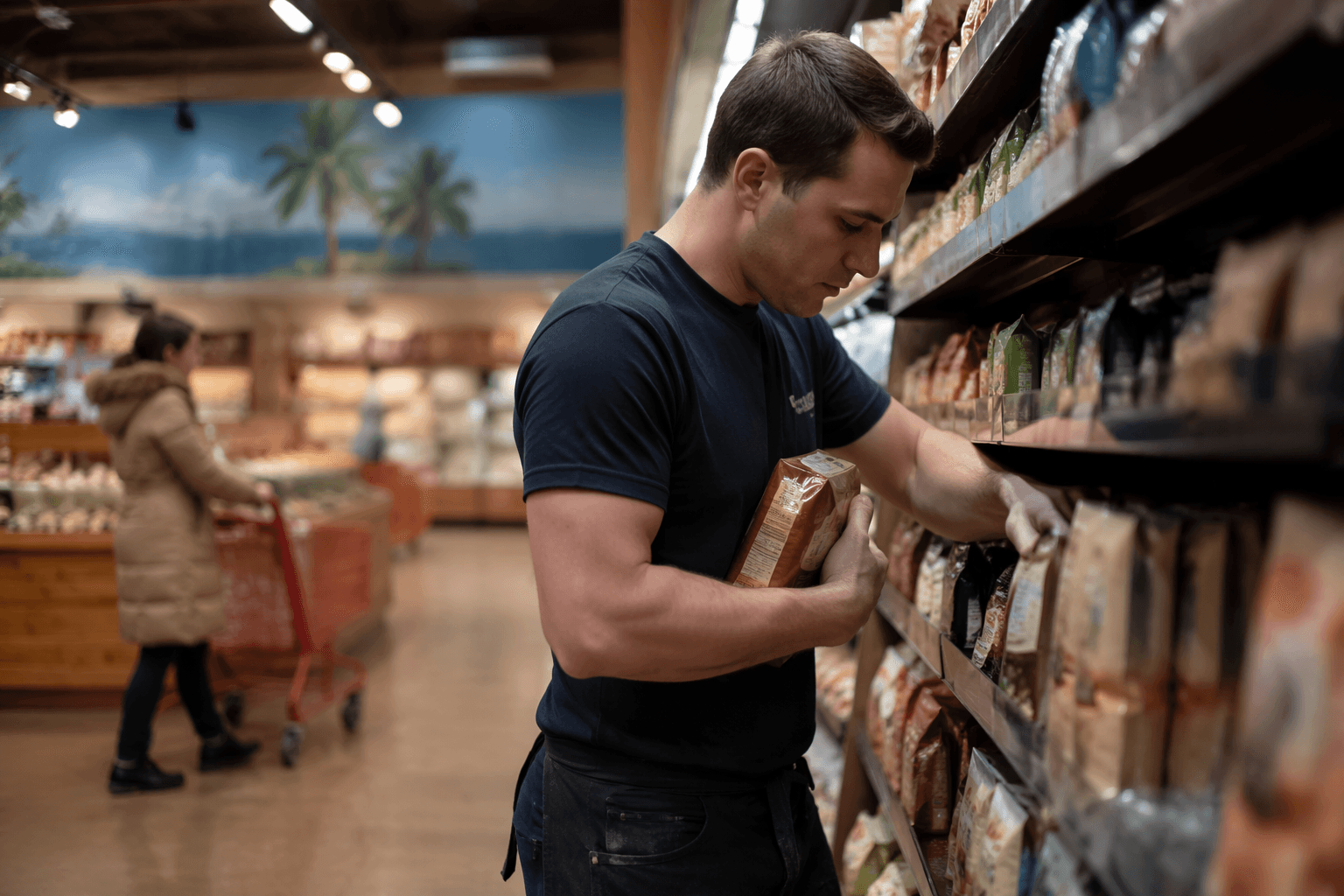
DoorDash sees grocery overtaking restaurants, pressure builds on Trader Joe's stores
Tony Xu said grocery will eventually overtake restaurant orders, and that shift could put more inventory and substitution pressure on Trader Joe’s crews.

DoorDash’s next big bet is grocery, and Tony Xu said the category will eventually overtake restaurant orders, even though he would not say when. What stands between here and there is not just demand, he said, but the messy work of grocery execution: inventory management, order accuracy, easier basket-building, affordable options and a fulfillment system built for grocery rather than restaurant logistics.
That is the part Trader Joe’s crews should watch. The chain still runs a store-first model, with no online sales, no curbside pickup, no delivery and no third-party service partnerships with companies like Instacart or Dumpling. Trader Joe’s says it wants shopping to be “rewarding, eventful and fun,” and describes Crew Members as the people who keep stores safe and inviting, build a warm sense of community and make the shelves legible through informative signage. That model depends on the in-store experience holding up under pressure.
The pressure is likely to come through ordinary tasks that get harder when grocery expectations shift. If shoppers grow used to apps that promise exact items, live tracking and fast reordering, then every out-of-stock item, substitution and missing bag becomes a front-line problem. For managers, that means tighter ordering, cleaner inventory habits and better handoffs between the floor and the back room. For crew, it means more customer conversations about why an item is gone, why a substitute does not fit, or why an order was not ready the way someone expected.
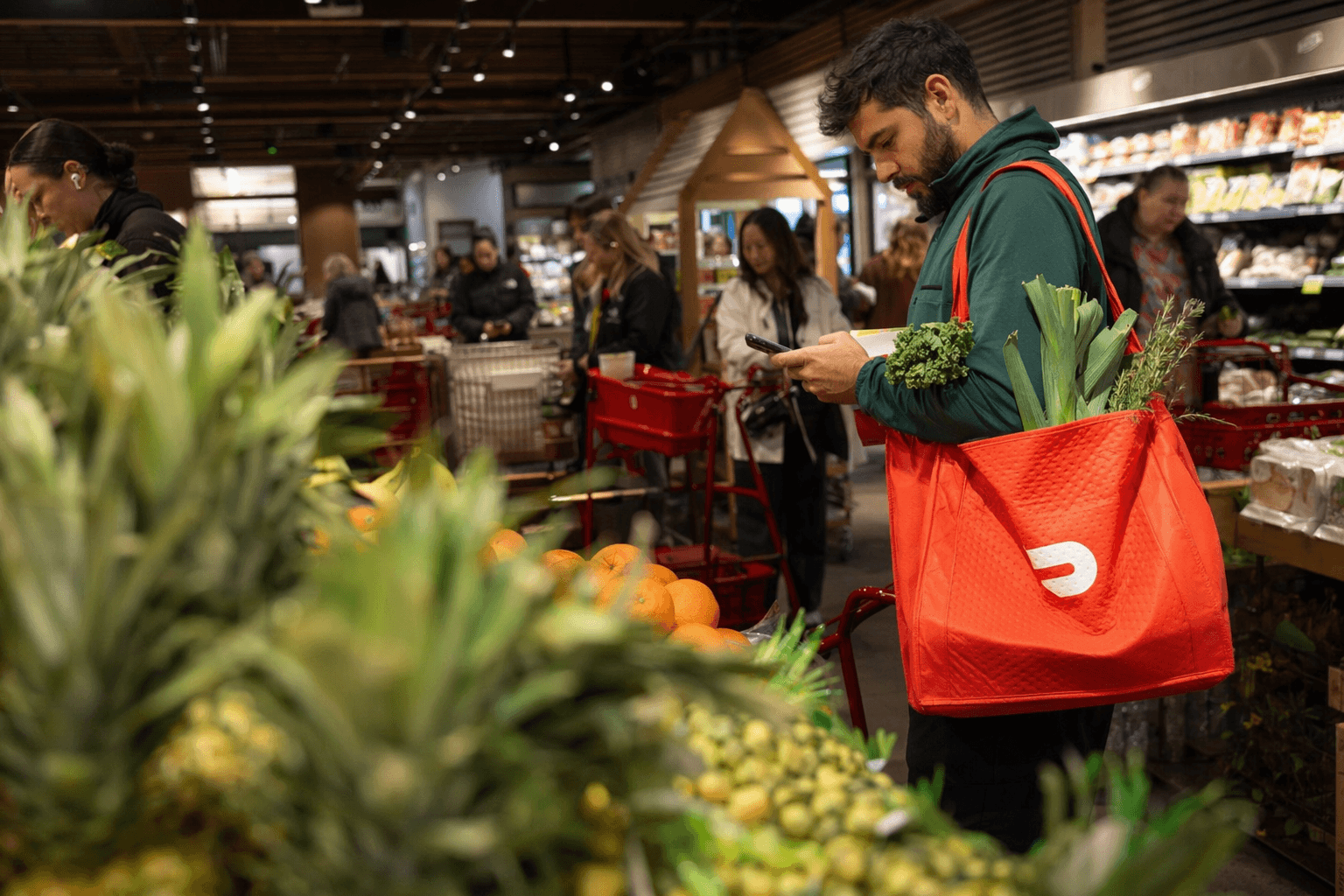
DoorDash has already been moving in that direction. In September 2025, the company said its DashMart Fulfillment Services model handles inventory management, picking, packing and delivery, with logistics run end to end so it can aim for fast, reliable service with near-perfect order accuracy. Xu said DoorDash is building those tools with grocers and retail partners, which signals that the competitive fight is moving away from simple delivery access and toward operational execution.
Trader Joe’s is betting that its brick-and-mortar model still wins. Late-2025 coverage put the chain at more than 600 stores in 40-plus states, after it opened 34 new stores in 2024 and announced eight more locations in early 2026. Visits to the chain’s stores rose 11.9% in the first half of 2025 from a year earlier, while visit share climbed to 15.7% from 13.2% in 2019, according to Placer.ai. That growth suggests the store network remains the company’s core advantage, but it also raises the stakes if grocery shoppers bring delivery-era expectations into the aisle.
This article was produced by Prism’s automated news system from verified source data, official records, and press releases, then run through automated quality and moderation checks before publishing. The system is built and supervised by the people who set the standards it runs under. Read our full AI policy.
Did this article answer your question?