Inflation pressures intensify, Trader Joe's shoppers scrutinize prices and value more closely
April’s 0.49% jump in everyday household prices means Trader Joe’s crew can expect more value questions at the register all summer.
Crew members at Trader Joe’s should be hearing more of the same question all summer: why did this cost more, and what is still a good value? Numerator said prices for everyday household purchases rose 0.49% in April, the largest monthly gain since September 2025, after a flat March and a 0.21% increase in February.
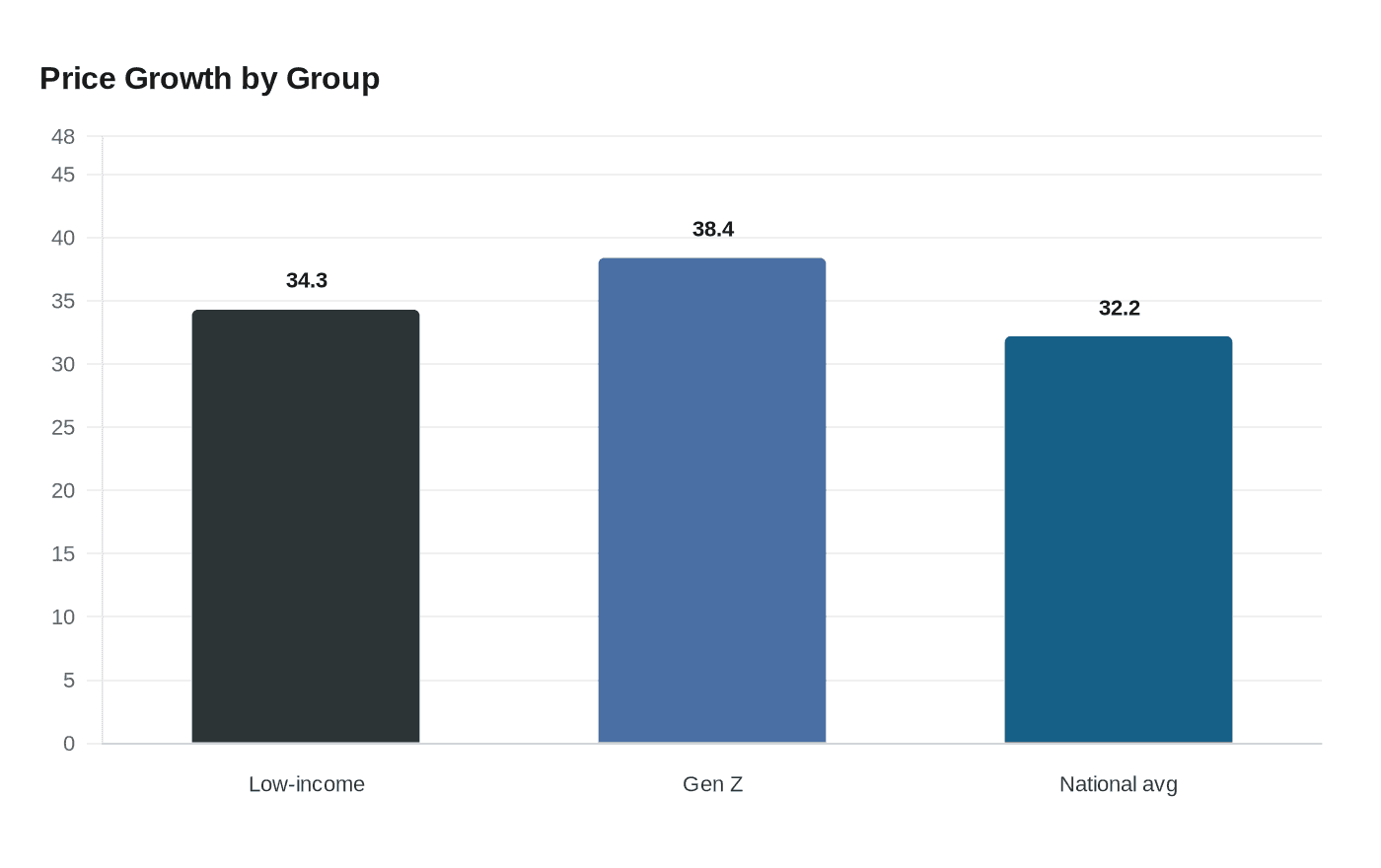
That matters most for shoppers already feeling the squeeze. Numerator said low-income consumers have seen 34.3% price growth since January 2018, while Gen Z shoppers have faced 38.4%, both above the 32.2% national average. Paul Stanley, Numerator’s senior economist, said rising gas prices are adding pressure to household budgets, especially for lower-income households, and warned that tensions with Iran could create more supply-chain uncertainty and put further upward pressure on prices.
For a store built around simple pricing and a reputation for value, that means more comparison shopping at the shelf and more explanation at the register. Crew can expect tighter basket sizes, more frequent trips and more questions about whether a snack, pantry staple, frozen dinner or fresh basic is worth the price. As budgets tighten, shoppers tend to lean harder on private-label items, frozen convenience foods and other lower-cost meal building blocks, especially when they are trying to stretch a weekly shop.
Numerator said its CGPI covers about 20% of the consumption basket in the Personal Consumption Expenditures index and closely tracks the PCE Food & Beverage index, making it a useful early signal for grocery pricing trends. In other words, what shows up in this kind of inflation data is likely to show up soon in the store, where customers are already weighing substitutions more carefully and asking more often why a favorite item is out of stock or whether another option is a better deal.
Trader Joe’s has been pushing its value story even as prices stay sticky. In a December 30, 2024 update, the company said it opened 34 new stores in 2024 and said customers bought more than 13 million packages of Kimbap from its freezers that year. Its announcements page shows a Woodinville, Washington store scheduled to open Friday, May 15, 2026, and a McKinney-West, Texas location listed as now open. The chain also says each store runs its own Neighborhood Shares program and that it supports more than 2,100 nonprofit partners nationwide by donating unsold but still edible food.
Customers still rank the chain highly. The American Customer Satisfaction Index said Trader Joe’s moved into first place among supermarkets on January 29, 2026, with a score of 86 out of 100, up from 84 the year before and enough to edge past Publix. That combination of strong loyalty and tighter household budgets is exactly why the value conversation on the floor is unlikely to fade anytime soon.
This article was produced by Prism’s automated news system from verified source data, official records, and press releases, then run through automated quality and moderation checks before publishing. The system is built and supervised by the people who set the standards it runs under. Read our full AI policy.
Know something we missed? Have a correction or additional information?
Submit a Tip