Trader Joe’s leaders emphasize store support, crew trust, and continuity
Trader Joe’s says stores drive everything, from staffing to promotions, but the union fight shows crew trust is being tested on the floor.
Store first, office second
Trader Joe’s leadership is framing the company as a store-first operation, not a chain run from a distant headquarters. Bryan Palbaum says his job is to work with people in the office and in the stores, focus on great products, take care of crew members, and give them the tools they need to do their jobs. Jon Basalone says his job is to make sure the stores are a wonderful place to work and a wonderful place for customers to shop.
That language matters because it turns a leadership transcript into a management map. If the store floor is where the business really lives, then headquarters is supposed to back it up, not override it. Trader Joe’s reinforces that idea in its own description of a “very small, intensely dedicated, behind-the-scenes Office Crew” in Monrovia, California, and Boston, Massachusetts, with merchandising, marketing, operations, HR, IT, and finance all serving the stores.
The company also ties that store-first identity to its history. Trader Joe’s says it has been transforming grocery shopping into a “welcoming journey full of discovery and fun” since 1967, when its first store opened in Pasadena, California. That continuity is not just nostalgia. It is part of how the company explains itself to workers: the stores are the center of gravity, and the office exists to keep them running.
What that means for daily work
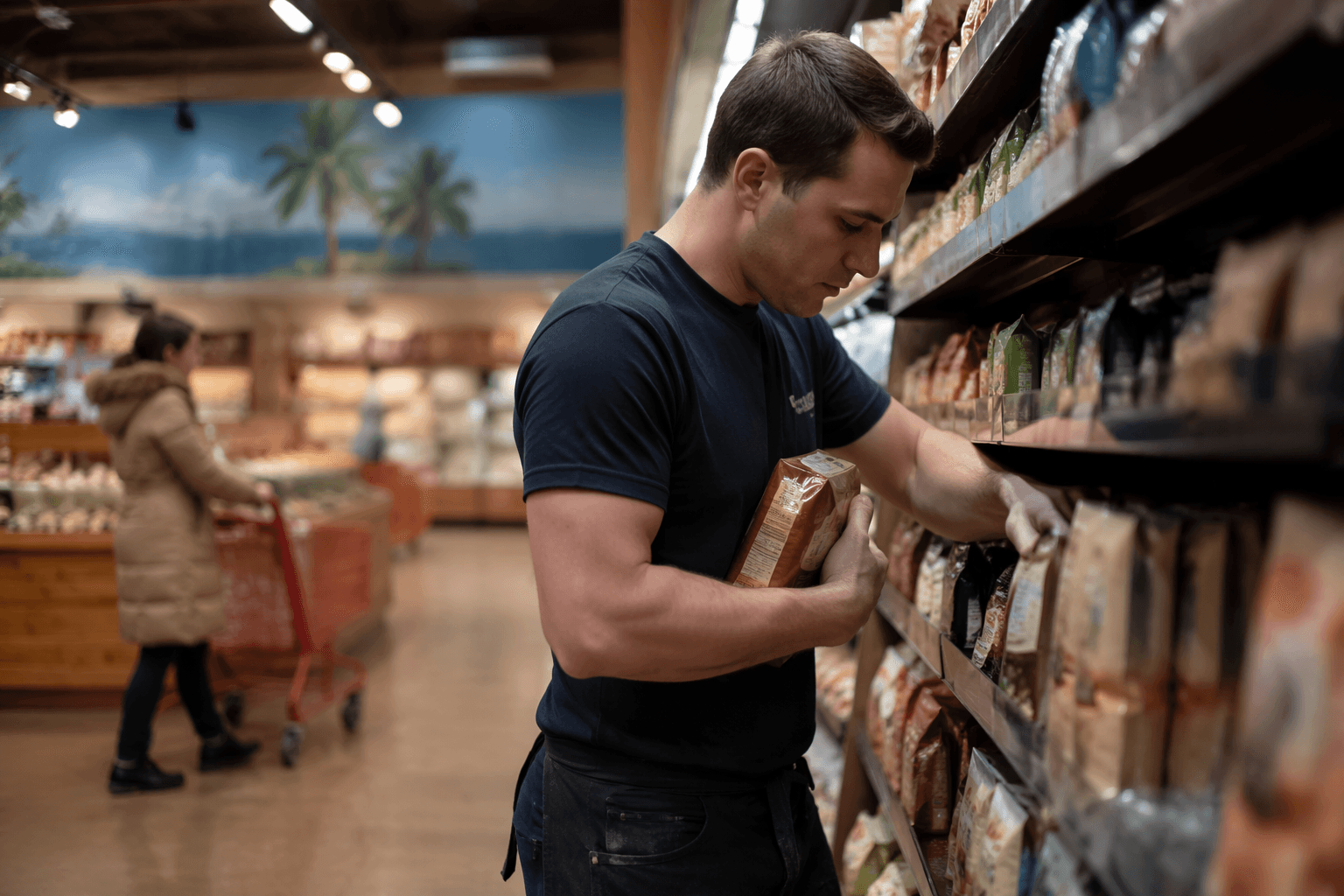
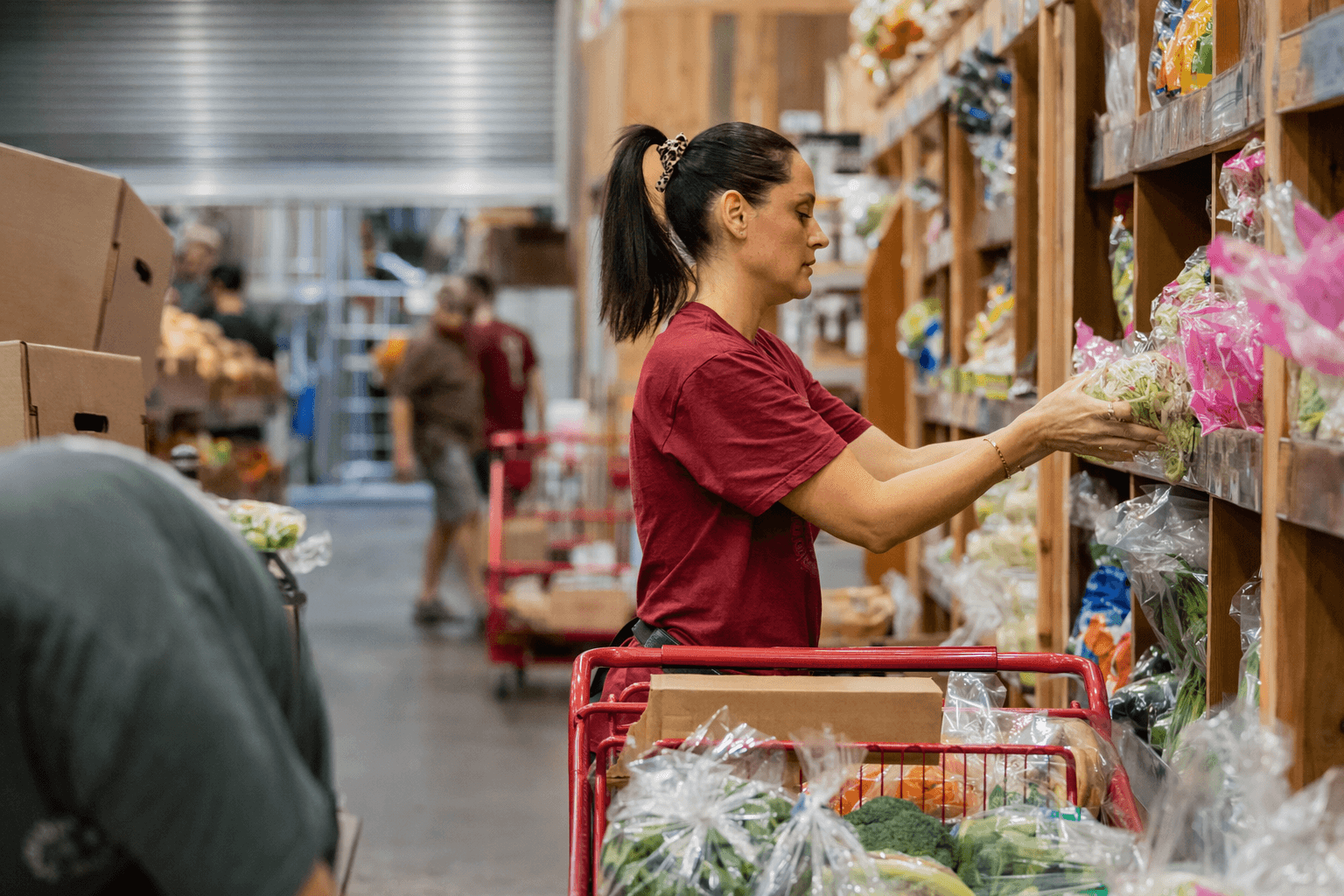
For crew members, this kind of leadership message usually shows up in the basic mechanics of the job. A company that says it wants to empower stores is signaling that staffing, training, merchandising, and problem-solving should stay close to the sales floor. That often means local managers are expected to make quick decisions, crew members are expected to know the product well enough to guide shoppers, and the chain wants store teams to have enough support to keep the day moving.
It also means the customer experience and crew experience are being treated as inseparable. At Trader Joe’s, the ideal store is not just efficient. It is a place where crew members have the tools and trust to run the operation well, while still keeping the shopping trip warm and personal. That is one reason the company’s culture can feel less corporate than many grocery peers: the message from leadership is that the office should strengthen the floor, not replace it.
The company’s recent growth makes that model more important, not less. Trader Joe’s says it opened 34 new stores in 2024 and expects dozens more openings in 2025. Growth on that scale puts pressure on how quickly the company can train new people, spread store knowledge, and keep the same service style as the footprint expands. It also suggests that leadership sees the store-centered model as the engine for scaling, not a boutique relic of the past.
Pay, benefits, and promotion are part of the operating system
Trader Joe’s does not just describe culture in soft terms. It ties the store-first model to concrete worker policies. The company says paid time off increases with tenure, all crew members receive up to a 20% store discount, and eligible crew members can have health plan contributions as low as $25 a month. It also says crew get twice-yearly performance reviews and can receive an average 7% annual increase.
Those details matter because they show how the company tries to keep store work stable enough to build a long-term crew. Higher tenure-based PTO rewards people who stay. The discount makes the job feel more connected to the product. Regular reviews and annual increases create a rhythm for feedback and raises that crew can plan around.
The clearest sign that Trader Joe’s wants to grow from within is its promotion pipeline. The company says 78% of mates started as crew, and 100% of captains were promoted from the mate role. In practical terms, that tells store teams that leadership is supposed to come from the floor, not arrive from outside to manage it. For crew members, the message is simple: if you learn the business, stay in it, and build trust, the company says there is a path upward.
Continuity is part of the pitch
Palbaum and Basalone also represent continuity inside the company’s leadership structure. Palbaum became chairman and CEO effective July 2, 2023, and Basalone was promoted to vice CEO and president in 2023. At the time of that leadership transition, Trader Joe’s said it had 543 neighborhood grocery stores in 42 states plus Washington, DC.
That kind of internal promotion matters in a company that sells itself on trust. It suggests leadership wants to project institutional memory, not churn. For crew members, the implication is that the people making decisions about stores are supposed to understand the operational reality of retail rather than treat it like a remote spreadsheet exercise.
The continuity message also helps explain why Trader Joe’s often speaks about itself as a place with a distinct identity rather than a generic supermarket chain. The store format, product curation, and crew-driven service model are all part of the same story: keep the operation tight, keep the team experienced, and let stores remain the main stage.
The labor question sitting underneath it all
That story is now being tested by union organizing. The first unionized Trader Joe’s store was in Hadley, Massachusetts, where workers voted to unionize on July 28, 2022. By November 18, 2024, that store still did not have a contract, which shows how long the first major organizing drive has stretched out.
Trader Joe’s United says the effort has since added victories in Minneapolis, Minnesota, Louisville, Kentucky, and Oakland, California. The union says it is led by Trader Joe’s crew members, and it has accused the company of declining benefits, stagnating wages, retaliation, and union-busting. That is a direct challenge to the company’s preferred description of itself as a place where crew trust and support flow naturally from the top.
For workers, the clash is not abstract. Trader Joe’s leadership says stores are where the work happens and headquarters exists to support them. The union push asks a harder question: if crew are supposed to be at the center, how much say do they actually have over pay, schedules, discipline, and conditions on the floor?
What crew should take from the message
Trader Joe’s is still presenting itself as a company where the store floor drives the business. The office is described as small and behind the scenes, the leadership team emphasizes continuity, and the company points to promotions, benefits, and tenure-based rewards as proof that it invests in people who stay. At the same time, the unresolved Hadley contract and the spread of new union wins show that some crew members do not experience that system as equally supportive.
The practical takeaway is that Trader Joe’s culture is not just about friendliness or product knowledge. It is an operating model. The company wants stores to run on trust, experienced crew, and internal promotion. Whether that model continues to hold as the chain expands will depend on how well leadership turns its store-first language into day-to-day support that crew can actually feel.
This article was produced by Prism’s automated news system from verified source data, official records, and press releases, then run through automated quality and moderation checks before publishing. The system is built and supervised by the people who set the standards it runs under. Read our full AI policy.
Did this article answer your question?