FDA urges retail food employee health rules, Trader Joe's training focus
Trader Joe's food-safety rules reach every sample station and temperature check, with sick-worker policies and allergen controls carrying real weight on the floor.
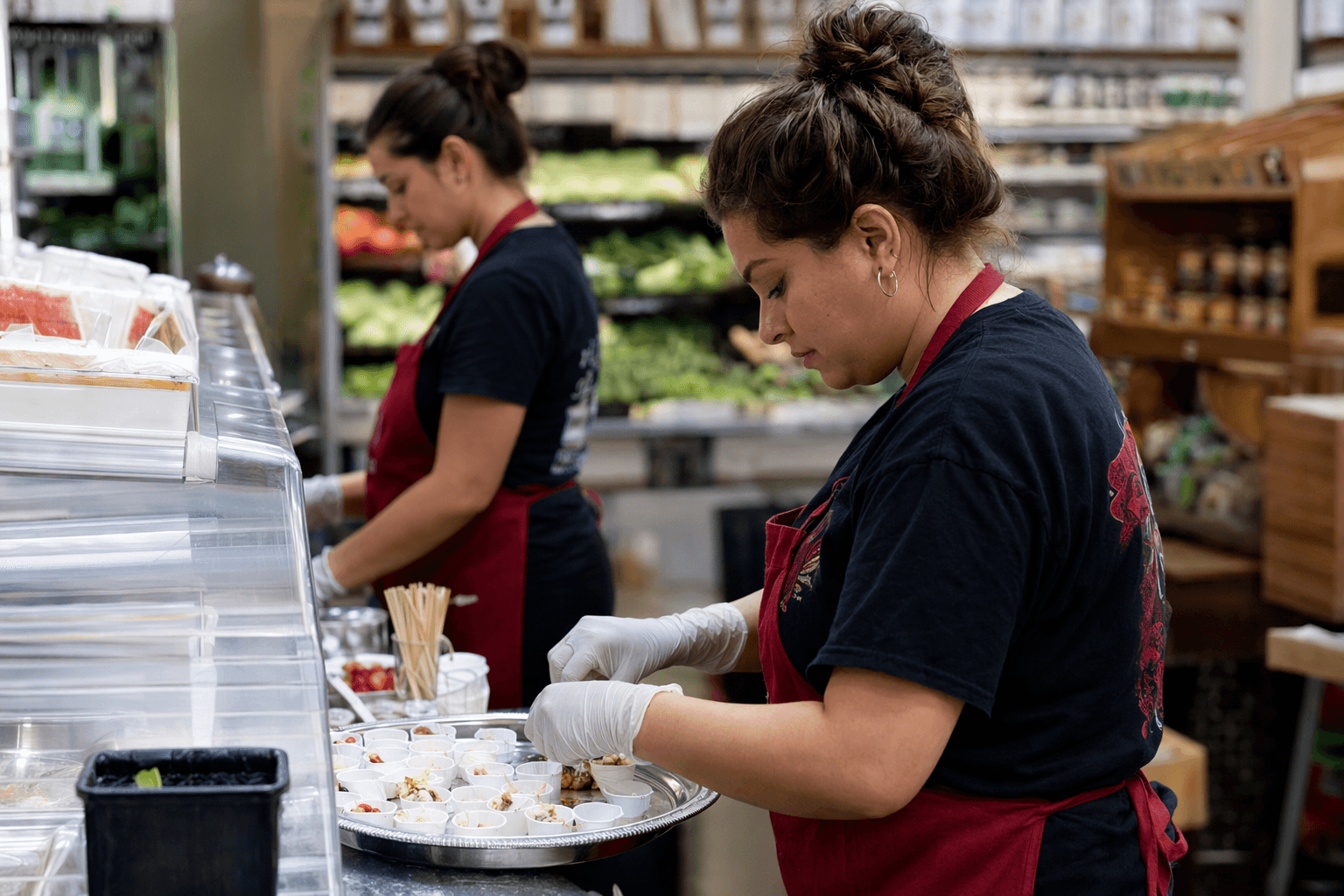
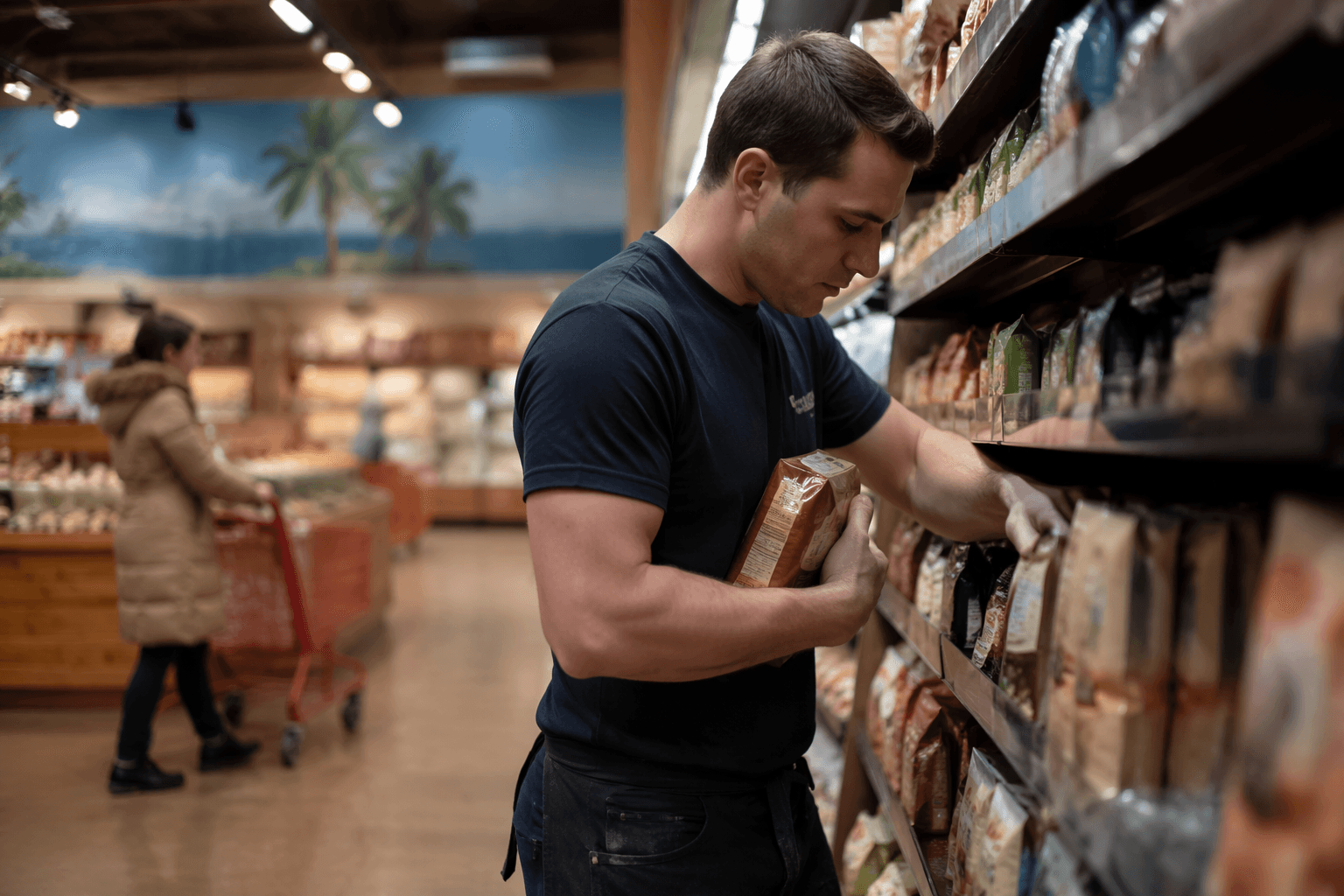
At Trader Joe’s, food safety is not a back-office compliance topic. It is the standard that can shape coaching, discipline, inspections and customer trust on a normal shift, whether a crew member is running samples, checking case temperatures, washing hands, cleaning a prep area or handing off ready-to-eat food.
The U.S. Food and Drug Administration says its retail food protection handbook is meant to help retail food establishments and food employees prevent the spread of disease, with best practices aimed at keeping workers from spreading bacteria and viruses such as Salmonella and norovirus. The Centers for Disease Control and Prevention says norovirus is the leading cause of foodborne illness outbreaks in the United States and causes about half of all outbreaks of food-related illness, which is why employee health rules matter so much in retail food settings.
That is also why the FDA’s current food-safety framework matters on the floor. The 2022 Food Code is the agency’s current 10th edition, and the FDA encourages state, local, tribal and territorial partners to adopt it. Its Employee Health Policy Tool is designed to help managers navigate restriction and exclusion requirements in Part 2-201 of the 2022 code, based on a worker’s role, symptoms or diagnosis. In practice, that means store leaders have to know when someone can work, when someone should be kept away from food, and how to protect customers without improvising.
The basics are not complicated, but they are unforgiving. ServSafe’s food-handler materials cover food safety, personal hygiene, cross-contamination and allergens, time and temperature, cleaning and sanitation. Those are the same pressure points that show up in Trader Joe’s everyday work: sample tables, chilled cases, perishables resets and customer-facing food areas where a small lapse can create a larger problem fast.
Trader Joe’s says food safety is one of its top priorities and that nothing is more important than the health and safety of customers and Crew Members. The company says it does daily work to make sure products meet stringent food-safety expectations, and its recent recalls show how broad those risks can be. In March 2025, Trader Joe’s posted a recall for Hot Honey Mustard Dressing tied to an undeclared-allergen labeling error by Fresh Creative Foods. It later recalled Sesame Miso Salad with Salmon over an undeclared milk allergen. The company has also announced recalls tied to possible Listeria monocytogenes contamination, underscoring that food-safety failures can involve allergens, pathogens and supply-chain partners, not just what happens inside the store.
For crew members and managers, Trader Joe’s internal structure makes the training question even more important. The company says Captains are always promoted from within, 100% of Captains were promoted from the Mate role, and 78% of Mates started as Crew. With store leadership working from the floor and no back offices in stores, food-safety habits get reinforced in real time. That makes employee health, hygiene and temperature control part of the job’s core operating system, not a separate compliance exercise.
This article was produced by Prism’s automated news system from verified source data, official records, and press releases, then run through automated quality and moderation checks before publishing. The system is built and supervised by the people who set the standards it runs under. Read our full AI policy.
Did this article answer your question?