Walmart opens Texas milk plant, adding 400 jobs and boosting dairy supply
Walmart’s new Texas milk plant tightens control over a staple aisle, a move that could sharpen pressure on Trader Joe’s price, availability and private-label promise.
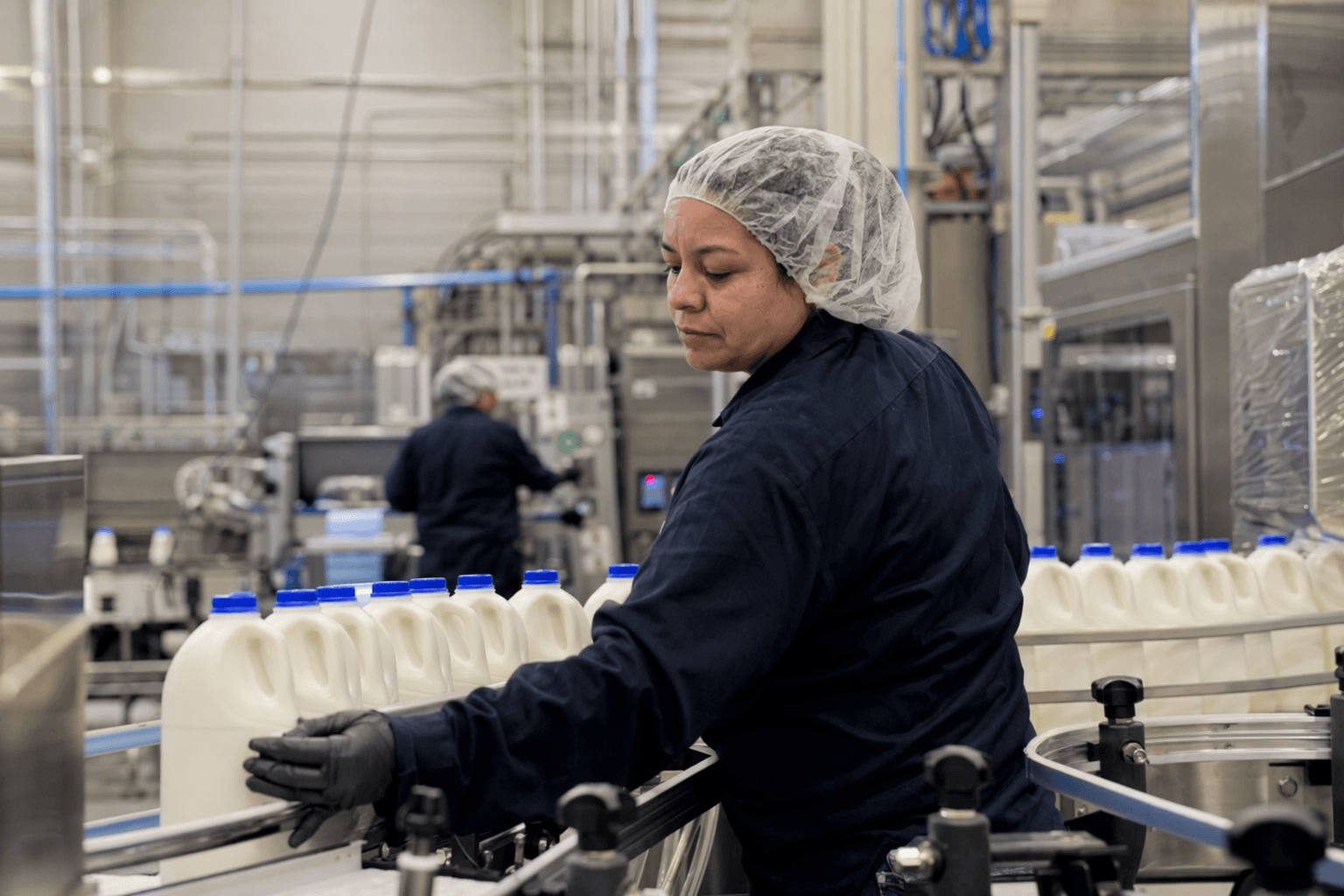
Walmart’s new milk plant in Robinson, Texas, is a reminder that grocery competition is being won deeper in the supply chain, not just on the sales floor. For Trader Joe’s, where dairy is a high-visibility category and private label drives much of the business, the opening matters because a rival is now controlling more of the milk that reaches shoppers, along with the timing, consistency and price discipline behind it.
Walmart opened the Robinson facility on April 29 as its third owned-and-operated milk processing plant. The more than 300,000-square-foot site represents a more than $350 million investment and is expected to create more than 400 jobs. Walmart said the plant will source milk primarily from Texas dairy farmers and supply Walmart and Sam’s Club stores across the South Central U.S., including stores in Texas, Oklahoma, Arkansas, Mississippi and Louisiana. One report put the reach at more than 650 stores.
That is the kind of infrastructure move Trader Joe’s crews rarely see, but feel indirectly every day. Milk is a traffic item, a basket builder and a category shoppers notice immediately when prices jump or a favorite carton is missing. Former Borden chief executive Tony Sarsam has said retailers like low milk prices because milk drives store traffic, which is exactly why controlling more of the supply chain can matter. When a giant retailer owns more of the processing, it can protect margins, reduce dependence on outside processors and smooth out the kind of hiccups customers remember.
Trader Joe’s works from a different model, but the pressure is still real. The company says its private-label products are selected for “great quality fare for exceptional, everyday prices.” Older industry reporting has put private label at about 85% of inventory, while a 2024 retail analysis said private label accounted for 69% of sales. That leaves less room to hide if a core item gets pricier or less reliable, because the brand promise is built on curated value, not a big national-brand shelf as a backup.
The Robinson plant also shows this is not a one-off experiment. Walmart announced the project on March 7, 2024, with a planned 2026 opening. Its first milk-processing facility opened in Fort Wayne, Indiana, in 2018, and Walmart has steadily added more owned production since then. The logic is straightforward: own more of the path from dairy farm to case, and you own more of the customer experience.
For Trader Joe’s, that means the real competition is not just about who opens more stores. It is about who can keep milk, yogurt and other refrigerated staples moving with fewer disruptions, tighter costs and more predictable delivery. Trader Joe’s had about 647 U.S. locations as of April 15, 2026, and its small-format model depends on sharp assortment choices and dependable replenishment. As rivals keep building their own supply networks, that operational bar only gets higher.
Know something we missed? Have a correction or additional information?
Submit a Tip