grocery prices could spike by summer as fertilizer costs surge
Fertilizer and diesel costs jumped after the Iran conflict, and Trader Joe’s could feel it in produce, frozen food and more price questions by summer.
A round of federal scrutiny over fertilizer costs landed in Washington just as grocery teams were heading into summer, and Trader Joe’s could feel it first in customer questions over produce, frozen staples and shelf tags.
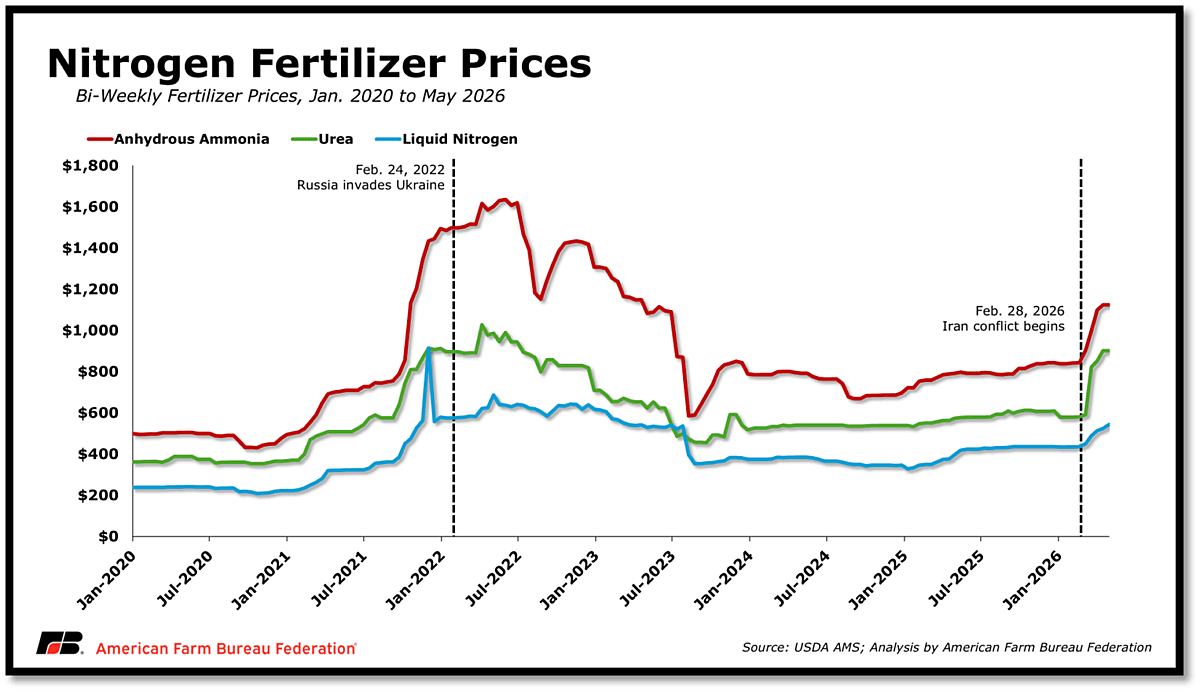
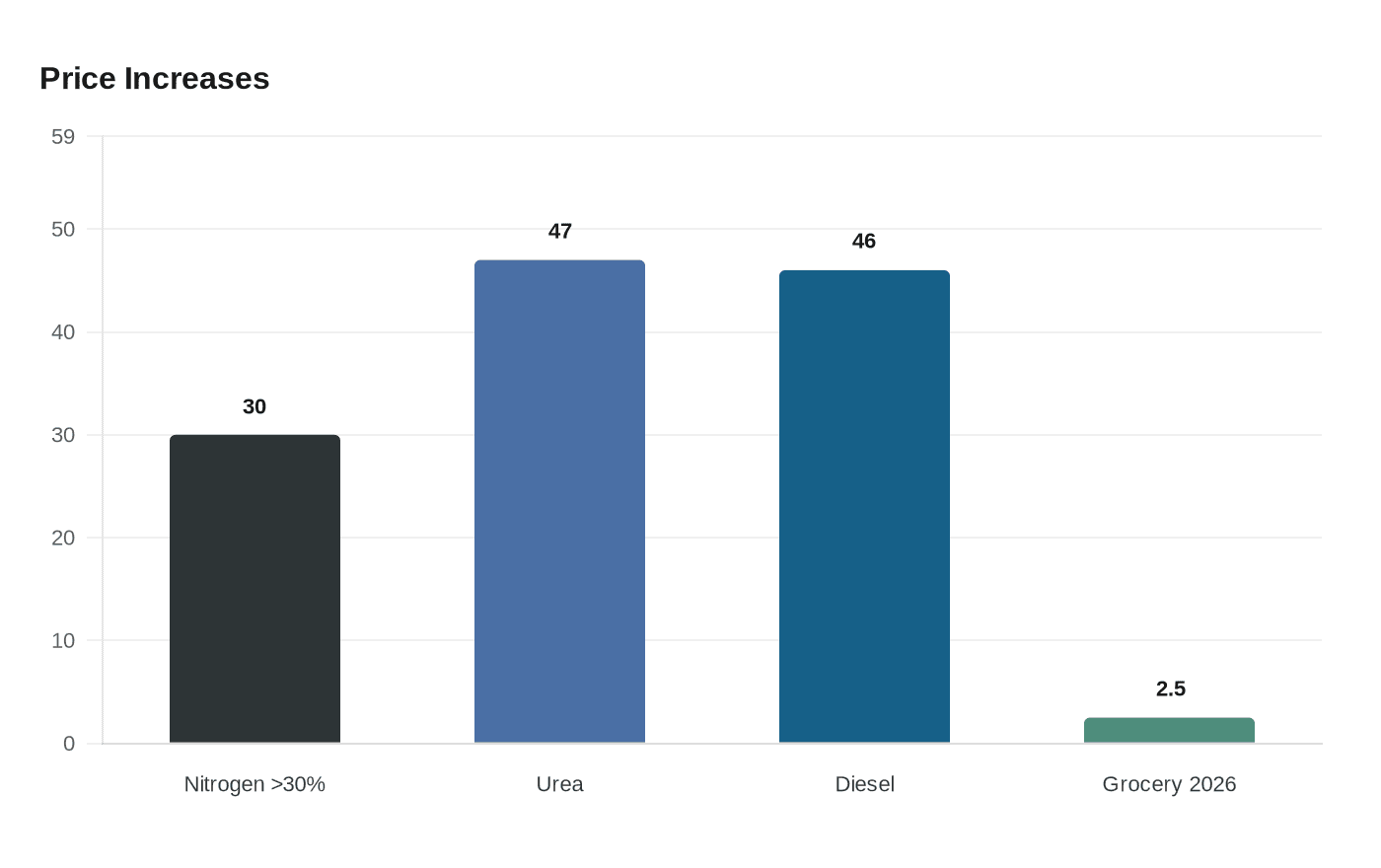
The Senate Agriculture Committee held a hearing Tuesday at 3:00 p.m. in the Dirksen Senate Office Building titled “Perspectives on the Fertilizer Industry: Ensuring a Stable and Affordable Supply for American Producers.” Witnesses included Andy Green, Trent Kubik, Eddie Melton, Corey Rosenbusch and Joshua Westling. The hearing came as fuel and fertilizer costs kept climbing, with nitrogen fertilizer prices up more than 30% and urea up 47% since late February.
The strain is already showing up on farms. In an April 3-11 survey, the American Farm Bureau Federation heard from more than 5,700 farmers, and about 70% said they could not afford all the fertilizer they needed. Nearly six in 10 said their finances were worsening, and farm diesel prices had risen 46% since the end of February. CoBank separately said fuel and fertilizer prices were up 20% to 40% since the conflict began, and estimated higher diesel costs could add about $2,000 in fuel costs per farmer. It also said roughly 25% of American farmers had not secured fertilizer for spring as of late March.
That pressure matters for grocery shelves because fertilizer supply is sensitive to shipping through the Strait of Hormuz, and the cost shocks do not stop at the farm gate. The U.S. Department of Agriculture’s Economic Research Service forecast in February that grocery prices would rise 2.5% in 2026, slightly below the 20-year average of 2.6%, but it also said seven of the 15 food-at-home categories would rise faster than their historical average, including beef and veal, processed fruits and vegetables, cereal and bakery products, and nonalcoholic beverages.
For Trader Joe’s, that means the issue is likely to arrive less as one dramatic jump than as a steady run of small adjustments, substitutions and price questions on the floor. Company leaders have said they are reluctant to raise retail prices, lower prices when costs fall and do not use a rigid cost-plus pricing model. That keeps the chain’s value promise dependent on suppliers, freight and farm inputs it does not control.
Crew members are the first to absorb the friction. When customers ask why a favorite produce item, frozen vegetable or pantry staple costs more, the answer may trace back to fertilizer, diesel and shipping risk long before it reaches a shelf tag. If those upstream costs stay elevated into summer, managers are likely to see more substitution issues and more pressure on the store’s value story, one interaction at a time.
Know something we missed? Have a correction or additional information?
Submit a Tip