How Trader Joe’s history shaped its distinctive workplace model
Trader Joe’s store culture comes from a 1967 model built on curation, private label, and crew-driven service. That still shapes the workday in every store.
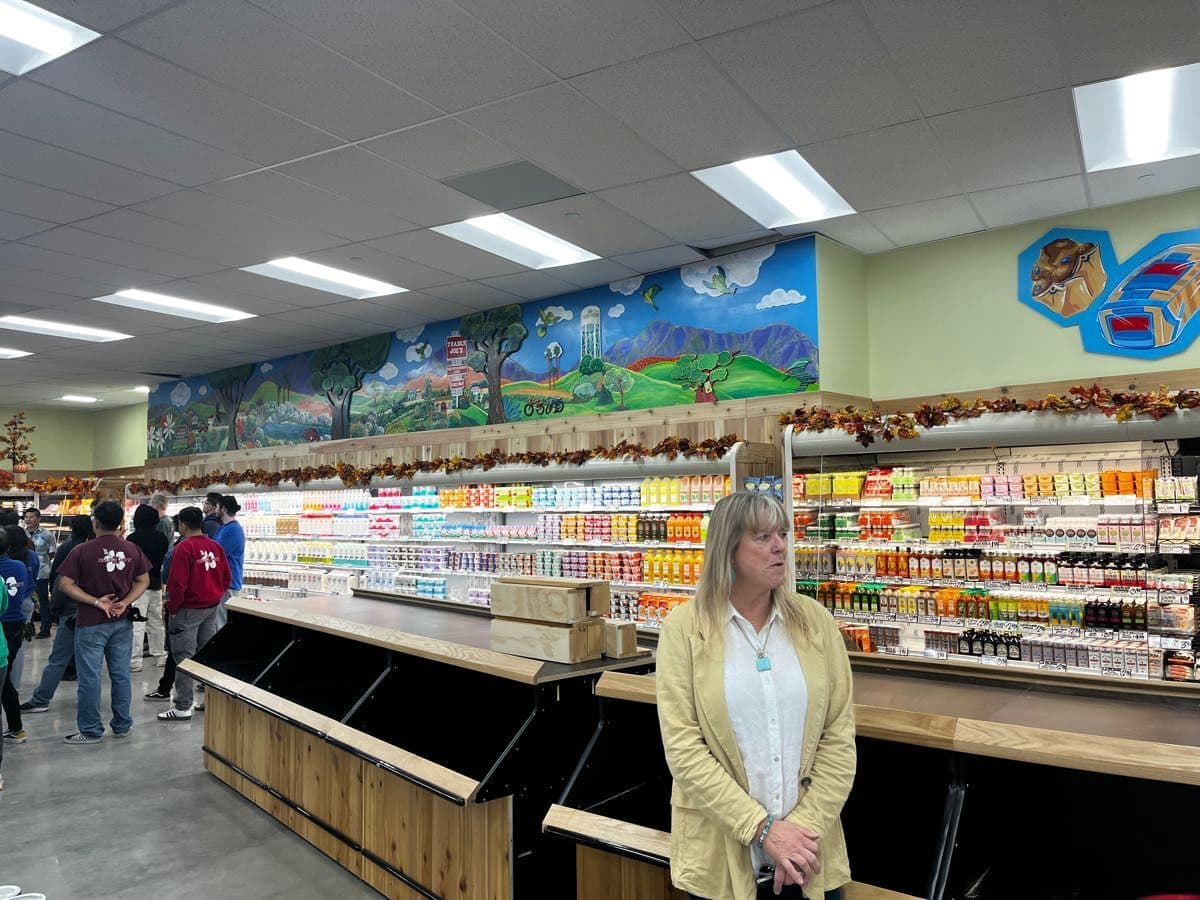
Trader Joe’s workplace model starts with the way the chain was built: a tightly curated neighborhood store, heavy on private label and light on endless choices. That history still shapes the day on the floor, where Crew members are expected to sell products through conversation, not just restock them.
From Pasadena startup to national grocery chain
Trader Joe’s was founded in 1967 by Joe Coulombe in Pasadena, California, after his earlier Pronto Market convenience stores in the Greater Los Angeles area. Business histories of the company trace that origin story to a deliberate retail idea: smaller stores, a narrower assortment, and a more personal feel than a conventional supermarket.
That model later changed hands when Aldi Nord bought Trader Joe’s in 1979. The ownership shift tied the chain more closely to the Aldi family, but it did not erase the original store design Coulombe put in place. Trader Joe’s remained a private company headquartered in California, and that combination of private ownership and a distinctive merchandising formula still defines how it operates today.
Why the product mix changes the job
The chain’s history of private-label merchandising matters because it changes what employees do all day. When a store carries a relatively tight assortment and leans on products that are unique to the brand, crew members are not just stocking shelves. They become product translators, expected to explain what an item is, how to use it, and why a customer might want to try it.
That is a different job from the low-touch scan-and-bag rhythm that dominates many large grocery operations. On a Trader Joe’s floor, the work depends more on quick product knowledge, upbeat conversation, and the ability to answer questions about a rotating mix of specialty items. The store’s curation strategy creates a retail job that is closer to guided selling than silent replenishment.
What “Crew” means in practice
Trader Joe’s careers materials call employees “Crew” members, a label that fits the company’s team-based culture. The terminology is more than branding. It reflects a store environment built around collaboration, customer interaction, and a service style that is meant to feel friendly rather than scripted.
That approach changes the pace of the work. Crew members spend more time talking with shoppers, helping them navigate unfamiliar products, and keeping the floor moving in a way that feels personal. It also builds soft skills that matter well beyond grocery retail: quick thinking, product storytelling, and staying composed during busy shifts.
For many workers, that can be a tradeoff worth making. The job can feel more social and more varied than a typical supermarket shift, but it also demands more constant engagement. The customer-facing model means the store is not simply a place to put merchandise on shelves. It is a place where service, product knowledge, and team rhythm are part of the same job.
Scale, hiring, and the size of the labor force
Trader Joe’s is still a large employer even though it keeps a neighborhood-store identity. One store-count report pegged the chain at 656 U.S. stores as of June 23, 2026, including 208 in California, about 32% of its U.S. total. Company-profile sources estimate the chain has about 50,000 employees.
Its careers site reinforces that scale. One search result showed 208 job listings, and broader career pages show hundreds of open positions. For a private company with a highly recognizable brand, that means the workplace model is not a boutique setup for a handful of flagship stores. It is a national labor system that has to train, staff, and manage thousands of Crew members across a large footprint.
What the model means for advancement and pay
Trader Joe’s reputation for above-market pay sits alongside a store culture that asks more of workers on the floor than a lower-touch grocer usually would. The tradeoff is straightforward: employees get a brand known for better pay and a more distinctive culture, but they are also expected to master a broader mix of service, product knowledge, and customer interaction.
That matters for career development. In a store model where communication and adaptability are part of the daily job, the skills that show up on a shift can be the same skills that matter in advancement. Crew members who learn products quickly, keep the floor organized, and handle customer questions well are building experience that can translate into retail leadership or other people-centered roles.
Trader Joe’s careers materials also make benefits and employment information part of the package it presents to applicants. Combined with the company’s crew-based language and strong store culture, that signals a workplace built to attract people who want more than a standard cashier or stock role.
The lasting legacy of the original formula
The throughline in Trader Joe’s history is simple: the company’s founding choices still shape the work. Joe Coulombe’s Pasadena idea, the Pronto Market background in Greater Los Angeles, the later Aldi Nord ownership, the private-label focus, and the curated assortment all push the same direction. They produce a store where employees are expected to know the product, talk to customers, and work as a team.
For Crew members and managers, that means the job is still defined by the same retail logic that made Trader Joe’s different in the first place. The stores are larger in number, the workforce is broader, and the brand is national, but the daily work still rests on curation, conversation, and a more personal style of grocery selling.
This article was produced by Prism’s automated news system from verified source data, official records, and press releases, then run through automated quality and moderation checks before publishing. The system is built and supervised by the people who set the standards it runs under. Read our full AI policy.
Did this article answer your question?