Instacart opens self-serve ads tools to grocery retailers, including Trader Joe's
Instacart handed retailers their own ad controls, raising the stakes for who shapes grocery baskets before shoppers ever reach the aisle.
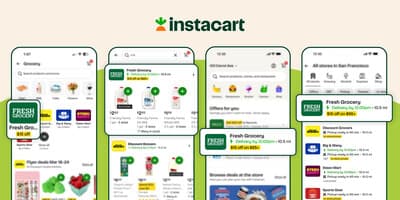
Instacart moved another slice of grocery power into the ad dashboard, letting retailers activate and manage campaigns directly inside Instacart Ads Manager, including self-serve promotions and off-platform capabilities. The company said the update built on more than $1 billion in 2025 ads-and-other revenue and gave retailers the same high-intent reach, optimization, and measurement tools brand advertisers already use.
That matters because grocery retail media has stopped looking like a side project. Industry coverage has described retail media networks as moving from side hustles to strategic engines, and the numbers help explain why. Mars United, citing eMarketer data, said U.S. ad spending was expected to hit $61.2 billion in 2025, while offsite media was projected to grow 42% that year. In other words, Instacart’s new retailer-facing tools were not just a product tweak. They were part of a wider race to control shopper attention before a cart is full.
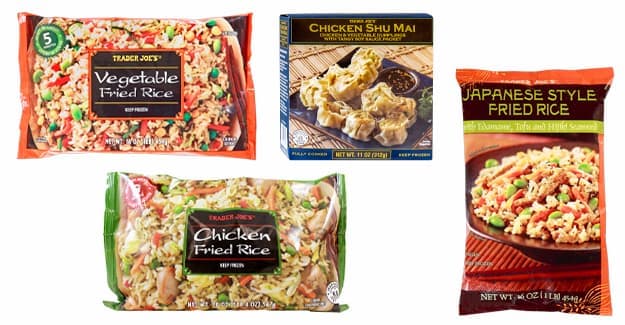
For Trader Joe’s, the shift highlights a different philosophy. The chain says it has no coupons, no discounts, no membership cards and no loyalty programs, and it does not offer special promotions online. Its About Us page says Trader Joe’s buys direct from suppliers whenever possible and that every customer should have access to the best prices every day. That is a very different model from grocers that use apps, personalized offers and retail media to steer demand.
The contrast also shows up in how each model thinks about merchandising. Instacart’s retailer tools are designed to drive engagement, grow basket size and win new consumers. That kind of system can influence which products get visibility, which categories get promoted and which items gain momentum in store after digital exposure. Trader Joe’s has built its brand on curated shelves, neighborhood stores, shopping lists, recipes and crew recommendations instead of loyalty data and paid placement.
That old-school approach remains part of Trader Joe’s appeal, but it also leaves the chain outside the growing digital machinery that competitors are using to shape demand. As more grocers turn retail media into a revenue engine, the gap is widening between ad-driven chains that can monetize shopper intent and a Trader Joe’s model that still treats every shelf as a curated decision rather than a paid bidding war.
Know something we missed? Have a correction or additional information?
Submit a Tip