Shoppers React to Trader Joe's February Launches Including $10.99 Antipasti Platter
Shoppers responded quickly to Trader Joe's February product drop, especially the $10.99 Antipasti Platter, a development that affects store traffic and frontline workload.
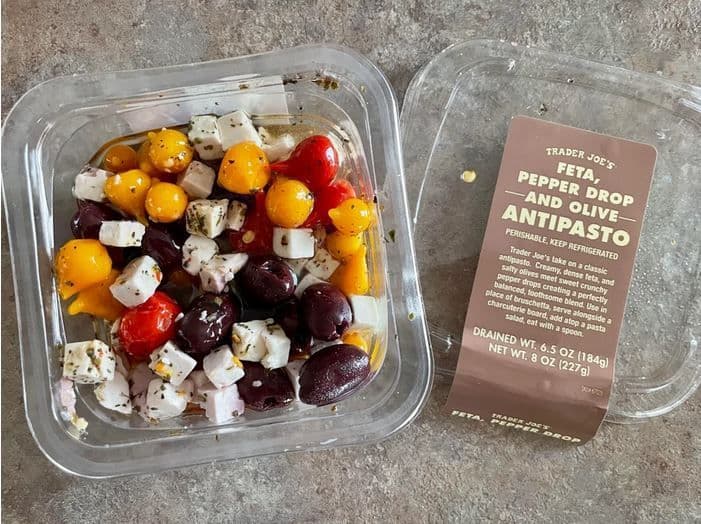
Trader Joe's drew notable customer attention with a February product rollout that included new frozen entrees, snack launches and a ready-made Antipasti Platter priced at $10.99. The platter, positioned as a budget-friendly charcuterie-style option, drove social chatter and shopper visits starting with the early February release on February 3, 2026.
The offerings centered on convenience and value, two factors that shoppers frequently cite when choosing Trader Joe's over larger chains. The $10.99 Antipasti Platter in particular crystallized the value proposition: a single SKU that promises a party-ready spread without the time or expense of assembling one from scratch. New frozen items and snack varieties rounded out the drop, giving customers multiple reasons to visit stores and test seasonal flavors.
For Trader Joe's crew members and store managers, the customer response translated into operational pressure. Popular limited-run items tend to accelerate inventory turnover, increasing the pace of late-night and early-morning restocking shifts and driving higher register volume during peak hours. On days following the release, some stores reported faster sell-through on highlighted shelves, which requires more frequent inventory checks and the redeployment of staff to keep floor displays full.
The product drop also has implications for store-level scheduling and labor allocation. When a single price point or novelty item draws crowds, managers must balance checkout coverage with backroom stocking and merchandising. That can mean adjusting shift start times, reallocating part-time hours to peak windows or prioritizing cross-trained crew members for flexible roles. These tactical changes may produce short-term overtime or additional hours for some employees while creating pressure on scheduling for others.
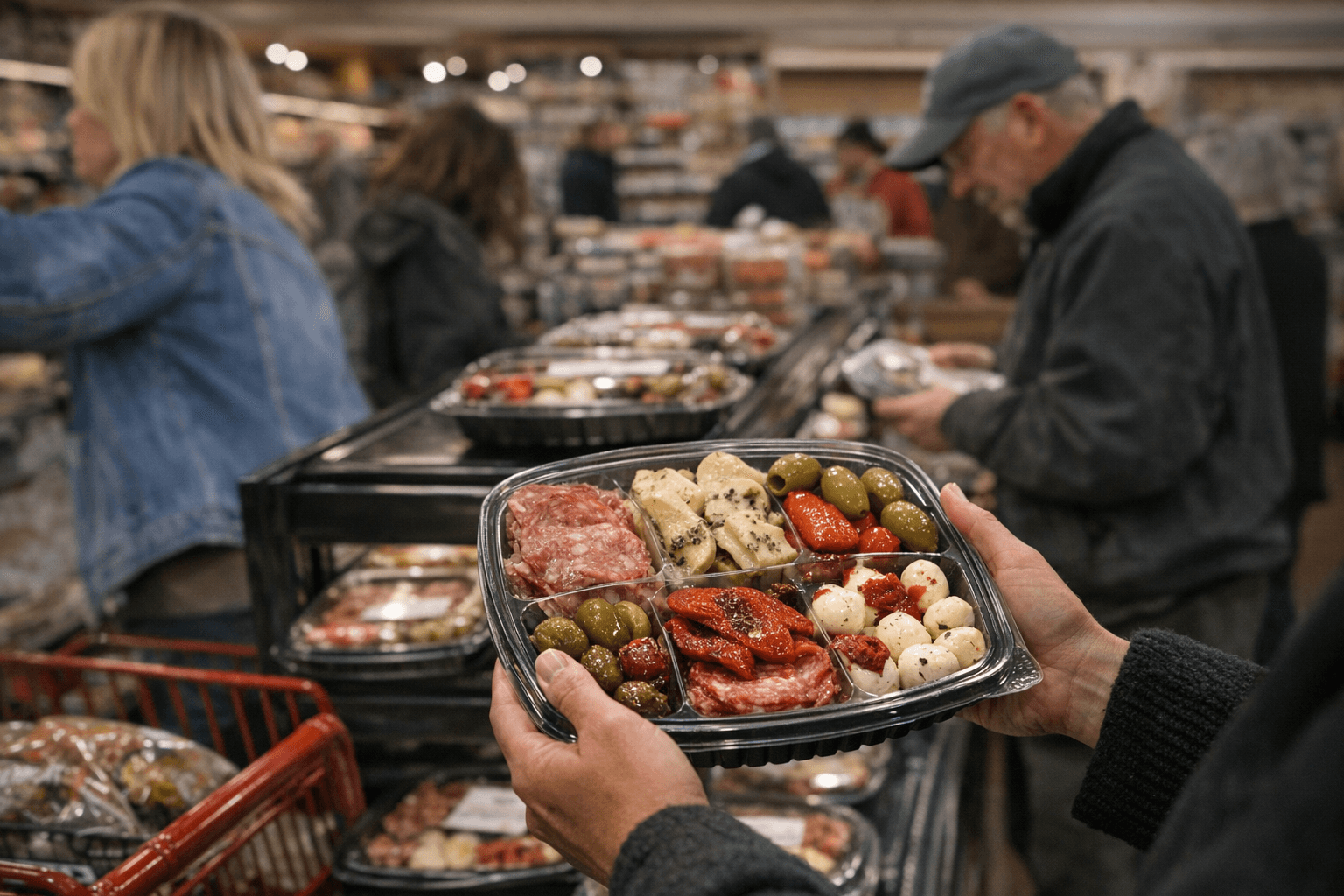
From a loss-prevention and supply chain perspective, high-demand items increase the need for accurate shipments and tight inventory control. Miscounts or delays on replenishment can lead to disappointed customers and more time spent handling returns or customer-service issues. Conversely, successful launches can boost sales metrics and offer managers momentum to justify additional crew hours or temporary hires during promotional periods.
For workers and managers at Trader Joe's, the February launch is a reminder that merchandising decisions have immediate shop-floor consequences. Staff who anticipate restocking spikes, monitor sell-through closely and communicate staffing needs promptly are likeliest to smooth the transition from launch day to steady state. For shoppers, the lesson is practical: expect quick sellouts on limited-run items like the $10.99 Antipasti Platter, and plan visits early if you want the full selection.
Know something we missed? Have a correction or additional information?
Submit a Tip