Trader Joe's crew face sharper shopper questions as price pressure rises
Shoppers are pressing Trader Joe’s crew to prove value item by item, pushing more pressure onto pricing clarity, shelf presentation and product knowledge.
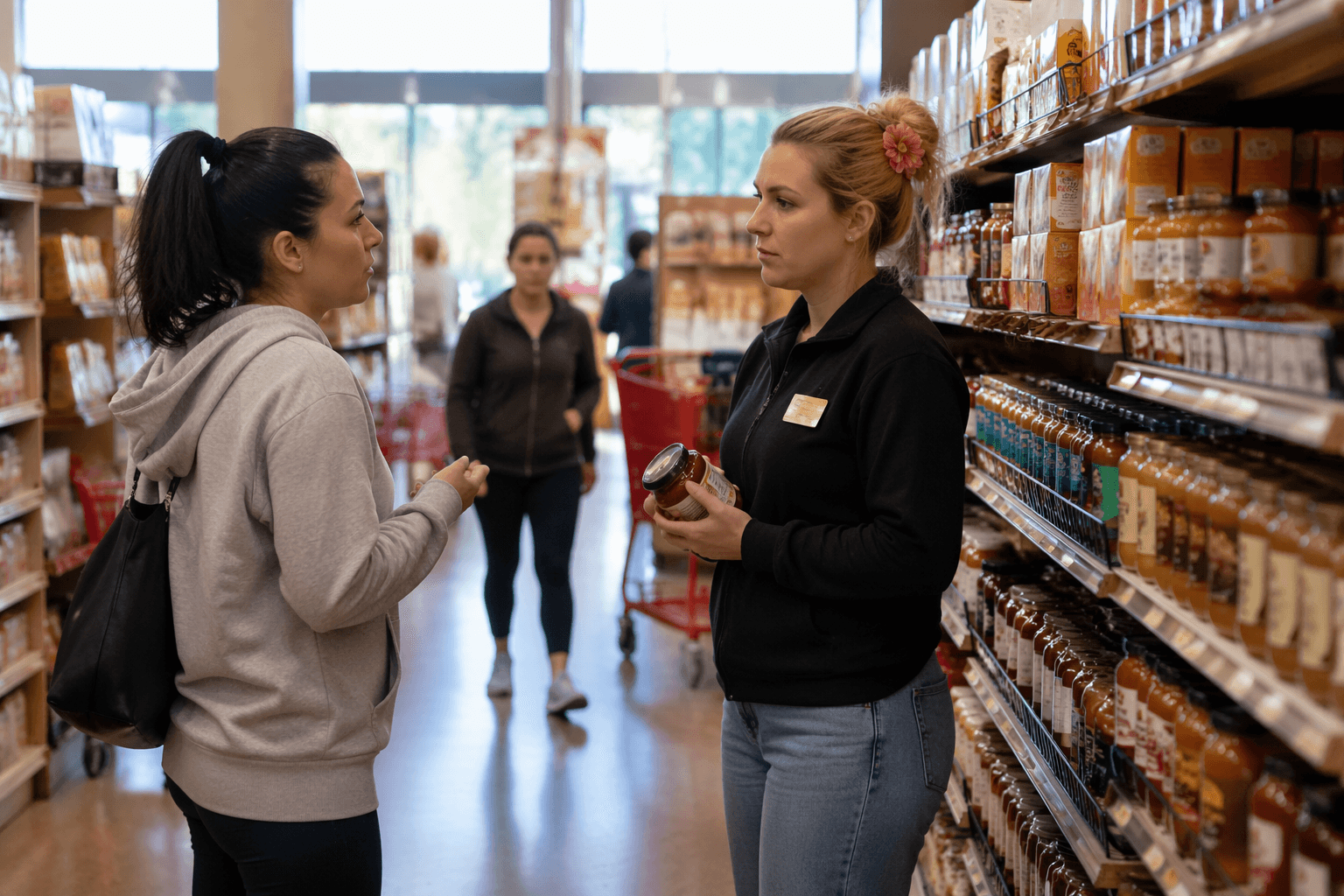
Trader Joe’s crew are getting pulled into a more exacting value conversation as shoppers compare baskets item by item and ask whether each product still earns a spot in the cart. The Consumer Price Index for All Urban Consumers rose 0.5% in May, food at home climbed 0.1% month over month, and the food index was up 3.1% over the past 12 months. For a chain built on curated assortment and upbeat service, the harder task now is proving value on the floor without making the store feel stripped down.
Trader Joe’s says it is committed to “outstanding value” at “best everyday prices,” and its model is built to support that claim. The company says it does not run sales, coupons, loyalty programs or membership cards. Instead, it says it buys direct from suppliers whenever possible, buys in volume, contracts early for the best prices and sends each product through a tasting-panel process that weighs quality against price.
That value promise is landing in a chain that is still growing. Trader Joe’s had about 637 stores across 42 states and Washington, D.C., while the company had announced 30 yet-to-open locations since the start of 2025 and 12 openings so far this year. JLL data cited with Placer.ai showed Trader Joe’s leading supermarket retailers in foot-traffic growth in 2025, up 10.4%, which gives store managers a reason to keep the floor moving even as customers scrutinize what they buy.
The pressure is especially clear in private label. Numerator data said Trader Joe’s led all grocers in private-label unit sales at 79% of total unit sales, and another analysis placed Trader Joe’s and Aldi as the two retailers most reliant on owned brands, with Trader Joe’s at over three-quarters of overall sales volume. That makes shelf presentation and product knowledge part of the labor equation: crew members are not just ringing up groceries, they are explaining why an olive oil bottle, a staple item or a seasonal snack deserves the basket space.
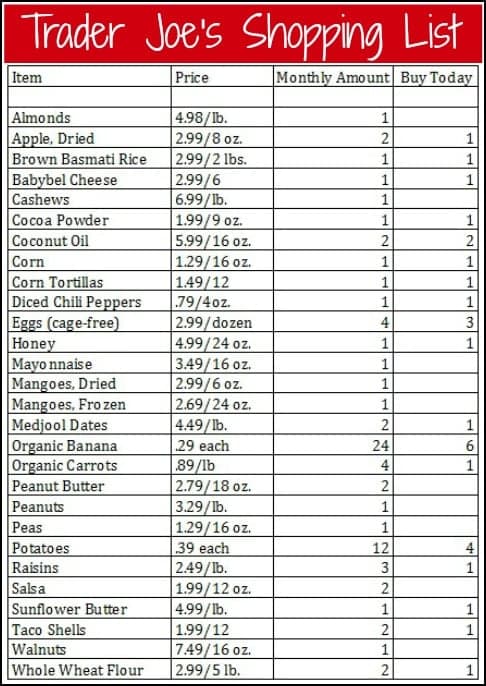
Trader Joe’s has been blunt in its own pricing explanation that retail prices change when costs change, and it used olive oil as an example, pointing to drought and heat in Spain as supply pressure. The company also said in a September 5, 2025 seasonal post that its “guarantee of value” remains constant across its products. For crew on the floor, that means the daily work is less about defending a single price and more about making value feel obvious, from clean shelf tags to steady product recommendations.
This article was produced by Prism’s automated news system from verified source data, official records, and press releases, then run through automated quality and moderation checks before publishing. The system is built and supervised by the people who set the standards it runs under. Read our full AI policy.
Know something we missed? Have a correction or additional information?
Submit a Tip