Trader Joe’s crew members face new rules on schedule changes
Last-minute shift changes can trigger notice or premium pay rules, and Trader Joe’s crew coverage depends on the city or state where you work.

A manager’s last-minute shift change can trigger advance-notice rules, premium pay, or limits on on-call work. For Trader Joe’s crew members, a schedule can shape a week. A shift change can scramble child care, school classes, second jobs, and transportation. That is why predictive scheduling laws matter on the floor, not just in HR.
What predictive scheduling means on the floor
Predictive scheduling laws, also called fair workweek laws or secure scheduling rules, are built to cut down on unstable retail hours. Across the jurisdictions that have adopted them, workers should not be left guessing when they will work, then absorb the cost when the schedule changes late. That can mean advance notice of posted schedules, extra pay for canceled or shortened shifts, pay for changes made inside a protected window, and restrictions on on-call scheduling.
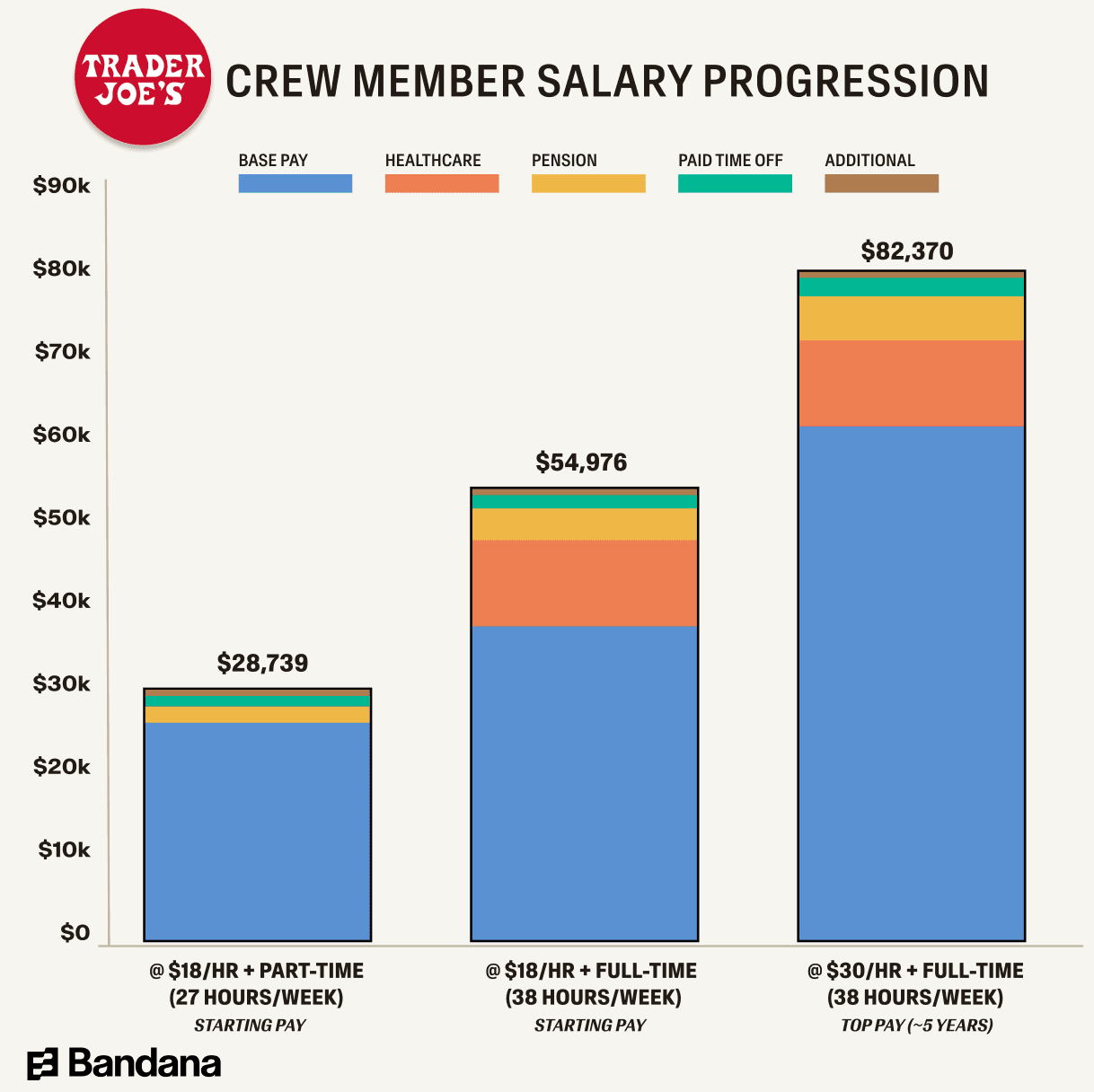
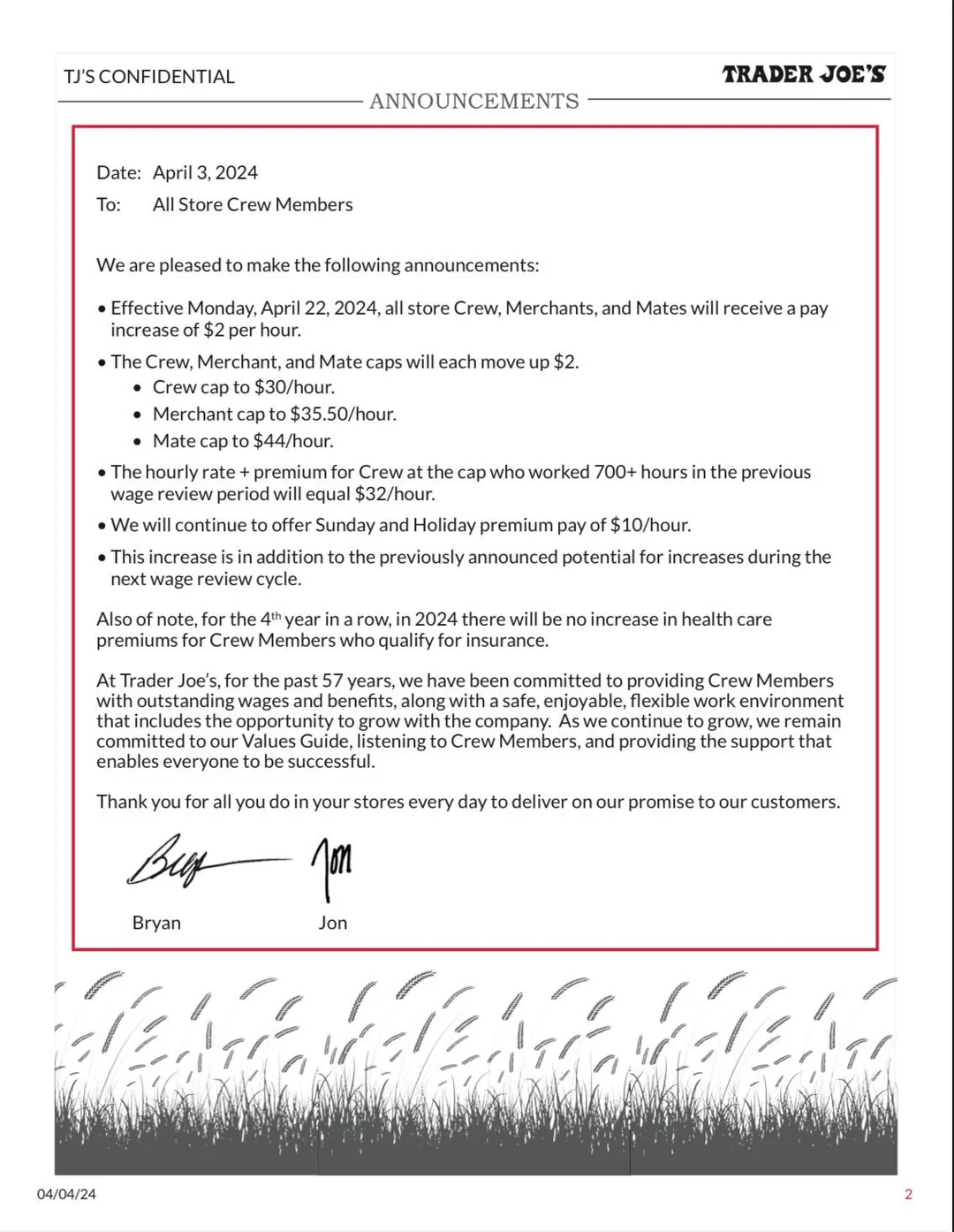
For Trader Joe’s, that lands in a very real way. Grocery stores run on tight labor budgets, traffic spikes, seasonal rushes, and staffing changes that can happen fast. The company’s above-market pay and crew culture are real strengths, but they do not erase the practical problem of not knowing whether you can plan around a shift until the last minute.
Where Trader Joe’s crew may be covered
Coverage depends on where your store sits, not on the brand name on the apron. A Trader Joe’s in New York City can face a different schedule rulebook than one in Chicago, and a store in Oregon can face a different standard again. That means both crew and managers need to know the local rules before the schedule is posted, not after somebody asks for a swap.
In New York City, retail employers must give 72 hours of advance notice for work schedules. The city’s fair workweek rules for retail also tie late schedule changes to predictable-workweek protections, so a change that lands inside the protected window can carry a pay consequence. For a crew member, that matters any time a posted shift gets moved, cut, or added too late to plan around.
Chicago goes further on notice. Covered retail employers there had a 10-day notice requirement that increased to 14 days on July 1, 2022, and the city’s updated rules took effect June 1, 2026. Chicago’s fair workweek framework also includes one hour of predictability pay for any shift change within 14 days, along with the right to decline previously unscheduled hours and the right to rest.
Oregon has a statewide predictive scheduling law, but it does not cover every employer. The state’s rule applies only to retail, hospitality, and food services employers that have at least 500 workers worldwide. Temporary or leased workers and exempt salaried workers are not covered. If the law applies at your store, the schedule must be given in writing at least 14 calendar days in advance, posted and easy to see, and it must include all work shifts and on-call shifts.
A crew checklist for schedule changes
If your schedule keeps moving, the first question is not whether the change feels unfair. It is whether your location is covered by a local fair workweek law and, if so, what the exact notice rule is. The second question is whether the store made the change inside the protected window, because that is where premium pay or other remedies can kick in.
Use this checklist when a schedule changes:
- Was the schedule posted with the amount of advance notice the local law requires?
- Did a manager add, cancel, shorten, or move a shift after the protected window closed?
- Were you asked to work hours that were not on the written schedule?
- Were you sent home early without the compensation the local rule requires?
- Did the store rely on on-call scheduling where the law limits it?
- Did the change make you lose rest time between shifts that the law protects?
If the answer to any of those is yes, the next step is to compare the practice to the rules in your city or state. Fair workweek laws often require detailed records, and penalties for non-compliance can be significant.
What managers need to build into the schedule
For managers, the challenge is practical: Trader Joe’s stores have to balance labor budgets, customer traffic, and service levels without improvising past the legal line. That means building schedules with enough cushion to handle demand spikes without treating late changes as routine. It also means training team leads and schedulers to know when a “small favor” or a quick adjustment turns into a compliance problem.
This article was produced by Prism’s automated news system from verified source data, official records, and press releases, then run through automated quality and moderation checks before publishing. The system is built and supervised by the people who set the standards it runs under. Read our full AI policy.
Did this article answer your question?