Trader Joe’s explains how Fresh and Deli products are split for 2026
Trader Joe’s cold-case split is really a logistics system: fresher items move daily, longer-life items move less often, and stores manage shrink around that logic.
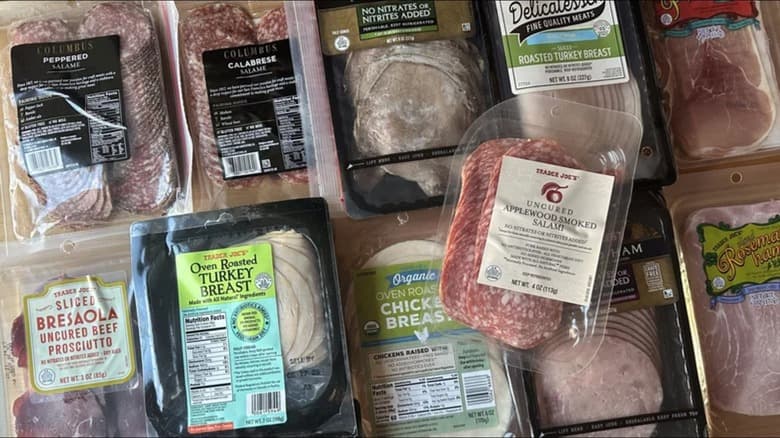
Fresh and deli are separated by shelf life, not by marketing
Trader Joe’s latest explanation of its refrigerated assortment makes one thing clear: Fresh and Deli are different because their shelf lives are different. In the company’s own framing, that distinction has long been the core divider, with an older rule of thumb that items under 21 days belonged in Fresh and items over 21 days belonged in Deli.
That matters on the store floor because the split is not just about labels in the case. It determines how product flows through the building, how often crew need to receive it, how quickly it has to be rotated, and how much pressure sits on the back room and the refrigerated section at any given time. Fresh and Deli are part of the same cold chain, but they do not move on the same rhythm.
The clearest example is salads and sushi. Trader Joe’s says those Fresh items are made daily and delivered daily to warehouses. Deli items, by contrast, can move on a much slower cadence, with products like salami arriving once a week or even every other week. For crew, that difference is the operational reality behind why one refrigerated item seems to disappear fast while another can stay in the mix longer.
The cadence changes how crews receive, stock, and explain product
Once you understand the shelf-life split, the daily work makes more sense. Fresh means tighter ordering windows, faster receiving, more frequent rotation, and less room for error when a case is busy. Deli means a different kind of discipline: fewer deliveries, longer display life, and a closer eye on how long product can stay credible in the case without losing appeal.
Trader Joe’s also makes clear that these decisions are not driven by supplier convenience. The company says it bases product choices on what makes sense for customers. That is a revealing operational principle because it ties assortment to freshness and shopper experience, not just to the easiest production schedule. In other words, the cold case is shaped around what the customer sees and buys, not around what is simplest upstream.
That customer-first logic is especially important for crew members fielding questions on the floor. Shoppers may assume all refrigerated items should arrive on the same schedule, but Trader Joe’s is telling stores to expect different delivery patterns for different kinds of products. The practical takeaway is simple: the shelf-life clock drives the cadence, and the cadence drives the way the case looks hour by hour.
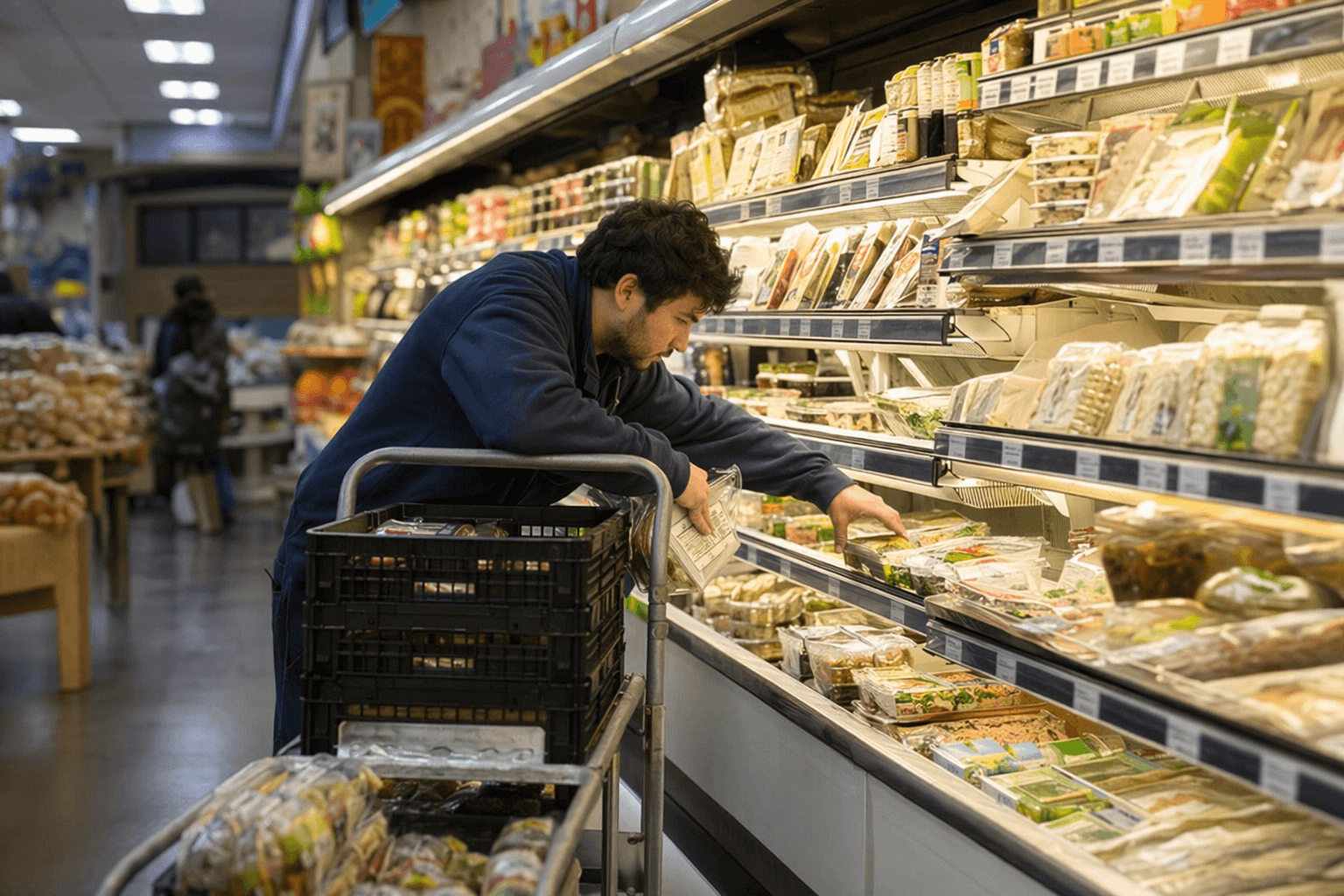
2026 is pushing Trader Joe’s deeper into fresh complexity
The company’s 2026 fresh-and-deli push signals that this is becoming a bigger part of the Trader Joe’s formula, not a side note. Supermarket News reported that Trader Joe’s is leaning further into the operational complexity of fresh and deli with daily production, frequent deliveries, and decentralized store ordering shaping the refrigerated strategy for 2026.
That report also says Trader Joe’s prefers smaller, more frequent purchase orders so customers get products with more remaining shelf life, even if that reduces truckload efficiency. For stores, that is a tradeoff that lands directly on receiving and labor planning: more movement, more touchpoints, and more need to keep the case looking tight instead of simply full.
The same reporting noted that some sandwiches are produced and delivered daily, and that bread for refrigerated sandwiches has historically been a bottleneck. That kind of detail matters because it shows where fresh convenience creates friction. The more Trader Joe’s leans into prepared refrigerated food, the more the chain has to manage ingredients, packaging, timing, and case life as one system.
The company’s Protein Pancakes launch is another sign of how quickly fresh items can move. Supermarket News reported that the item sold at more than double forecast volume in its first week. For store teams, that is exactly the kind of demand spike that tests whether ordering, case space, and replenishment can keep up when a product catches on faster than expected.
Why shrink and donations are part of the same system
The Fresh and Deli split also affects waste, shrink, and donation handling. Trader Joe’s says its Neighborhood Shares program donates 100% of products that go unsold but remain fit to be enjoyed. That means the same operational logic that keeps product moving also shapes what can be diverted away from waste.
The company says nearly 80% of those donations are produce, entrees such as salads, sandwiches, and soups, bakery items, proteins, dairy, and eggs. That mix makes sense for a chain with a strong refrigerated and prepared-food identity: the categories that move fastest, spoil fastest, or require the most careful rotation are also the ones most likely to show up in donation channels when they do not sell through.
Trader Joe’s says it works with more than 2,100 Neighborhood Shares partners nationwide. For managers, that scale turns donation into part of the store’s operating playbook rather than a one-off cleanup task. For crew, it is a reminder that product life cycle does not end at the shelf. It moves through receiving, display, markdown risk, and, when possible, a donation path that keeps edible food out of the trash.
The company’s history helps explain why this approach feels so Trader Joe’s
Trader Joe’s is not a grocery chain that stumbled into its current model by accident. The first store opened on August 25, 1967, in Pasadena, California, when Joe Coulombe was building a very different kind of neighborhood grocery business. He later sold the company to Theo Albrecht in 1979, and Trader Joe’s expanded beyond California in the 1990s, opening its first East Coast stores just outside Boston in 1996.
That history matters because the chain’s current refrigerated strategy reflects the same identity that helped build its following: curated assortment, strong store-level personality, and a willingness to run a system that does not look like a conventional supermarket. Today the company describes itself as a nationwide chain with 600-plus stores, which means any change in how Fresh and Deli move through the network has broad implications for store operations across the country.
The podcast episode that spelled out the split also gives the explanation a human face. It features Tara Miller, the director of words and phrases and clauses, Matt Sloan, the culture and innovation guy, and category managers Christine and Taryn. That lineup is a useful reminder that at Trader Joe’s, even a logistics conversation comes wrapped in the company’s culture language.
For crew, the takeaway is practical: Fresh means speed, tighter turns, and closer attention to what the shopper sees right now. Deli means longer shelf life, slower replenishment, and different expectations at the shelf. For shoppers, it explains why refrigerated items do not arrive with identical frequency, and why Trader Joe’s treats the cold case as a balancing act between freshness, shrink, and the customer experience.
Know something we missed? Have a correction or additional information?
Submit a Tip
.png&w=1920&q=75)