Trader Joe’s faces a more data-driven grocery market as store brands surge
Trader Joe’s store-brand edge is spreading across grocery, pushing tighter forecasting, labor planning, and shelf execution. Crew will feel it first on the next shift.
Trader Joe’s opened its first store in 1967, and its private-label mix long felt curated, not generic. But that advantage is no longer unique. As grocery shoppers hunt for value, more chains are leaning harder into store brands, and that changes what crew and managers deal with every day: how much to order, when to staff up, how fast to recover shelves, and how to keep the store feeling personal while the backend gets more analytical.
Store brands are now the main competition
The company’s private ownership has kept supplier and operating details out of public view. That is one reason outside traffic data, trend reports, and market analysis are important for understanding what happens inside the stores. The bigger shift is that Trader Joe’s old playbook, using private label as the center of the value proposition, is now mainstream across grocery.
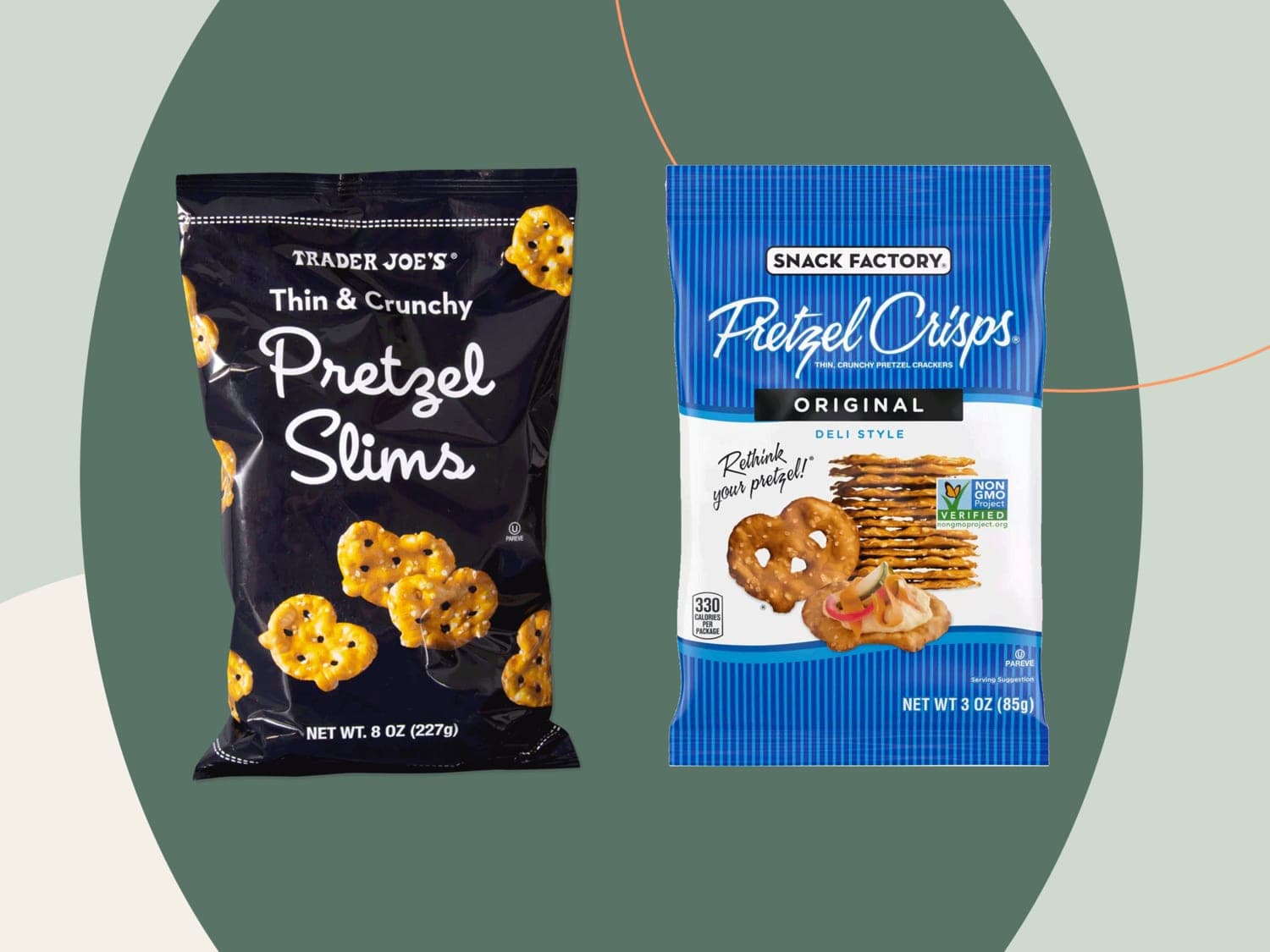
Walmart launched a new private-label food brand in 2024 as competition heated up, a sign that store brands are no longer just a Trader Joe’s or Aldi story. The hunt for value has sparked a U.S. private-label revolution. For crew, that means shoppers are comparing Trader Joe’s not just with specialty grocers, but with mass merchants and discount operators that are also using store brands to win baskets.
Placer.ai’s March 2025 data showed Trader Joe’s and Aldi increasing their grip on grocery shoppers, while Store Brands put Trader Joe’s foot traffic up 6.2% in 2024. If shoppers are visiting more often, the pressure on execution rises with it.
What changes on the next shifts
The biggest near-term changes at store level are likely to be boring in the best possible way: better forecasting, tighter labor matching, and more disciplined replenishment. Planning is getting smarter, adjusting assortment to local tastes and matching labor to traffic patterns. For a crew member, that can mean a shift that feels more paced to the hour, with less slack for guessing and more attention on whether the right product is on the shelf before the rush starts.
Likely to change daily work
- Ordering will get more data-led. Managers will lean harder on demand forecasts instead of instinct alone, which can change how much backstock sits in the room and how often fast movers get replenished.
- Labor will be scheduled more tightly to traffic. That can affect whether a shift feels rushed during peak periods or slower during low-volume windows, and it can also change how much time is available for customer help versus stocking and recovery.
- Product flow will get more precise. Crew may notice fewer stock gaps on core items when forecasting works well, but also less tolerance for sloppy staging, because tighter planning depends on cleaner execution.
- Customer expectations around price will stay high. When shoppers compare Trader Joe’s with Aldi, Lidl, and Walmart, they are not only judging the ticket, they are judging whether the store still feels like a smart value.
Still mostly executive buzz
The AI conversation is real, but the first impact is not a robot taking over the floor. In Trader Joe’s, software and analytics are more likely to show up in the back end first, supporting replenishment, scheduling, and inventory decisions that keep the store’s curated, low-frills feel intact. Clarkston Consulting’s 2025 grocery trends coverage and PwC’s consumer markets work frame intelligent operations as a core retail theme, but the day-to-day result for crew is usually more mundane than the buzzword suggests.
Managers will feel that pressure first because they are the ones balancing numbers, people, and the rhythm of the store. Crew may never see the dashboard, but they will feel the effect in the order that shelves are set, the way tasks are paced, and how much room there is for the customer conversation Trader Joe’s is known for.
Why value is now a floor-level issue
Placer.ai’s 2025 grocery coverage placed Trader Joe’s and Aldi among the value-focused chains outperforming the broader grocery segment in store visits. When customers are voting with visits, they are also setting a standard for what they expect once they walk through the door.
Clean shelves, fast problem-solving, short lines, and a store that still feels upbeat all reinforce the sense that the customer is getting something worth the trip.
Labor, union pressure, and the culture test
Trader Joe’s culture has always been part of its brand, which is why labor issues carry extra weight there. The company is privately held, so the public gets fewer clues about internal staffing and supplier decisions than it would from a public chain, and that makes organizing fights and labor disputes more visible when they do surface. In August 2023, an employee-union effort was tied to a trademark lawsuit, and in April 2024 Chicago workers were voting on unionizing while the company fought other organizing efforts.
Any shift toward tighter labor planning will be judged against Trader Joe’s reputation for above-market pay and a strong crew culture. If the chain keeps expanding, managers may have to standardize training, staffing, and task pacing across more stores without flattening the personality that makes the brand work. In April 2025, Trader Joe’s was still leaning into expansion even as the operating model got more demanding.
This article was produced by Prism’s automated news system from verified source data, official records, and press releases, then run through automated quality and moderation checks before publishing. The system is built and supervised by the people who set the standards it runs under. Read our full AI policy.
Did this article answer your question?