Trader Joe’s fresh foods, a high-stakes systems challenge
Trader Joe’s fresh case looks simple, but it runs on tight labor, food-safety checks, and constant judgment that can strain stores when demand spikes.
Fresh food is where the workload hides
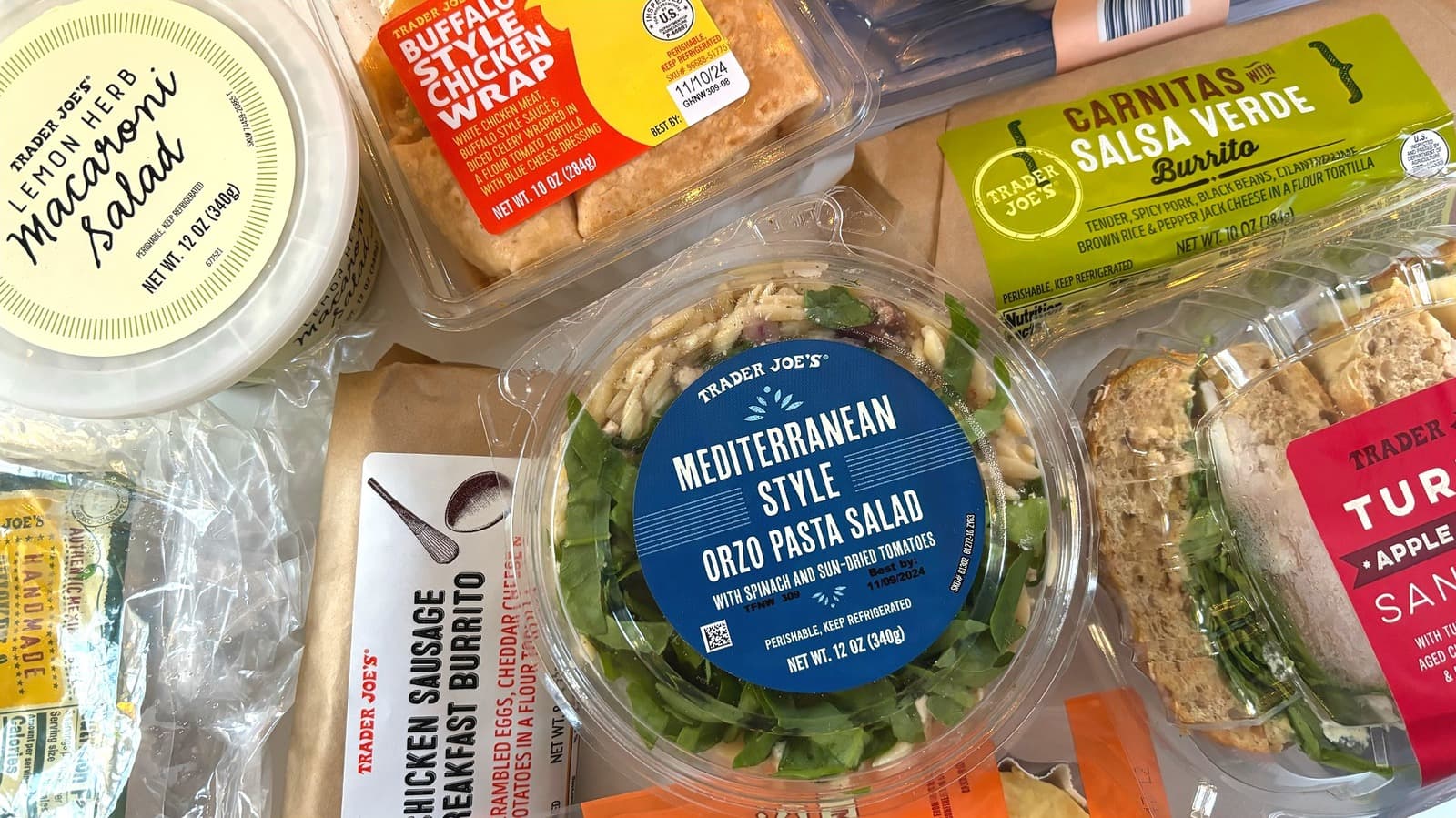
Trader Joe’s fresh case is one of the clearest examples of how retail can look easy from the sales floor and feel far more complicated behind it. What customers see as salads, wraps, burritos, meats, and ready-to-cook meals is really a chain of cold-chain handling, rotation, labeling, shrink control, and constant quality decisions that have to hold up hour after hour.
That is the basic lesson in Cornell University’s prepared-foods analysis: as deli and prepared-food assortments expand, operational complexity rises with them, along with labor, training, quality, and safety pressures. The point still fits Trader Joe’s well, because fresh and prepared foods are not a side aisle at this chain. They are part of the brand identity and a major reason shoppers keep coming back.
Why the fresh case is a systems problem, not just a merchandising win
Trader Joe’s describes itself as a national chain of neighborhood grocery stores that has been transforming grocery shopping since 1967. Its Fresh Prepared Foods section alone now lists 149 items, ranging from salads, soups, and sides to wraps, burritos, sandwiches, entrées, and desserts. That is a large enough assortment to require more than good displays and catchy packaging. It requires systems that can handle speed, perishability, and consistency at the same time.
The challenge is that fresh foods behave differently from shelf-stable products. Demand can swing quickly, shrink can climb if ordering is off, and the margin for error is thinner because quality changes by the hour. Cornell’s report calls out exactly that tension: broader prepared-food offerings can be profitable and in demand, but they also make it harder to maintain uniformly high food quality and safety. For a Trader Joe’s crew, that means the fresh area is one of the places where the job gets most technical, even when the store still has the relaxed, neighborly vibe customers expect.
What the work actually looks like for crew
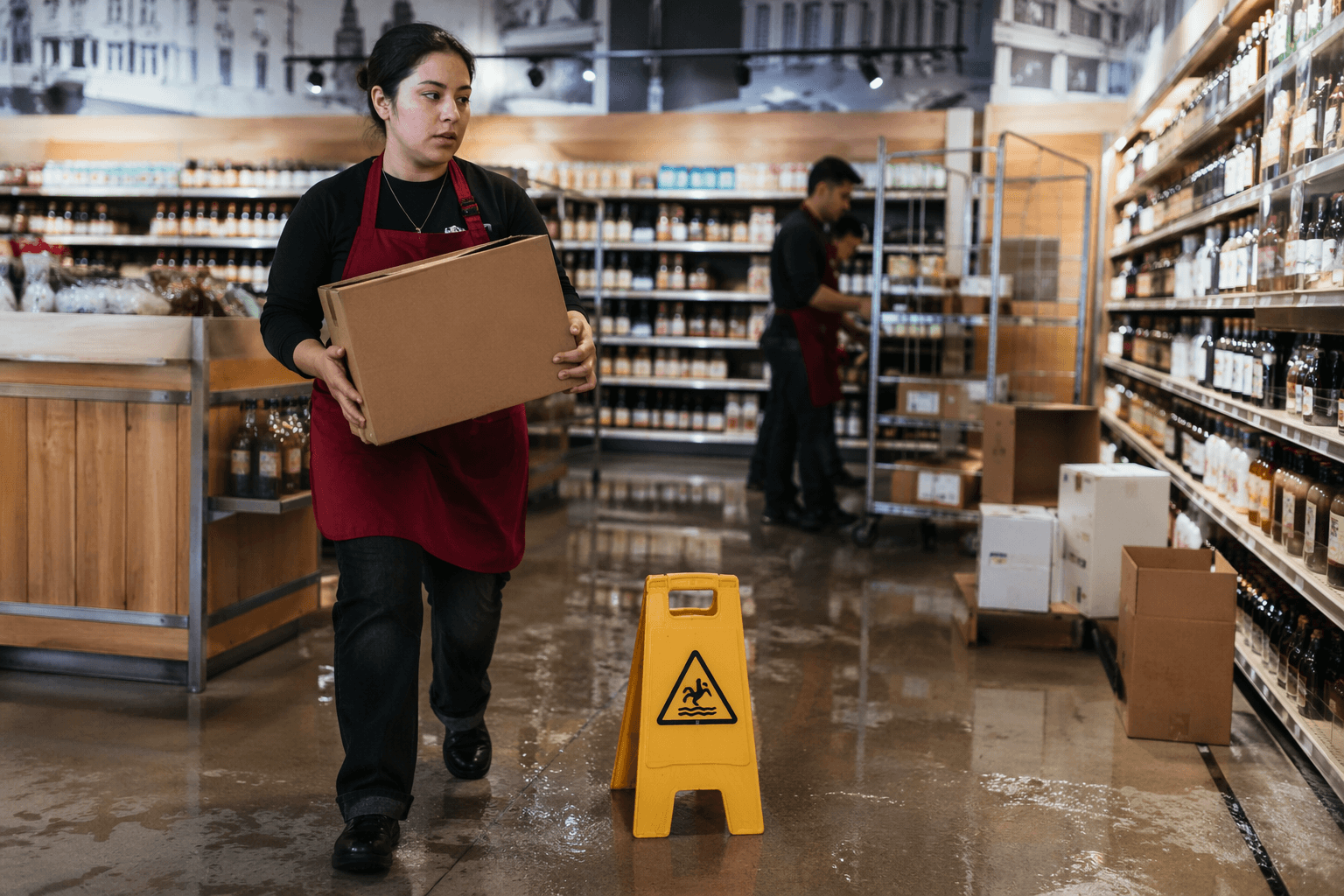
On paper, the fresh section is about convenience. On the floor, it is a steady sequence of judgments. Crew members have to manage temperature control, rotation, date-checking, display maintenance, and the decision of when an item should stay out and when it needs to come off the shelf. Those tasks do not always look dramatic, but they shape whether the department runs cleanly or starts to slip.
That labor burden matters at Trader Joe’s because the company is unusually explicit that store labor sits at the center of its operating model. Its stores are supported by Crew Members and a lean office team across merchandising, marketing, operations, human resources, information technology, and finance, all in support of the stores. The company also says it will not use self-checkout. Taken together, those details point to a business built around people rather than automation, which makes labor allocation in fresh foods even more important. When the fresh section gets busier, the workload does not disappear into a machine. It lands on crew.
Why managers feel the pressure too
For managers, fresh foods create a familiar retail tradeoff: more convenience for the customer usually means more hands-on work for the store. A fresh meal solution can drive traffic and reinforce Trader Joe’s curated image, but it also asks a store to perform more like a mini food-service operation than a standard grocery aisle. That means tighter training, faster response times, and closer coordination when demand spikes or product quality starts to drift.
This is where the Cornell analysis is especially useful. The report does not treat prepared foods as a novelty. It treats them as a category that can be dynamic and profitable, while also being operationally demanding. That maps directly onto Trader Joe’s, where the fresh section is not just a merchandising story but a pace-of-work story. A display that looks casual and approachable on the customer side can require highly disciplined execution behind the scenes.
The fresh meat case shows how curated the workload has become
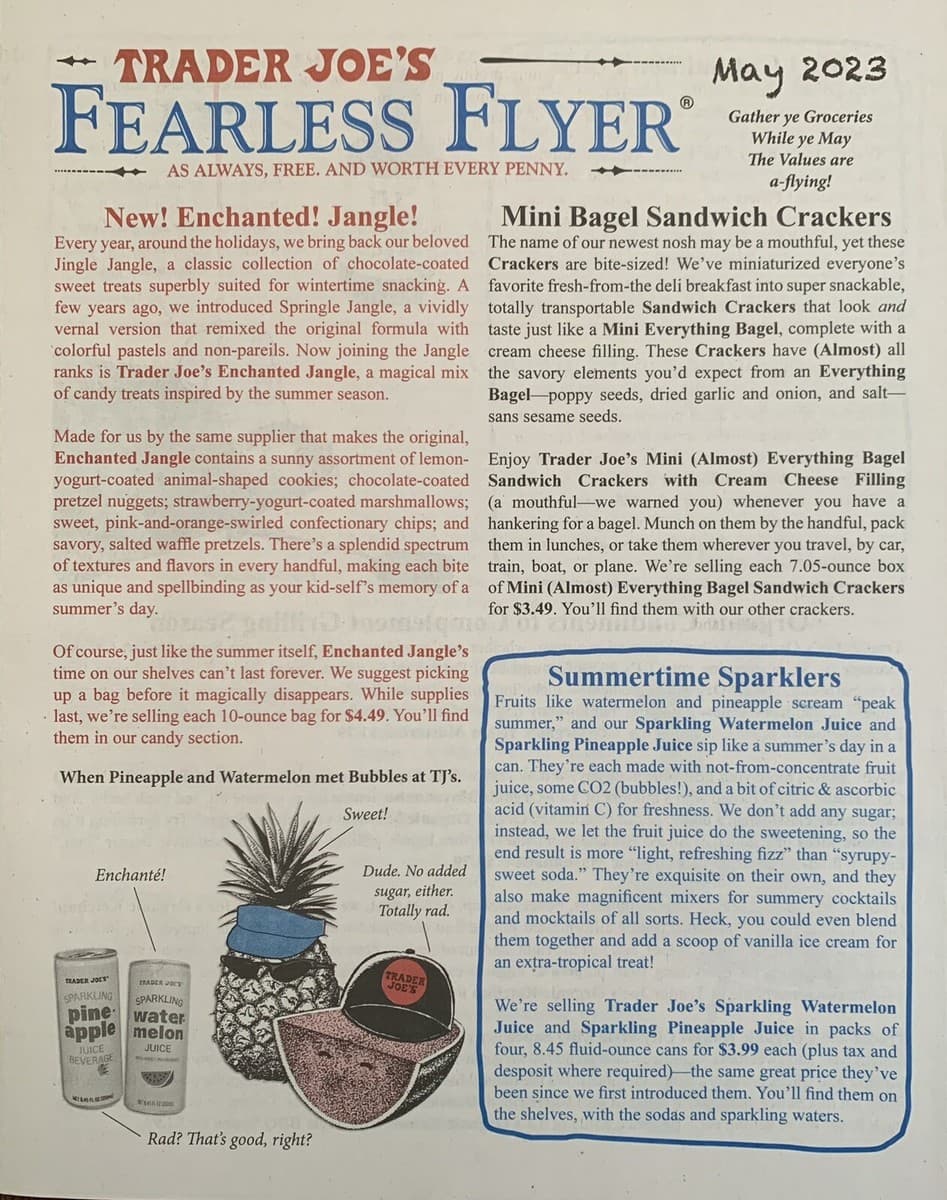
Trader Joe’s 2026 May flyer highlights fresh meat case items such as Carne Asada Ranchera, Pollo Asado, and Pork Al Pastor. The company describes them as quick-cooking options inspired by taco carts and meat markets, which says a lot about how the chain uses the fresh case. It is not only selling raw product. It is selling a promise of speed, flavor, and convenience that depends on the store keeping the case stocked, clean, and accurately presented.
That kind of curation increases the stakes for crews because fresh meat brings additional handling demands and a narrower safety window than many center-store items. The more the assortment leans into ready-to-cook convenience, the more the store has to behave like a precision operation. In that sense, the fresh meat case is a compact version of the whole Trader Joe’s model: distinctive products, a strong brand story, and real execution pressure in the background.
Recalls show why freshness is also a control issue
The risks in fresh and prepared foods are not theoretical. In April 2025, Trader Joe’s recalled its Sesame Miso Salad with Salmon after an undeclared milk allergen was found. In late 2024, the chain was also swept into the BrucePac ready-to-eat meat recall tied to listeria concerns. Those events show how much prepared foods depend on supplier oversight, labeling discipline, and store-level execution.
For workers, recalls are a reminder that a prepared-foods program carries more than sales upside. Every item in the case needs to be managed with the assumption that a mistake can become a food-safety problem quickly. That is why the fresh department’s hidden work, the checking, rotating, pulling, and rechecking, matters so much. Customers may think they are buying convenience. The store is managing risk.
How Trader Joe’s quality promise fits into this picture
Trader Joe’s says it introduced its first organic private-label product in the 1970s, and the company also says it tastes products before selling them. That is an important part of why the chain’s fresh and prepared foods matter so much to its identity. The brand’s reputation depends on more than a wide assortment. It depends on a tight quality filter, from product development to shelf presentation.
That quality promise, though, only works if the operational side holds up. A company can taste and vet products all it wants, but the day-to-day burden still lands in stores. Fresh foods turn brand curation into a labor question. They demand more from crew training, more from manager attention, and more from store systems than a shopper usually sees when grabbing a salad or a package of marinated meat.
The real takeaway for Trader Joe’s workers
The fresh case is not just a high-traffic part of the store. It is where Trader Joe’s most clearly reveals the tension between its fun, curated image and the hard mechanics of running a grocery operation. The assortment is broad, the products are perishable, the safety stakes are real, and the labor required to keep everything looking effortless is substantial.
For crew, that explains why fresh foods often feel like the toughest part of an otherwise upbeat store culture. For managers, it explains why labor planning, cross-training, and strict execution matter so much. Trader Joe’s may sell discovery and fun, but in fresh foods, the business runs on discipline.
This article was produced by Prism’s automated news system from verified source data, official records, and press releases, then run through automated quality and moderation checks before publishing. The system is built and supervised by the people who set the standards it runs under. Read our full AI policy.
Know something we missed? Have a correction or additional information?
Submit a Tip