Trader Joe's highlights internal leader Bryan Palbaum in LA500 profile
Bryan Palbaum’s public profile shows Trader Joe’s still run by insiders as the chain expands, a clue to how much change crew should expect on the floor.
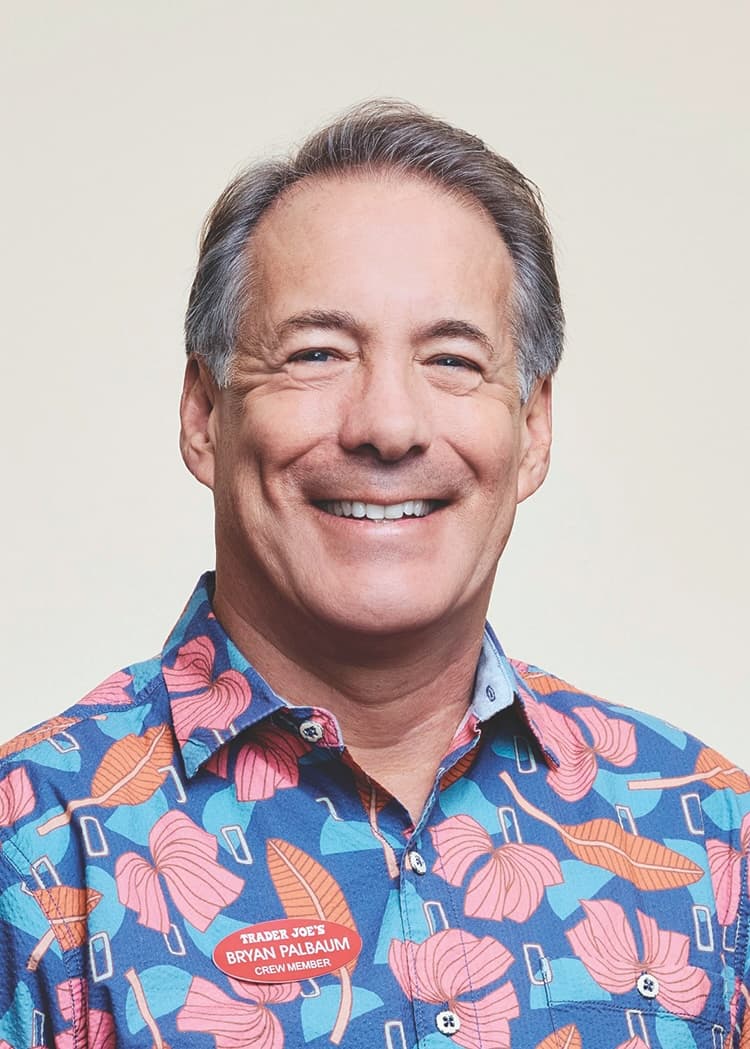
Bryan Palbaum’s visibility says as much about Trader Joe’s management style as it does about the man himself. The Monrovia-based grocer’s chairman and CEO has spent more than two decades inside the company, and his rise from chief financial officer to president and then to the top job since 2023 reinforces a familiar Trader Joe’s pattern: leadership usually comes from within, not from a hired outsider looking to remake the chain.
For crew and managers, that matters because internal promotion tends to favor continuity. Trader Joe’s now runs 624 stores across 42 states and the District of Columbia, but the leadership message remains rooted in the same Southern California, neighborhood-store identity that has defined the chain since 1967. The company says its values are reflected every day in each store and that customer and crew feedback guides continuous improvement. That kind of language fits a company that wants store teams to feel steady ground under them, even as the business gets larger.
The flip side is that Trader Joe’s gives the public relatively few clues about what comes next. A profile like this becomes one of the clearest windows into how the company wants to present itself: less like a chain preparing for a dramatic reset, more like a mature grocer that expects gradual growth, operational discipline and a private-company tone that stays mostly out of the spotlight. For employees, that can mean fewer public signals about strategy and fewer hints about how fast policies, staffing models or store routines might change.
The growth numbers show why that matters. Trader Joe’s opened 34 new stores in 2024 and said it expected to open dozens more in 2025. It also sold more than 13 million packages of Kimbap last year, a reminder that product launches and store expansion are both part of the company’s current push. As the chain grows, the gap between a tight-knit culture and a larger, more complex footprint becomes more important for crews who have to translate the brand’s promises into daily execution.
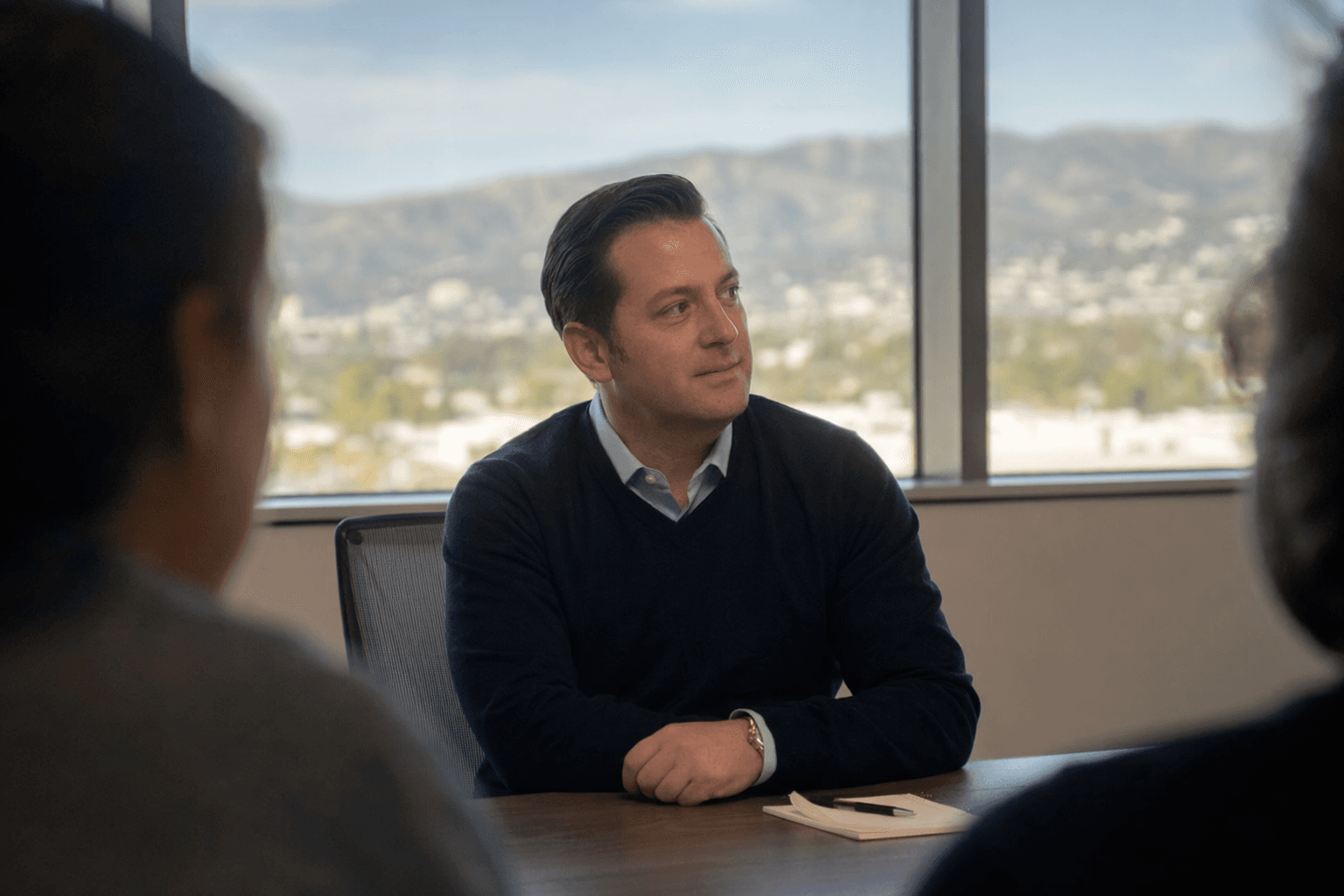
Trader Joe’s own podcast materials have also kept Palbaum and Vice CEO and President Jon Basalone in the public frame, including comments that the company had no intention of adding self-checkouts. That choice signals a deliberate commitment to a labor-heavy, service-first store model, one that keeps the human side of the business front and center. For crew, that can be reassuring, but it also means the company is doubling down on a staffing-intensive experience instead of using technology to thin out front-end work.
At the same time, labor pressure remains part of the backdrop. National Labor Relations Board cases involving Trader Joe’s East in Hadley, Massachusetts, listed 77 employees in the bargaining unit, while a Chicago case showed 154 eligible voters and a 70-70 split. Trader Joe’s also challenged a Louisville, Kentucky union election in 2023, and Trader Joe’s United has kept pressing organizing and bargaining efforts. Palbaum’s low-key, insider-led profile suggests a company that wants to project stability, but on the store floor, stability is now colliding with scale, organizing and the demands of keeping a distinctive culture intact.
This article was produced by Prism’s automated news system from verified source data, official records, and press releases, then run through automated quality and moderation checks before publishing. The system is built and supervised by the people who set the standards it runs under. Read our full AI policy.
Did this article answer your question?