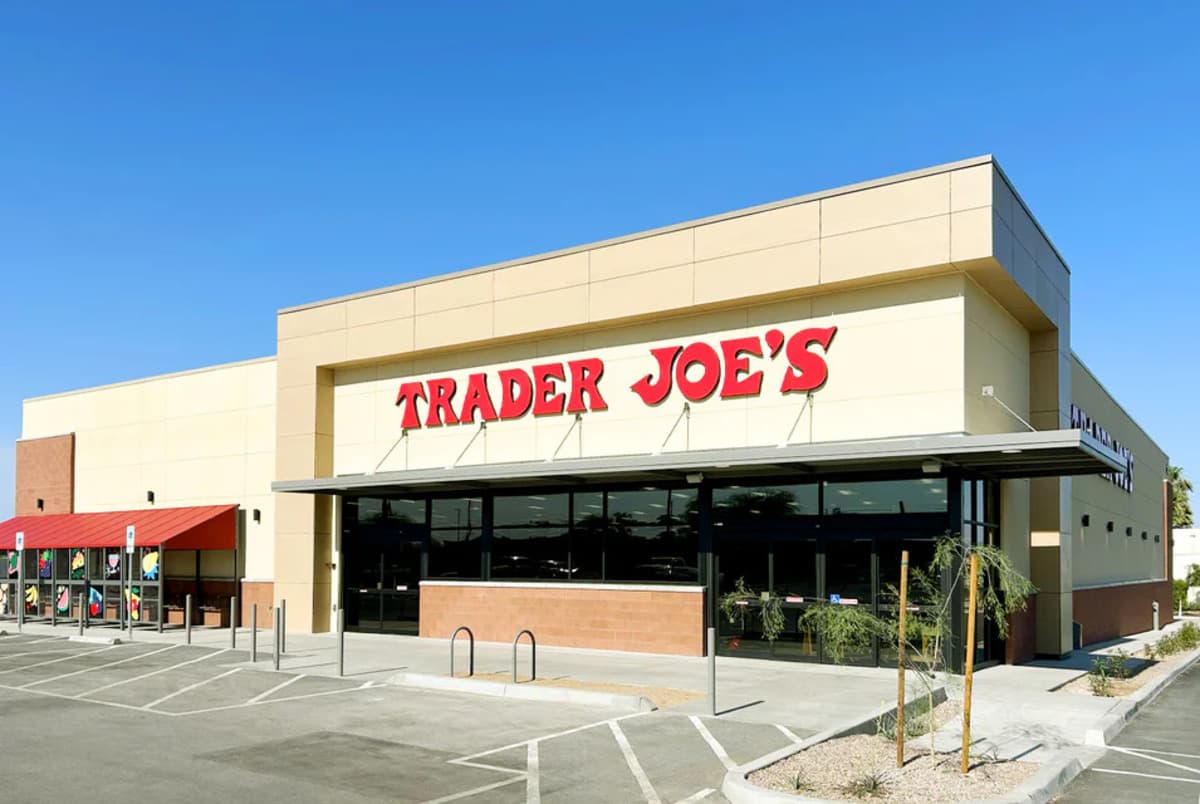
Trader Joe's highlights neighborhood stores, value, and food donations
Trader Joe’s neighborhood-store pitch is also an operating rule: curate tightly, serve warmly, and send all fit-to-be-enjoyed leftovers to local nonprofits.
Trader Joe’s says it is not just a grocery chain but a national network of neighborhood stores, and that language works like a quiet operating manual. The company pairs its value promise with a food recovery program that sends 100% of products that go unsold but remain fit to be enjoyed to local nonprofit partners. Read closely, the messaging tells crew members and managers what the store is supposed to feel like on the floor: local, selective, friendly, and visibly tied to the community around it.
What “neighborhood store” means in practice
The phrase “neighborhood store” is doing a lot of work here. It signals that Trader Joe’s expects each location to feel distinct, even as it operates as a national chain, and it helps explain why the company puts so much weight on product curation and crew personality. This is not a format built around endless aisle breadth; it is built around a tight assortment, strong recommendations, and a shopping trip that feels more like discovery than routine fill-in.
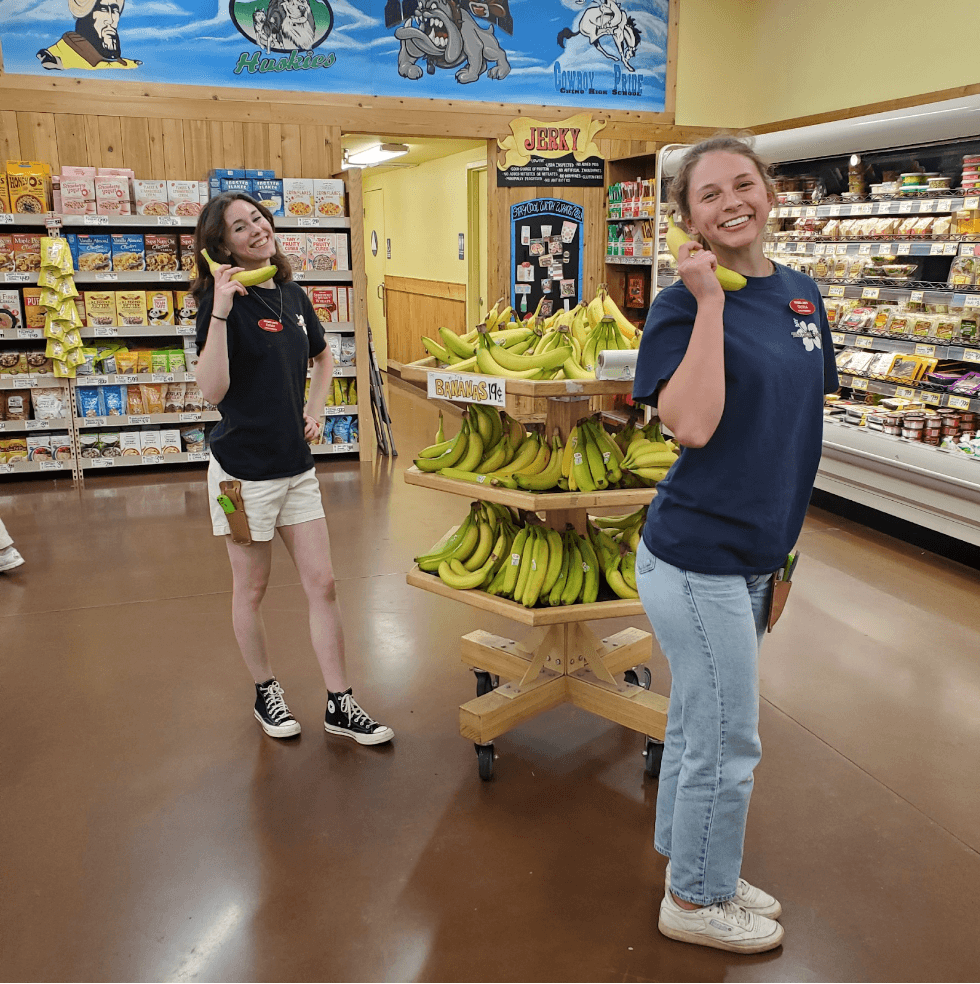
That matters for how stores are staffed and managed. When the company says it has been transforming grocery shopping into a welcoming journey full of discovery and fun since 1967, it is describing a service style, not just a brand mood. Crew members are expected to know the product mix, talk it up with confidence, and create the kind of store experience that makes shoppers feel like regulars, even in a place they have just entered for the first time.
Value at Trader Joe’s is a quality decision, not just a price decision
The company’s value promise is specific: best quality products at the best everyday prices. That framing tells workers something important about assortment and buying, because value here is not presented as the cheapest possible basket. It is a balance between quality and price, which means the store has to earn its reputation product by product, not by broad discounting.
For crews, that helps explain why product knowledge matters so much. A store that sells itself on discovery needs people on the floor who can steer shoppers toward the right item, explain what is different about it, and reinforce why the price feels fair. The public message suggests that the employee role is part merchandiser, part guide, and part neighborhood host, with local conversation built into the job.
The store directory language reinforces that point too. Trader Joe’s does not simply ask people to shop a chain location; it invites them to find their local neighborhood grocery store. That is a subtle but important clue about the company’s expectations for store-level identity and customer service. The experience is supposed to feel local even when the brand is national.
Neighborhood Shares turns community language into daily logistics
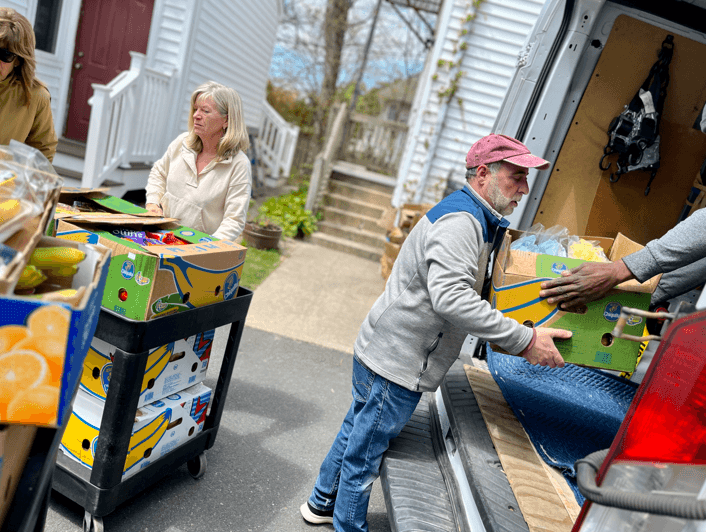
The clearest proof that the neighborhood rhetoric is more than branding is the Neighborhood Shares program. Trader Joe’s says the program donates 100% of products that go unsold but remain fit to be enjoyed to local nonprofit organizations and food recovery agencies. The company also says nearly 80% of those donations are produce, entrees, bakery items, proteins, dairy, and eggs.
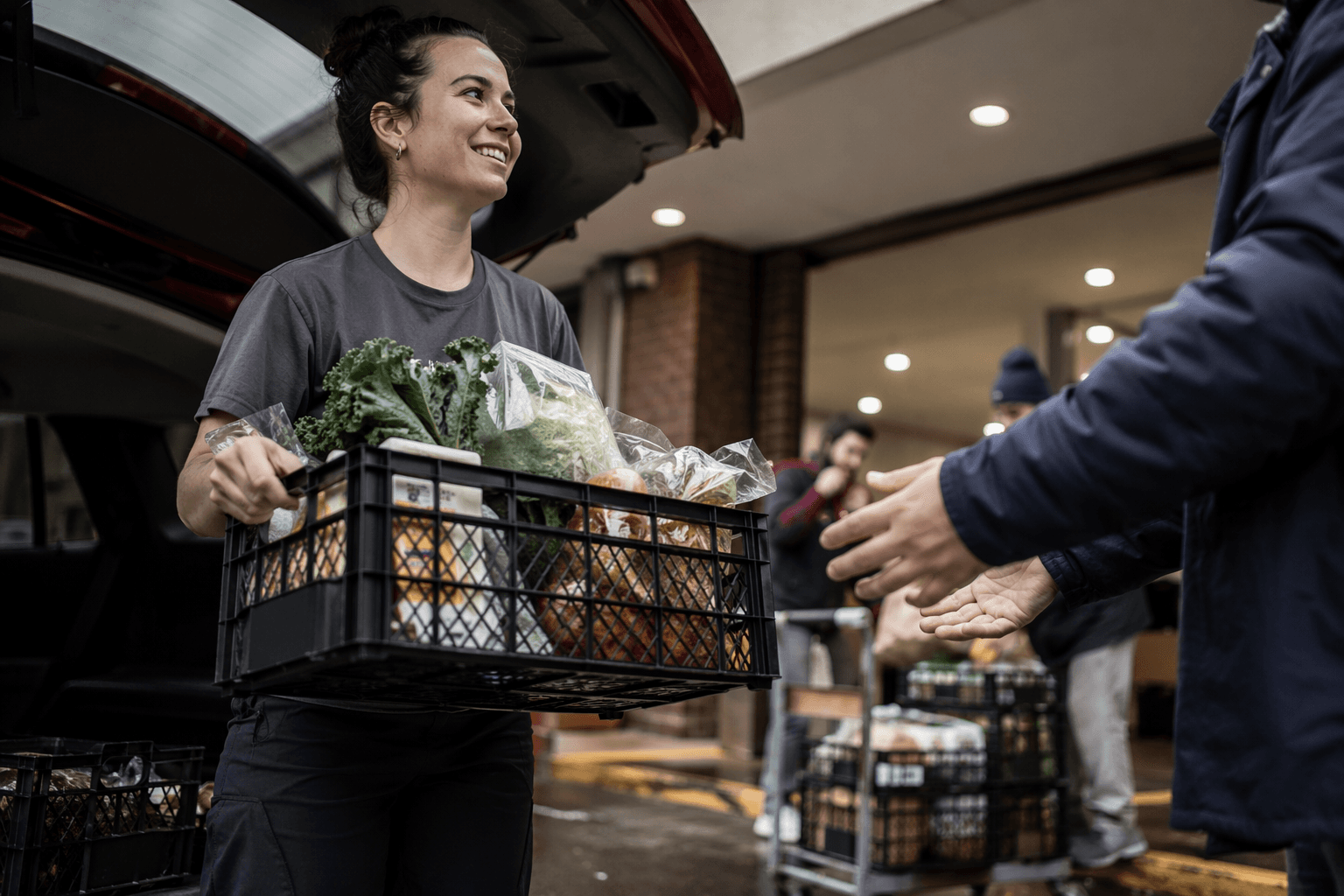
That is not a symbolic gesture. It means stores are part of a seven-day-a-week donation system designed to reduce waste and deepen neighborhood connections. For store teams, the implication is operational as much as charitable: product handling, freshness standards, and donation routines are all part of how the company wants each location to function.
The policy also helps explain why Trader Joe’s likes to describe itself as a good neighbor rather than just a retailer. In practice, that means a store is not only selling to the block around it but also feeding back into that block through local nonprofit partners. Crew members who care about food recovery can see that as part of the job’s identity, not an add-on tucked away from the selling floor.
Why the origin story still shapes the chain
Trader Joe’s still leans on its origin story to explain all of this. Joe Coulombe opened the first Trader Joe’s in Pasadena, California, in 1967, and the company continues to tie that beginning to the brand’s sense of friendliness, fun, and discovery. That matters because it shows how much of the current identity is built on a story about a smaller, more personal retail experience.
The history is especially useful now that the chain keeps expanding. Trader Joe’s has said it expected to open dozens of stores in neighborhoods around the country as it looked ahead to 2025, which shows how it talks about growth without giving up the neighborhood frame. The challenge for the company is obvious: keep adding locations without flattening them into something generic.
Current company messaging suggests it is still trying to preserve local rhythm while it grows. Its announcements page includes special store hours for July 4, 2026, a reminder that even a national chain is still presenting store operations through the lens of local timing and community routines. That is consistent with the larger message: each store is supposed to feel embedded in the neighborhood it serves.
What crew members and managers should take from it
For workers, the practical takeaway is that Trader Joe’s is telling you what kind of store you are in. Friendly, knowledgeable service is not just encouraged; it is part of the public definition of the job. Product curation is not merely a buying strategy; it is how the company proves its value promise, and Neighborhood Shares is not a side project; it is a core expression of the brand.
For managers, the message is even clearer. Local connection, disciplined assortment, and food recovery are all part of the same story, and the company is using that story to define store standards from the sales floor to the back room. As Trader Joe’s keeps opening more locations, the real test will be whether each one still feels like a neighborhood store in practice, not just in the copy.
This article was produced by Prism’s automated news system from verified source data, official records, and press releases, then run through automated quality and moderation checks before publishing. The system is built and supervised by the people who set the standards it runs under. Read our full AI policy.
Know something we missed? Have a correction or additional information?
Submit a Tip