Trader Joe’s says crew, not robots, drive its business model
Trader Joe’s pitches itself as people-first, but the real story is a labor model built on frequent reviews, above-market pay, and crew judgment.
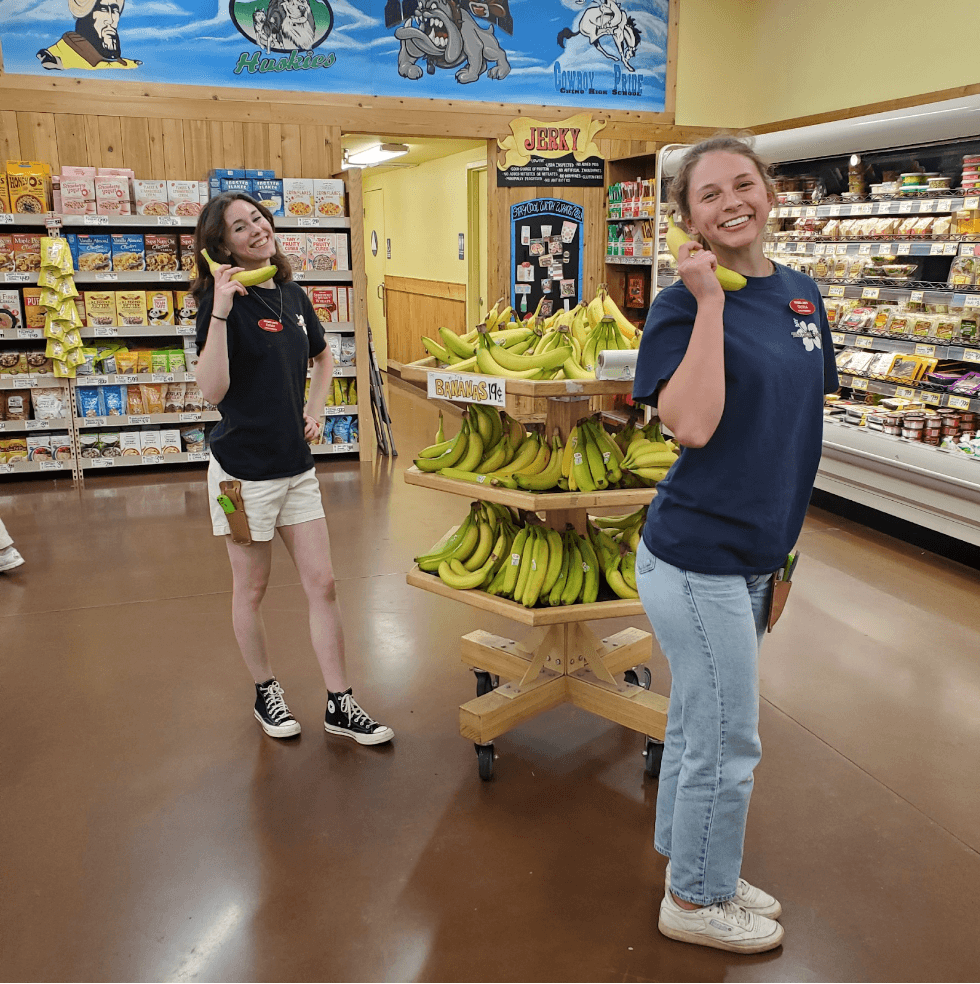
Trader Joe’s wants workers to hear a clear message: the business runs on people, not automation. In its ICYMI episode, the company says it is a people-centric operation, that crew members are needed to run it, and that it is not looking to replace humans with self-checkout robots. That pitch is not just about culture; it is the company’s public explanation for why pay, benefits, and store-level judgment sit at the center of the Trader Joe’s job.
How Trader Joe’s packages the job
The company’s employment story is built around recurring feedback and visible rewards. Trader Joe’s says crew members receive performance reviews twice a year, and it says those reviews can translate into an average 7% annual pay increase. In the podcast discussion, the company also says crew members are paid above industry averages and can view the review cycle as a chance to get feedback from multiple perspectives, which frames pay as something earned through ongoing performance rather than one-off bonuses.
The benefits pitch is similarly specific. Trader Joe’s says eligible crew members can contribute to a 401(k) retirement plan and that the company can contribute too. It says medical, dental, and vision plans are available, with crew contributions as low as $25 a month on the careers page, while the podcast says the full benefits array can cost crew members less than $100 a month. Paid time off increases with tenure, and all crew members currently receive up to a 20% store discount. Put together, the package is meant to look like a stable retail career, not a bare-bones grocery job.
What the company is really signaling about work
The strongest message in the transcript is not just that Trader Joe’s pays relatively well. It is that the company wants stores to feel human, conversational, and built around crew judgment. That matters because it helps explain why the company leans so hard on floor-level communication, product knowledge, and employees who can steer shoppers through the store in a way that feels personal rather than scripted.
Trader Joe’s own “Our Crew” page backs that up structurally. The company says “the store is our brand,” that captains are always promoted from within, and that there are no back offices in stores. Office staff in Monrovia, California, and Boston, Massachusetts, support stores, but they do not run them from behind the scenes. For crew members, that means the job is designed around a floor-first retail culture where leadership is visible, judgment is expected, and customer interaction is part of the brand promise, not a side task.
That structure also says something about who Trader Joe’s is trying to attract. The company’s model favors workers who are comfortable with frequent feedback, rapid pace, and a service style that depends on personality as much as process. In practical terms, it is a workplace that rewards retention because trained, trusted employees matter more when the store itself is the brand and managers are expected to be present on the floor.
Why the model matters as the chain keeps growing
Trader Joe’s describes itself as a national chain of neighborhood grocery stores, and its growth plans make the labor model more than a culture statement. The company said in June 2026 that it planned to open more than 20 stores this year, which means the brand has to keep reproducing the same service style and employee pitch in new markets. The more stores it adds, the more important it becomes to convince applicants that Trader Joe’s is not a standard supermarket job.
That is where the pay-and-benefits message does real work. The company is trying to turn above-market pay, twice-yearly reviews, retirement contributions, and paid time off into a retention strategy that helps it keep experienced crews in place. It also uses the store discount and tenure-based PTO to reinforce the idea that staying longer brings visible rewards. For workers, the message is straightforward: Trader Joe’s wants you to see the job as a place where sticking around pays off.
The labor pushback behind the polished pitch
The company’s public image, though, is being tested by organizing and conflict. Workers at Trader Joe’s stores have organized under Trader Joe’s United in multiple locations, showing that the company’s people-first language has not closed off labor tension. In Chicago, a union election ended in a 70-70 tie, a reminder that even at a cult-favorite retailer, workers are still divided on whether the company’s internal culture is enough without a contract.
Hadley, Massachusetts, remains the clearest example of the gap between branding and labor reality. Workers there voted to unionize in 2022, but more than two years later they still had no contract. The National Labor Relations Board later found that a Massachusetts Trader Joe’s used coercive threats against union members and denied them the same retirement benefits as non-union members. That kind of dispute undercuts the company’s own story line, because it suggests that the perks on the careers page do not always settle the question of how workers are treated once organizing begins.
What crew and managers should take from it
The useful read here is not that Trader Joe’s is secretly a robot-free utopia. It is that the company is deliberately presenting a labor model in which human labor is the product, the brand, and the operating system all at once. Above-market pay, twice-yearly reviews, and a benefits package with retirement, health coverage, and tenure-based time off are the company’s way of saying that people are the differentiator.
For crew members, that means the job is meant to feel personal, visible, and performance-driven. For managers, it means the company is relying on store-level leadership to keep culture intact while also defending a model that unions are now challenging in public. Trader Joe’s can keep saying its crews, not robots, drive the business, but the real test is whether the day-to-day experience matches the pitch.
This article was produced by Prism’s automated news system from verified source data, official records, and press releases, then run through automated quality and moderation checks before publishing. The system is built and supervised by the people who set the standards it runs under. Read our full AI policy.
Know something we missed? Have a correction or additional information?
Submit a Tip