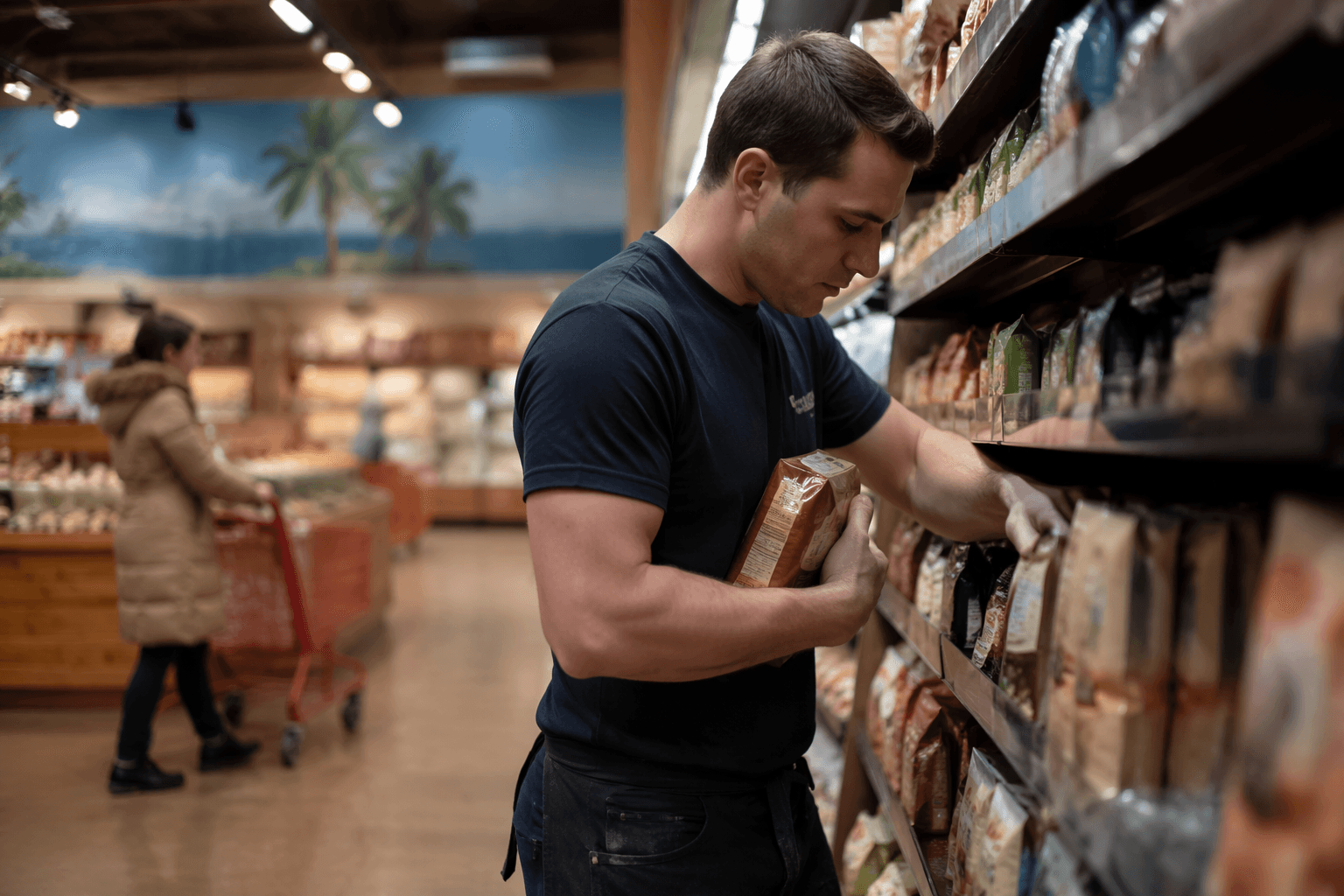
Trader Joe’s neighborhood identity shapes crew work, community pride
Trader Joe’s neighborhood promise is more than branding. Store-level donations, local nonprofit ties, and daily crew expectations turn community language into operating practice.
Neighborhood pride is built into the job
Trader Joe’s sells itself as a national chain of neighborhood grocery stores, and that wording matters inside the store as much as it does on the website. The company says its values are lived every day in every neighborhood store, which turns “community” from a slogan into a workplace expectation for crew and managers alike. For employees, that means the job is not just about stocking shelves and ringing up baskets; it is about making the store feel local, familiar, and useful to the people who walk through the door.
That identity starts with the customer experience, but it reaches deeper into how the business runs. Trader Joe’s says it is committed to outstanding value and best everyday prices, and it describes its crew as “knowledgeable, friendly Crew Members.” That combination matters because customers who think of Trader Joe’s as a neighborhood store tend to expect personal interaction, fast answers, and a sense that the people behind the register know the product line well enough to recommend what works. In other words, the brand promise is not floating above the sales floor. It shows up in the tone of the workday.
Neighborhood Shares is the clearest proof point
The most concrete expression of that neighborhood identity is the Neighborhood Shares Program. Trader Joe’s says every store manages its own program with local nonprofit partners, which makes the store itself the point of contact for community giving. The company also says it handles requests for product donations and community-event involvement through its stores, so schools, hospitals, food banks, and neighborhood groups are not dealing with a distant headquarters team. They are dealing with the actual store footprint in their community.
The mechanics are just as important as the message. Trader Joe’s says it donates 100% of products that go unsold but remain fit to be enjoyed, and that the donations happen seven days a week. Nearly 80% of those donations are perishables, including produce, entrées, bakery items, proteins, dairy, and eggs. That tells crew members something practical: this is not a symbolic end-of-year charity drive. It is a daily logistics system that depends on store discipline, food handling, and coordination with local food recovery agencies.
The company also places formal limits around the program, which shows how structured the community work really is. Trader Joe’s says it donates only to 501(c)(3) organizations with valid, current tax ID numbers, and food and beverage donations are limited to one per year per organization from the company. For managers, that means the neighborhood role comes with compliance, paperwork, and partner management. For crew, it means the “good neighbor” identity is operationalized through routine procedures, not just a poster in the break room.
The numbers show scale, not just sentiment
The scale of the program makes the neighborhood language harder to dismiss as marketing. Trader Joe’s said its 579 stores at year-end 2024 donated more than 98 million pounds of quality products in 2024. Earlier company materials put the 2021 total at more than $349 million worth of food items, and a transcript summarized that as about $350 million, roughly 70 million pounds of food or 58 million meals. That is the kind of volume that changes how a store thinks about unsold product, food rescue, and local partnerships.
The partners attached to that system underline the point. Trader Joe’s donations have been linked with groups such as City Harvest, Table to Table, Spoonfuls, Food Rescue US, Oregon Food Bank, FoodCycle LA, Second Servings of Houston, and ExtraFood. Those are not abstract names in a CSR deck. They are the organizations that receive product streams and turn them into meals, pantry stock, or redistribution work in real communities. When a store team sorts, stores, and stages those donations properly, it is participating in a chain that reaches far beyond the parking lot.
What this means for crew culture on the floor
Trader Joe’s has long described itself as more than a fun place to work, and that distinction matters because the company’s neighborhood story adds emotional weight to physically demanding retail jobs. Crew members often talk about pride in the work when customers know them by name, regulars return for familiar recommendations, and donated product streams connect the store to local agencies. That can make a store feel less interchangeable than a typical grocery chain, especially when workers can see the direct community effect of what comes out of the back room.
At the same time, the same culture that gives Trader Joe’s its appeal can also set a high bar. A store that presents itself as part of neighborhood life has to keep customer service sharp, presentation clean, and donation handling reliable. Managers are not just running a store; they are protecting a public identity that promises local relevance, friendly interaction, and everyday value. If the store falls short on those basics, the gap is more visible because the brand has leaned so hard into the idea that each location belongs to its neighborhood.
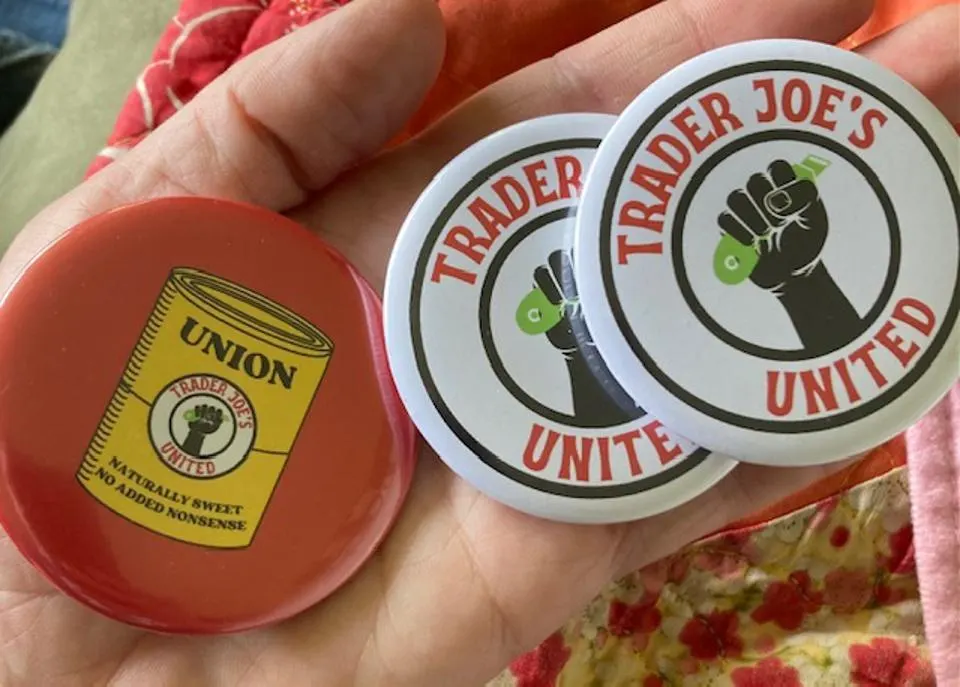
That tension also matters in the broader labor picture. Trader Joe’s remains a company where crew pride, above-market pay, and a distinctive culture help distinguish the job from more conventional grocery work. But the neighborhood model means employees are also carrying a brand promise that is visible to shoppers, nonprofit partners, and the wider community. In a workplace like this, “community” is not just a line for customers. It is part of the standard that crew members are expected to live up to every shift.
From Pasadena to a growing chain
The neighborhood framing is rooted in the company’s own history. Trader Joe’s says it has been transforming grocery shopping since 1967, when the first store opened in Pasadena, California. That origin story helps explain why the company still talks like a chain of local stores instead of a generic supermarket network. The concept of being a neighborhood grocer is not a recent branding exercise; it is part of the company’s self-image from the start.
That history becomes even more relevant as the chain keeps expanding. Trader Joe’s opened 34 new stores in 2024, and each one extends the same community promise into a new local market. The bigger the footprint gets, the more the company has to prove that its neighborhood language still means something on the ground. For crew members, that is the real test: whether the store feels like a branded retail unit, or a place where local service, food recovery, and customer familiarity are built into the daily work. In Trader Joe’s case, the answer appears to be both, and the stores are expected to make that balance look effortless.
This article was produced by Prism’s automated news system from verified source data, official records, and press releases, then run through automated quality and moderation checks before publishing. The system is built and supervised by the people who set the standards it runs under. Read our full AI policy.
Did this article answer your question?