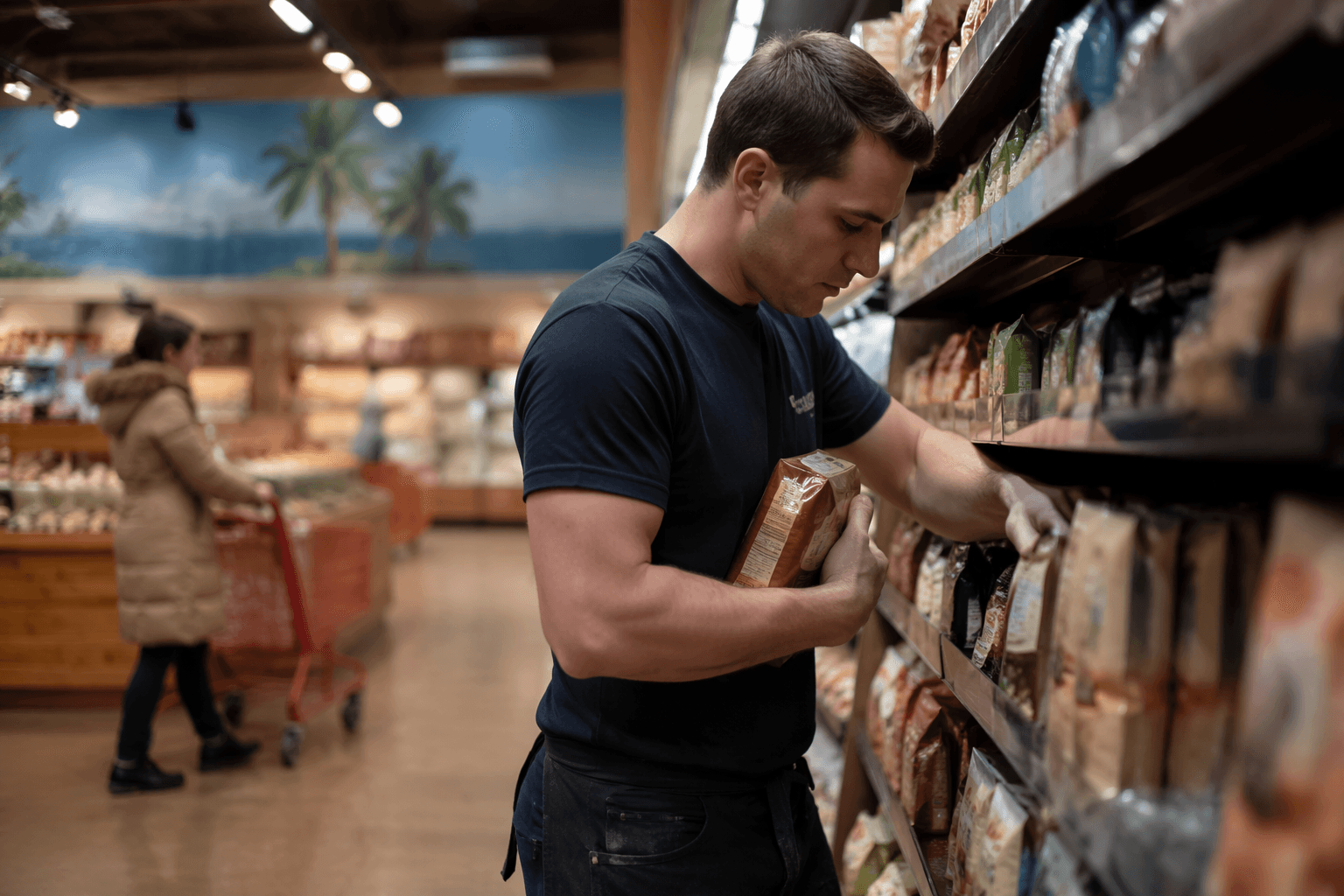
Trader Joe’s private label strategy aligns with grocery’s growing store-brand boom
Store brands are now a grocery power center, and Trader Joe’s is built for that shift. The real change starts behind the shelves, in forecasting, replenishment, and distribution.
Trader Joe’s built for the store-brand era
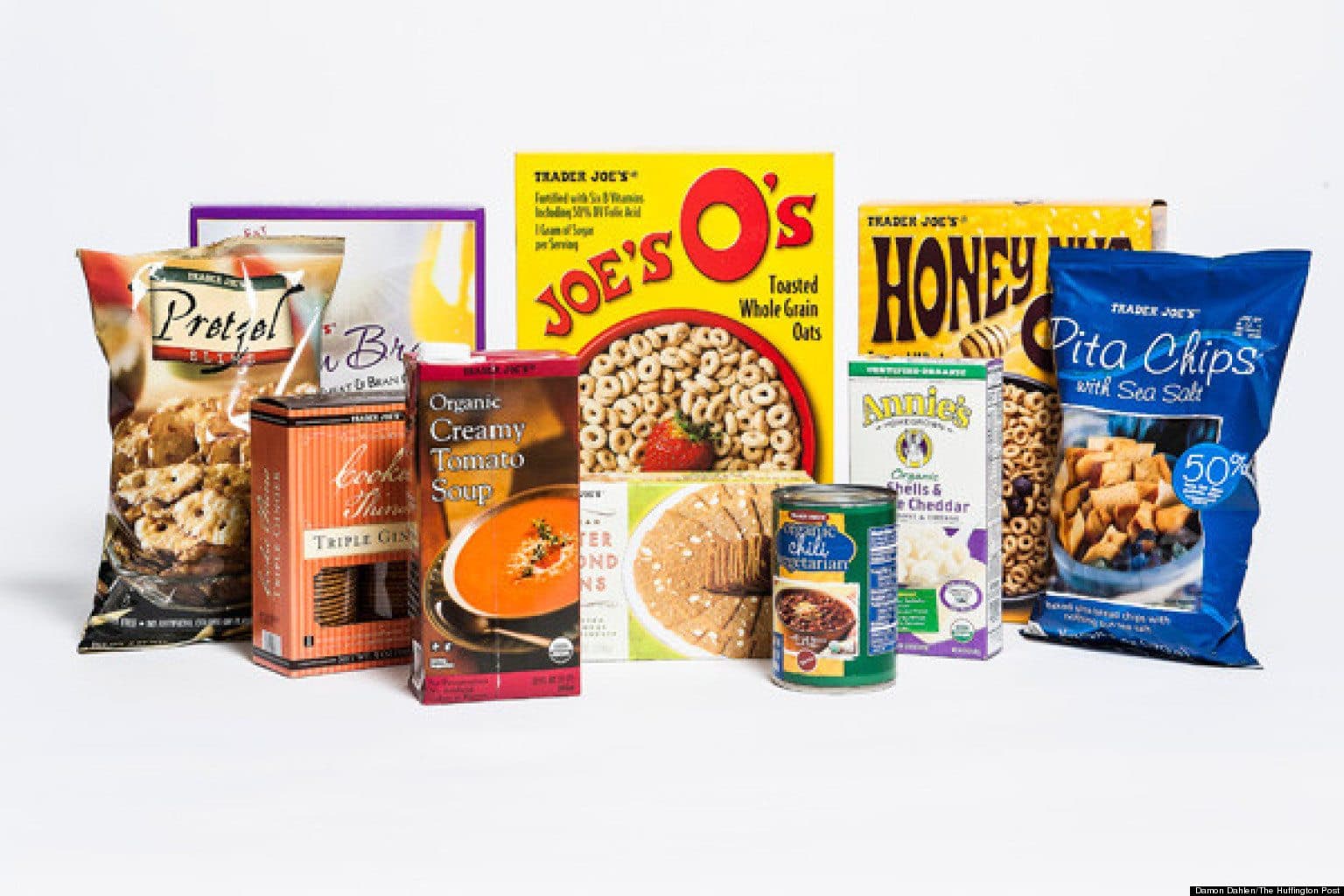
Trader Joe’s is no longer a quirky outlier in grocery. It is one of the clearest examples of how a private-label-heavy chain can turn curation into a business model, and why that model matters more as the rest of retail leans harder on efficiency tools. Circana’s 2026 private-label research says U.S. store-brand sales reached 330 billion dollars, with private brands taking 24 percent unit share and 23 percent dollar share, while FMI has described private brands as a growing and collaborative part of food retail. That is not a side bet anymore. It is the direction the market is moving.
Trader Joe’s was built for that reality long before store brands became fashionable. Joe Coulombe opened the first store in Pasadena, California, in 1967 after running Pronto Markets, and the format he created was never meant to look like a conventional supermarket. The company still frames itself around a limited, edited assortment, saying its buyers travel the world, that each product goes through a rigorous tasting panel process, and that branded items are not the point of the store. The store is.
What private label changes on the floor
For crew members, Trader Joe’s private-label model changes the job in ways that matter every day. More than 80 percent of the products it sells are private label, and the company says it does not collect slotting fees. That means the chain is not simply filling shelves with well-known brands and waiting for loyalty to do the work. It is relying on product curation, tasting, consistency, and presentation to create value.
That has real operational consequences. A store built around Trader Joe’s labels has to be disciplined about what gets stocked, how fast it moves, and whether the assortment feels fresh without becoming chaotic. The company’s promise is not breadth. It is editability. When that works, it creates the feeling crew members know well: a smaller store can still feel like a discovery engine because the products are deliberately chosen and the assortment is tight enough to stay memorable.
That also explains why efficiency improvements matter in a different way here than they do at a conventional grocery chain. The big opportunity is not to replace the shopping experience with machines. It is to reduce friction behind the scenes so people on the floor can spend more time helping customers and less time cleaning up avoidable execution problems.
Where automation matters first
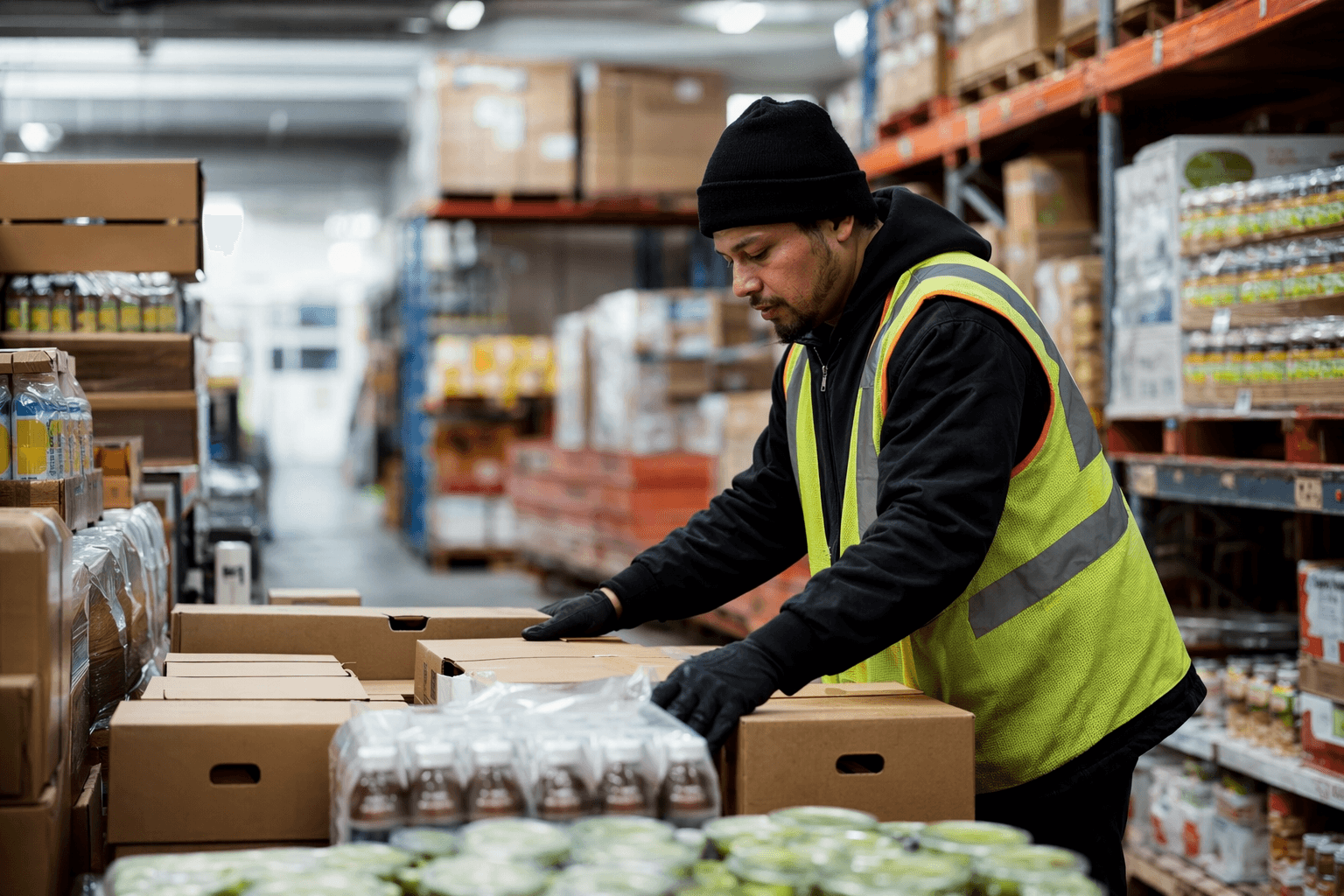
The most important changes in a private-label-heavy chain usually happen in forecasting, replenishment, distribution, and consistency. Grocery technology is getting more serious, and Grocery Dive has reported that grocers across the spectrum are implementing AI because it has become a must for competitiveness. Boston Consulting Group adds that autonomous delivery is still many years away for most of grocery, but could eventually change the economics of last-mile service for large operators.
For Trader Joe’s, the practical takeaway is narrower and more immediate. The chain does not need robots to define its storefront. It needs smarter tools that help it avoid empty shelves, overordering, and inventory drift in a limited-assortment business where each product carries more weight than it would in a massive supermarket. If automation helps the company predict demand more accurately, move product more cleanly, and keep stores better supplied, the biggest gain will be on the human side of the store: less administrative drag, fewer workarounds, and more time for the crew to do the service and product storytelling that define the brand.
That is why the strategic question is not whether Trader Joe’s becomes automated in the visible sense. The question is what changes first when efficiency tools improve. In this model, the answer is usually the invisible plumbing of the business. Better data changes how much product moves, when it arrives, and how consistently it appears on shelves.
Why expansion makes the model more important
Trader Joe’s is also scaling this formula. The company says it opened 34 new stores in 2024 and expected dozens more openings in 2025. Grocery Dive noted that the 2024 openings were more than five times the number opened in 2022 and triple the number opened in 2023, which signals expansion mode rather than maturity. That matters because the more stores Trader Joe’s opens, the more the private-label system has to perform consistently across markets without losing the feeling that each store is still curated.
This is where the chain’s original identity and its current growth strategy line up. A smaller assortment is easier to replicate if the sourcing, tasting, distribution, and replenishment systems are strong. The model only works at scale if store teams are not overwhelmed by back-end complexity. For managers, that means the real challenge is not preserving a museum piece. It is keeping a disciplined product machine from becoming operationally sloppy as the footprint grows.
Customer loyalty and the labor tension underneath it
Trader Joe’s still has the kind of customer loyalty most grocers would kill for. The American Customer Satisfaction Index’s 2025 supermarket study put Trader Joe’s at 84, tied with Publix, at the top of the category. That helps explain why the chain’s stripped-down, private-label approach continues to resonate even as competitors pour money into technology and automation. Customers are not just buying groceries. They are buying trust in the edit.
But the workforce side of that equation is less simple. Trader Joe’s workers at the Rockridge store in Oakland voted 73-53 to unionize in 2023, making it the first California location to do so. The Hadley, Massachusetts, store became the first Trader Joe’s location to unionize, and that store later became the center of a decertification push, a reminder that not every worker experiences the company’s culture the same way. In 2024, the National Labor Relations Board sought an order compelling Trader Joe’s to recognize and bargain with the Trader Joe’s United union in one case, and reporting in 2025 described unfair-labor-practice disputes at several locations.
That conflict matters for the business strategy as much as it does for labor relations. Trader Joe’s has long sold a people-centered culture alongside its product curation. If the company wants to keep expanding while protecting that reputation, it has to show that operational efficiency is not just a management goal but a way to support better conditions on the floor. A store that runs cleaner, forecasts better, and wastes less time on avoidable tasks is still a people business. It just has less room for friction.
The real test for Trader Joe’s
Trader Joe’s is not facing an automation story in the usual sense. It is facing a scaling test. The company’s private-label identity, its no-slotting-fee model, its tasting-panel discipline, and its limited assortment all point to a retailer that wins by editing the grocery experience better than its rivals do. As store brands gain share across the industry, that advantage looks less like a novelty and more like a blueprint.
The practical question for crew and managers is straightforward: when the tools get better, what changes first? At Trader Joe’s, the answer should be the machinery behind the shelves, not the character of the store itself. The chains that win next will be the ones that keep the floor human while making the back end smarter, and Trader Joe’s is already built closer to that future than most grocers realize.
This article was produced by Prism’s automated news system from verified source data, official records, and press releases, then run through automated quality and moderation checks before publishing. The system is built and supervised by the people who set the standards it runs under. Read our full AI policy.
Did this article answer your question?