Trader Joe's explains its careful, crew-driven store expansion process
Trader Joe’s expansion starts with neighborhood math, not empty buildings. The chain screens parking, access, loading space, and crew fit before a store ever gets a sign.

Trader Joe’s growth is deliberate, not opportunistic
Trader Joe’s does not treat expansion like a race to fill vacant retail space. In its own podcast, the company says growth is “controlled,” each neighborhood store has to be unique, and a location has to clear an internal checks-and-balances review before the chain moves forward. That matters because the company now describes itself as a national chain of 622 stores and counting, with more than 67,000 crew members, so every new opening can ripple through hiring, workload, and promotion paths across the system.

What the company is actually screening for
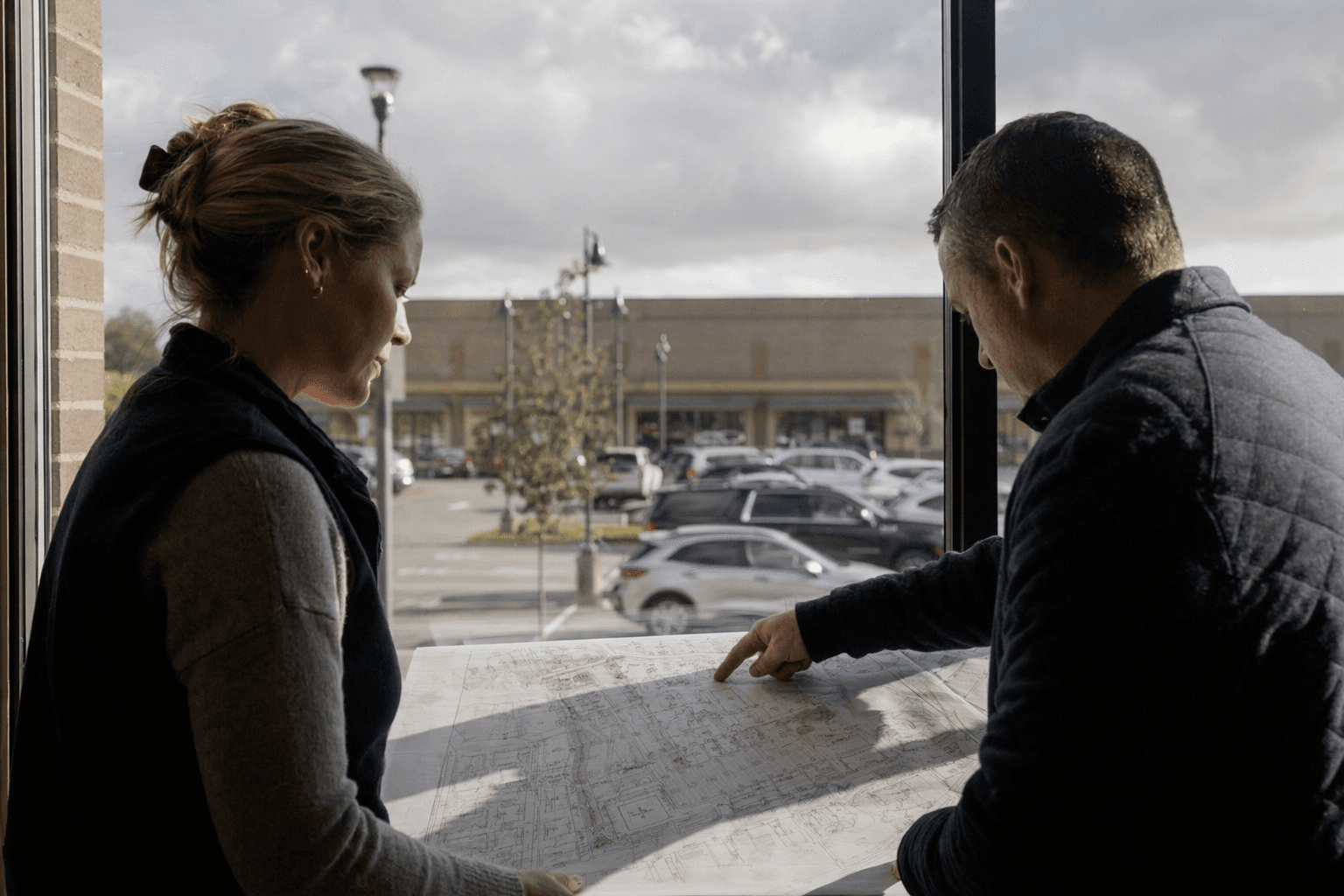
The real estate test is about more than whether a building is available. Trader Joe’s has said it looks at population density, traffic patterns, and whether people can reasonably travel to the store from the surrounding trade area. It also weighs accessibility, visibility, parking, square footage, loading docks, and overall size, because the company does not want a store that feels undersized or awkward. The standard is simple and strict: if the site does not check every box, it does not become a Trader Joe’s.
Why crew feedback matters more than online noise
Trader Joe’s has also been blunt that social-media pleas do not decide where stores go. Matt Sloan said those requests have little, if any, impact on site selection, and the company’s own podcast says it listens to crew members and customers, then sends out real estate teams to study areas already showing demand. That is a useful correction for shoppers who assume expansion is a popularity contest. In practice, a dense neighborhood with awkward traffic, limited access, or poor parking can beat a louder online campaign every time.
What this means for transfers, promotions, and the crew bench
This process is not just real estate news. It is hiring news, transfer news, and promotion news for the people already working in the system. Trader Joe’s careers page says mates can be promoted from crew members or hired externally, but the captain role is always promoted from within, which means a new store can open up a ladder for experienced crew who are ready to move into leadership. The company also says it pays well, reviews crew performance twice a year, and gives employees the potential to earn an average 7 percent annual increase, so store growth is tied directly to pay, advancement, and retention, not just geography.
That is why site discipline matters so much to managers. A store that is too small or too hard to receive freight can become a permanent operational headache, while a well-planned location can create room for better flow, fewer bottlenecks, and a healthier training environment for new crew. Trader Joe’s has been careful to frame that as a people issue as much as a building issue: the company says each store is different, and the crew has to be able to run it smoothly from day one.
The Boston example shows why layout is not an afterthought
The podcast’s Boston stop makes the point plainly. At one older Boylston Street store, customers were often shopping in line because the unit was so small that queues could run to the registers. The newer nearby store changed that dynamic by giving shoppers room to browse seasonal products instead of grabbing items and rushing out. That is the practical side of Trader Joe’s expansion philosophy: a new location is not just a pin on a map, it is an attempt to fix the operational pain created when the wrong box is forced to carry the wrong volume of customers.
A chain with a long memory and a still-growing footprint
The company’s own history traces the first Trader Joe’s to South Pasadena in 1967, when Joe Coulombe launched the concept that would become the brand. By the 1990s, under John V. Shields, the chain had expanded beyond California into Phoenix, then into the Pacific Northwest and East Coast markets including Boston, Washington, D.C., and New York. That history helps explain the modern version of Trader Joe’s expansion: it has never been a stampede, but it has also never been static.
The numbers show the balance. Trader Joe’s says it opened 34 stores in 2024 and said it would open dozens more in 2025, with planned sites including Hoover, Northridge, Sherman Oaks, Tarzana, Rockville, Staten Island, Berwyn, Murfreesboro, Bellingham, Seattle, and two Washington, D.C. locations. In other words, the company is still growing fast by retail standards, but it is doing so on its own terms, one carefully screened neighborhood at a time.
What a new store looks like once it clears the bar
Trader Joe’s recent Woodinville, Washington announcement is a clean example of how the process becomes public only after a site makes it through the company’s filter. The chain said on May 7, 2026 that it had found a “terrific location” in Woodinville and scheduled a grand opening for May 15, 2026, with the store listed at 14035 NE Woodinville Duvall Rd, Woodinville, WA 98072. For crew and managers, that is the key lesson: the announcement comes after the discipline, not before it.
That is why Trader Joe’s expansion is best understood as a staffing and operations decision disguised as a real estate story. The company wants a neighborhood fit that can support the store, the store that can support the crew, and the crew that can keep the brand’s promise intact.
This article was produced by Prism’s automated news system from verified source data, official records, and press releases, then run through automated quality and moderation checks before publishing. The system is built and supervised by the people who set the standards it runs under. Read our full AI policy.
Did this article answer your question?