Stater Bros. taps NCR Voyix to modernize POS and payments, improve operations
Stater Bros. will move onto NCR Voyix’s Commerce Platform, with lab work starting in Q3 2026 and rollouts in 2027. The upgrade puts checkout speed and staffing at the center.
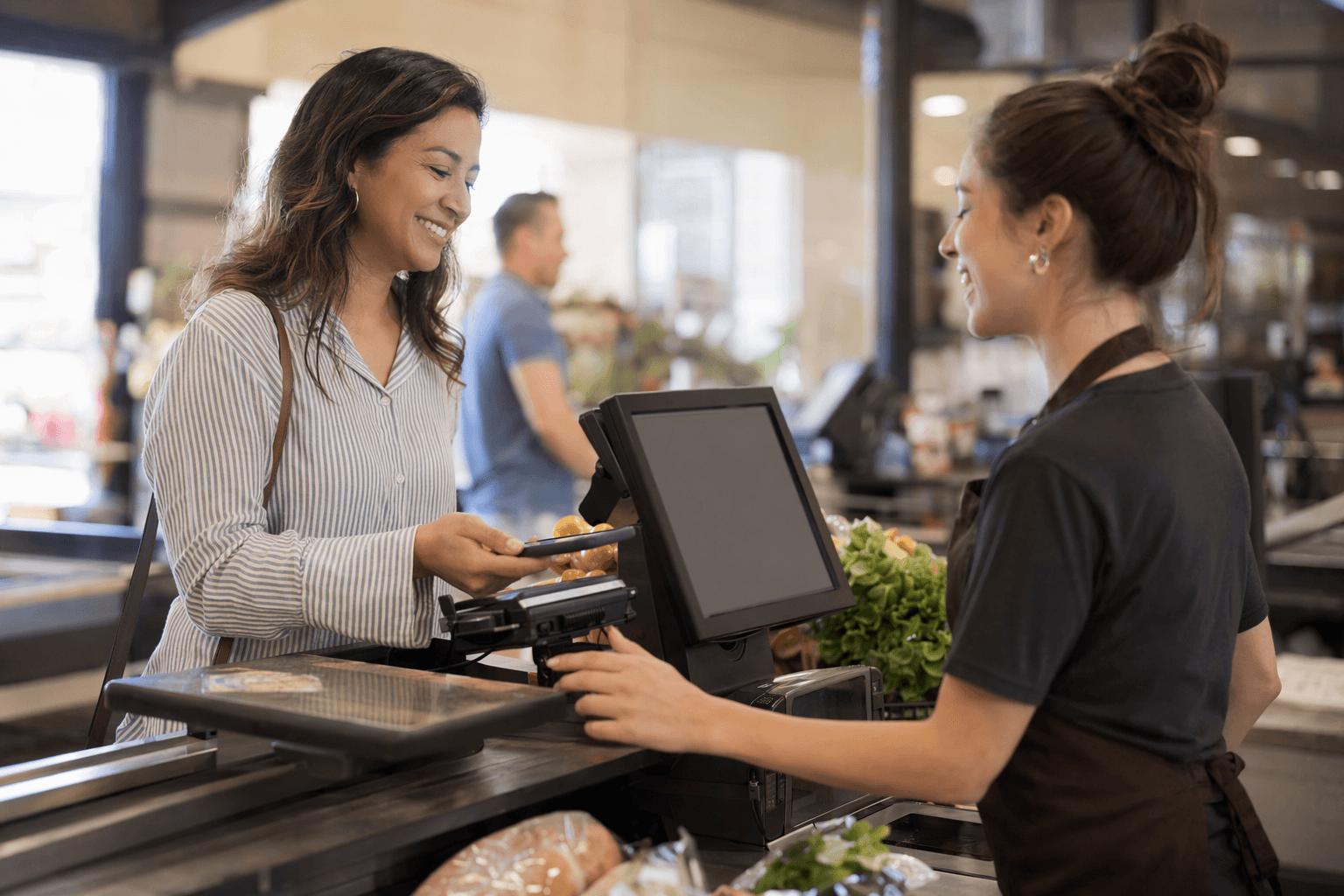
Stater Bros. Markets has chosen NCR Voyix to overhaul point-of-sale and payment systems across its stores, a move that pushes checkout technology squarely into the company’s operations playbook. The grocer said the work is expected to start in the third quarter of 2026 with initial lab efforts, then move into phased deployments beginning in 2027 as the chain shifts onto the Voyix Commerce Platform.
For store crews, the significance is less about the brand name of the software than the way a new front-end system changes daily work. POS upgrades can alter how cashiers are trained, how fast lines move, how often leaders have to step in on exceptions, and how much troubleshooting lands on the front end during peak periods. Stater Bros. said the investment is meant to strengthen store-level operations, improve reliability, increase efficiency, and better support customer expectations.
Gil Salazar, Stater Bros. Markets’ senior vice president and chief information officer, said the company has served Southern California families for generations and is investing in technology to empower teams and improve the customer experience every day. That language matters because payment systems are no longer just back-office tools. In grocery, they shape whether the last five feet of the shopping trip feels smooth or slows the whole store down.
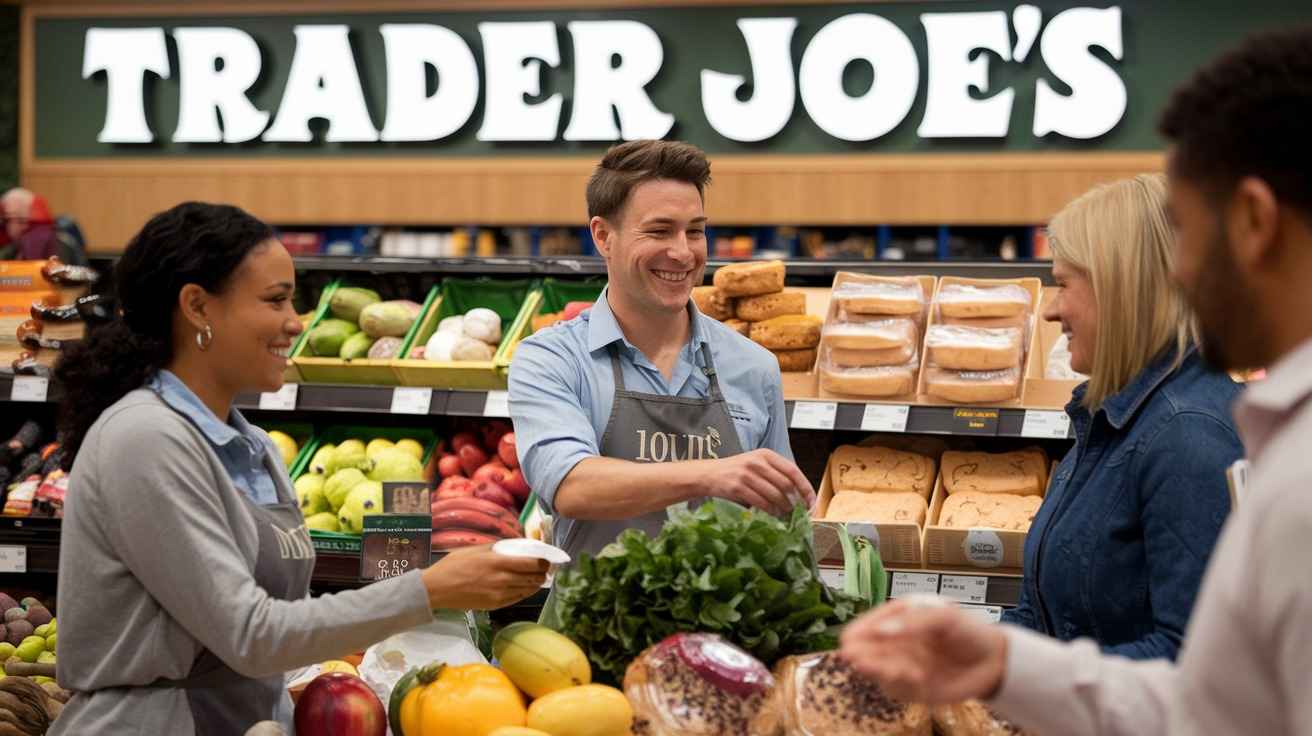
That is a useful comparison point for Trader Joe’s crews and managers. Trader Joe’s runs on a deliberately store-centered model, with merchandising, marketing, operations, human resources, information technology and finance all supporting stores, and the company says its office team is lean. Its crew structure also puts people at the center: Crew Members are supported by Merchants and Mates, and Mates are responsible for training, guidance and development on the floor.
Trader Joe’s also keeps its customer model tightly focused on in-store execution. The chain does not sell products online, does not offer curbside pickup or delivery, and accepts mobile payments including Apple Pay, Google Pay and Samsung Pay, along with credit and debit cards, cash, personal checks, EBT cards and physical Trader Joe’s gift cards. That makes checkout performance a daily operating issue, not an IT side project.
When a competitor modernizes payments, it can reset what shoppers expect from a grocery line. For Trader Joe’s, the lesson is straightforward: technology changes matter most when they help the crew move faster, handle exceptions cleanly and preserve the friendly, efficient store experience that the chain depends on.
Know something we missed? Have a correction or additional information?
Submit a Tip