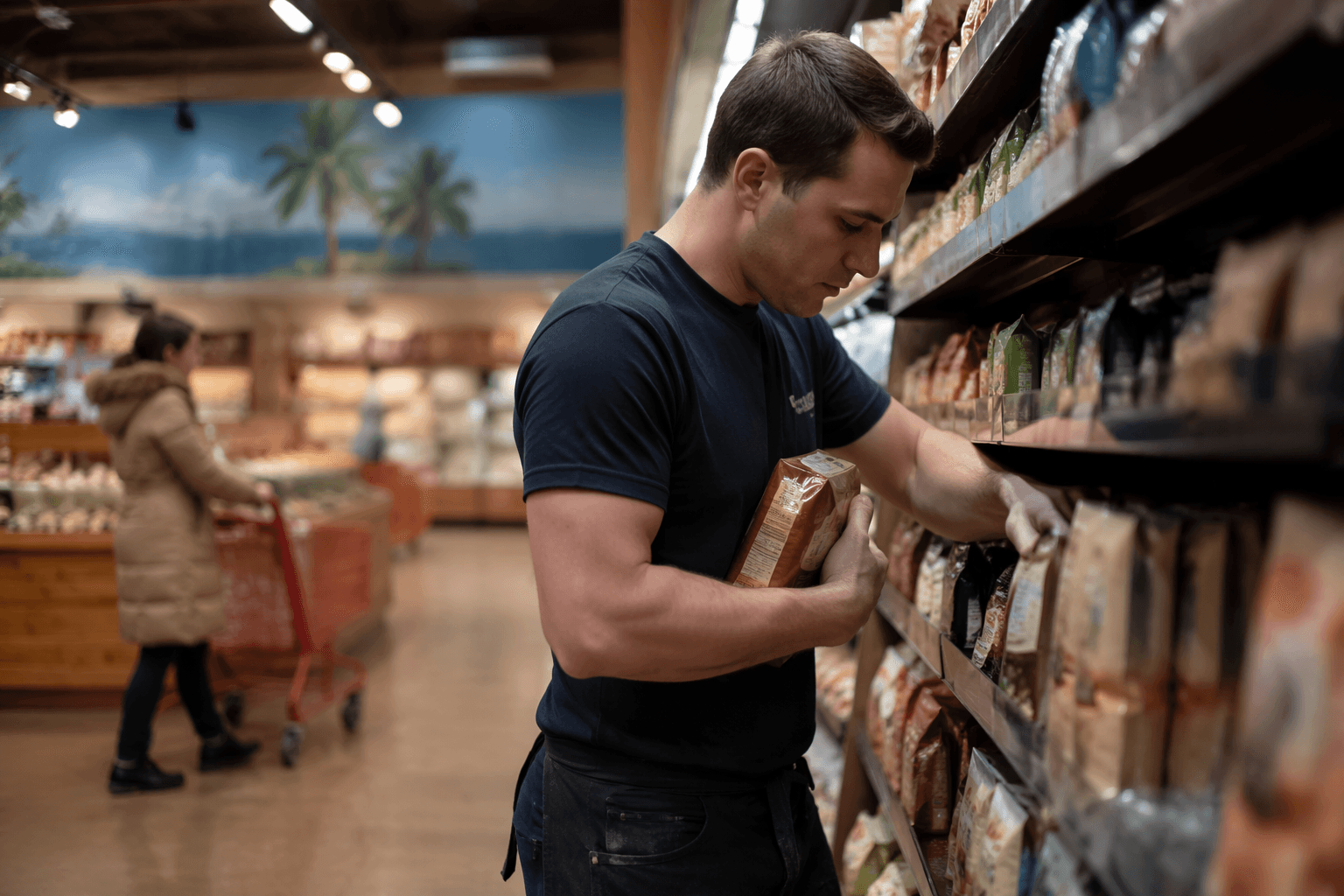
Trader Joe's Faces Generational Friction as AI Reshapes Grocery Workplaces
Trader Joe's crews are caught between retiring veterans and faster-moving AI tools, and the real risk is losing the store knowledge that keeps the floor running.

The pressure point
A grocery floor can lose more than half a workday a week when generational friction starts eating into the shift. That is the scale of the problem Jose Tamez puts on Trader Joe's radar, and it is not just about attitude. It is about speed, product knowledge, handoffs, and whether the next crew member learns enough before the person beside them leaves.
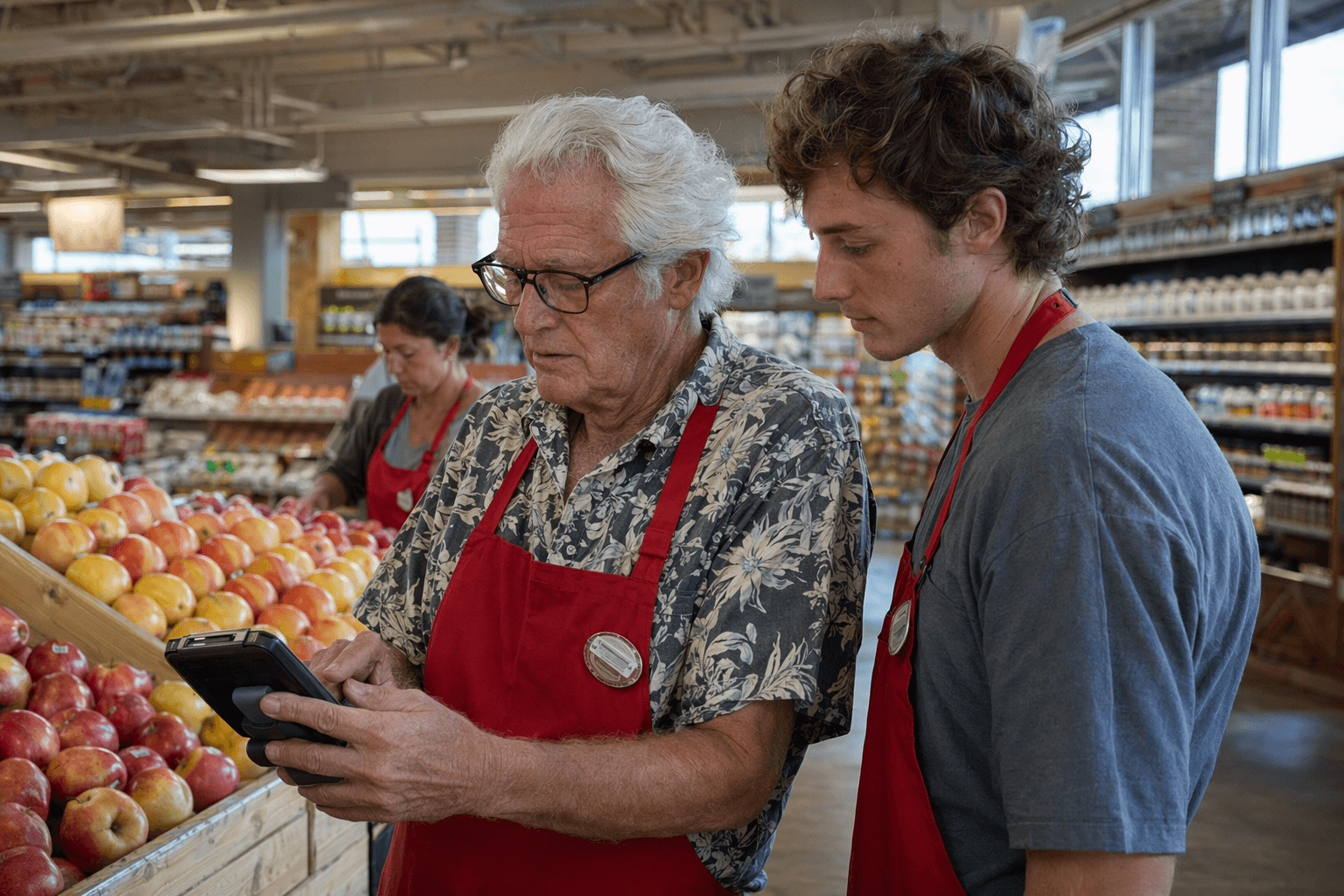
The biggest takeaway from the labor research is blunt: generational conflict is now a measurable business cost. Clari and Salesloft say that tension costs organizations an average of 5.3 hours per employee each week, with an estimated annual hit of $56 billion for U.S. employers in revenue-generating roles. In a 2,000-person survey conducted with Workplace Intelligence, the same research found that 19% of baby boomers were planning to retire early because they were tired of dealing with Gen Z at work, while 39% of Gen Z respondents said they would rather be managed by AI than by a baby boomer.
That is the part Trader Joe's managers should not shrug off as culture-war noise. On a store floor, friction between generations can slow training, create avoidable mistakes, and leave customer questions unanswered by the wrong person at the wrong time. The issue is not which age group is better. It is whether a store can keep institutional memory alive while newer workers expect faster feedback, clearer boundaries, and more digital support.
Why Trader Joe's is especially exposed
Trader Joe's is built on the kind of human labor that software can support but not replace. The company says it does not sell products online and does not offer curbside pickup or delivery, because it wants to preserve the in-store experience. It also describes its stores as depending on “knowledgeable, friendly Crew Members,” a phrase that gets closer to the heart of the operation than any tech slogan ever could.
That model makes worker-to-worker knowledge transfer central, not optional. The chain's own materials say it has been transforming grocery shopping into “a welcoming journey full of discovery and fun” since 1967, and that vision only works if crew members can explain products, steer customers, and keep the line moving without flattening the personality of the store. Trader Joe's says it opened 34 new stores in 2024, which means the pressure to recruit and train quickly is only growing.
The company also says its office crew is small and split between Monrovia, California, and Boston, Massachusetts, while 99% of its people are in stores or traveling to source products. That matters because it means most of the real work, and most of the real learning, happens far from headquarters. Trader Joe's says it values feedback from customers and crew, but responses can take time because so many people are out on the floor. In a business like this, delay is not just an inconvenience. It can be a sign that knowledge is trapped in the store instead of being codified for the next person.
What should be codified before veteran crew retire
For Trader Joe's, the urgent management question is not whether to adopt more digital tools. It is what knowledge should be written down before experienced crew members walk out the door. The answer starts with the practical skills that keep the floor stable:
- How to explain products in plain language when customers want a recommendation
- How to spot when a line is turning into a service problem before it becomes one
- How to teach a new hire the rhythm of stocking, checking, and customer help without overwhelming them
- How to handle product questions when items are seasonal, limited, or changing fast
- How to pass along store-specific habits that are never captured in formal policy
Those are the kinds of lessons older workers often carry without thinking about them, which is exactly why they disappear when turnover hits. If Trader Joe's wants to stay true to its crew culture, it should treat those skills as operational assets, not unwritten folklore. A store that leaves product knowledge inside one veteran's head is a store that has already accepted avoidable risk.
What still depends on human judgment
AI can help sort information, standardize training, and speed up routine tasks. It cannot replace judgment in the moments that make a Trader Joe's store feel human. A crew member still has to decide when a customer needs a quick answer, when they need a full explanation, and when a simple substitution would miss the point of what the shopper is trying to do.
That is where the generational divide becomes a management test. Older workers may be tempted to dismiss newer coworkers as dependent on tools or too quick to question tradition. Younger workers may see veteran habits as rigid or slow. But on a Trader Joe's floor, both instincts can be useful if management channels them well. Experience gives the store memory. Newer workers often bring comfort with digital systems, sharper boundaries around feedback, and a willingness to challenge procedures that no longer fit.
The danger is when one side feels ignored. Experienced crew members can feel pushed aside just as they become most valuable as trainers. Newer workers can feel overmanaged if every task is monitored but not explained. The result is exactly what the research warns about: lost time, lower morale, and a customer experience that suffers because the team is spending energy on each other instead of the store.
What managers should do now
Trader Joe's managers do not need a grand reinvention. They need a deliberate handoff plan. The chain's culture has long depended on store-level pride, and that is an advantage only if the knowledge gets shared in a way the next crew can absorb.
A useful starting point would be a simple rule: anything that a veteran crew member gets asked three times should be documented once. That includes product talking points, line-management routines, training shortcuts, and the specific judgment calls that keep service warm without slowing the floor. AI and other digital tools can organize that knowledge, but the content still has to come from people who know the work.
The same is true of feedback. If Trader Joe's wants to preserve its reputation for a strong crew culture while expanding, it has to make room for two-way coaching, not just top-down instruction. The stores that will hold up best are the ones that can turn experience into a shared asset before retirement, burnout, or turnover drains it away. In a chain that still bets everything on the in-store encounter, that handoff is the real future of the business.
This article was produced by Prism’s automated news system from verified source data, official records, and press releases, then run through automated quality and moderation checks before publishing. The system is built and supervised by the people who set the standards it runs under. Read our full AI policy.
Did this article answer your question?