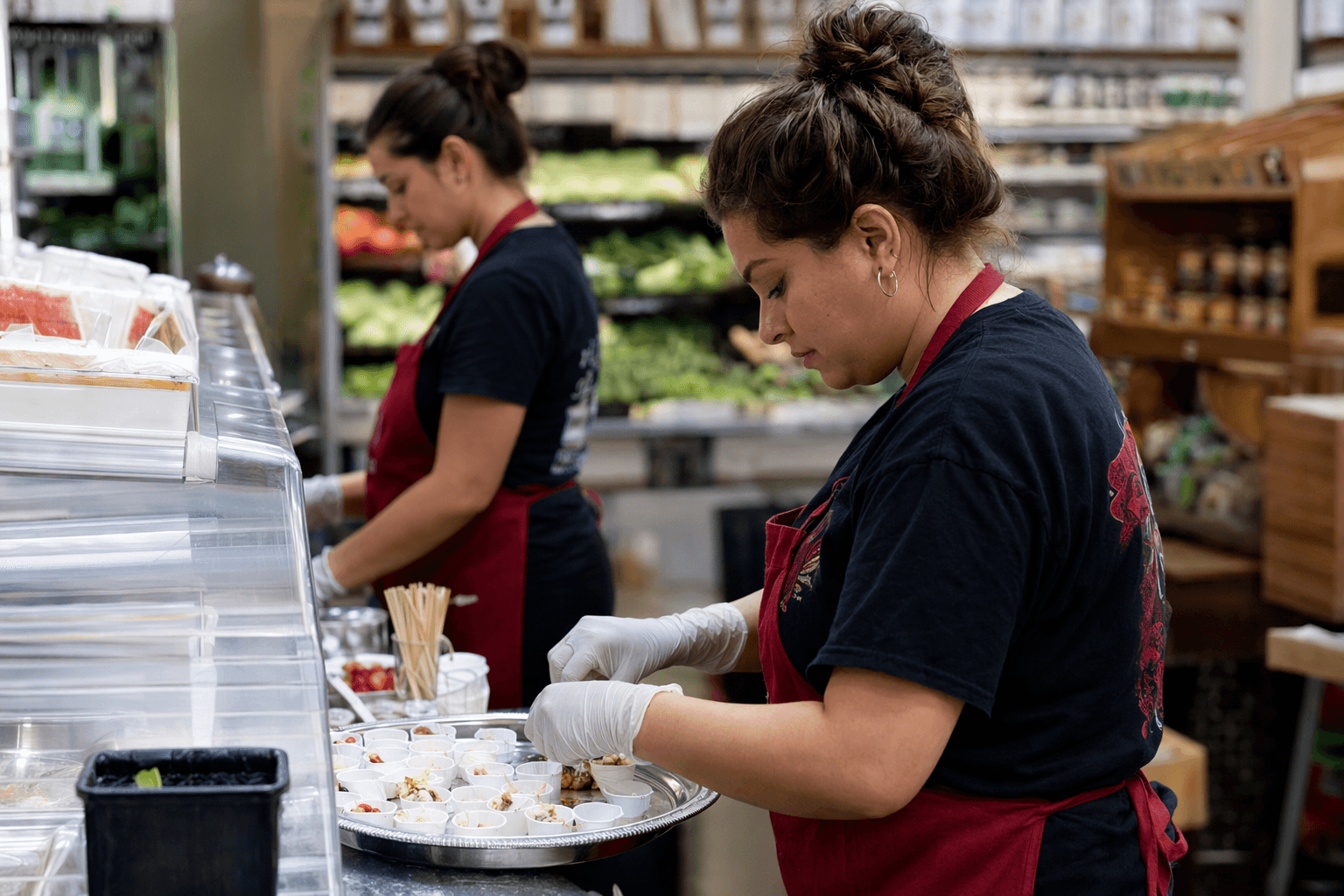
Trader Joe’s tells shoppers recycling rules depend on local waste systems
Trader Joe’s is telling crews to start with local waste rules, not package labels, when shoppers ask what can be recycled or composted.
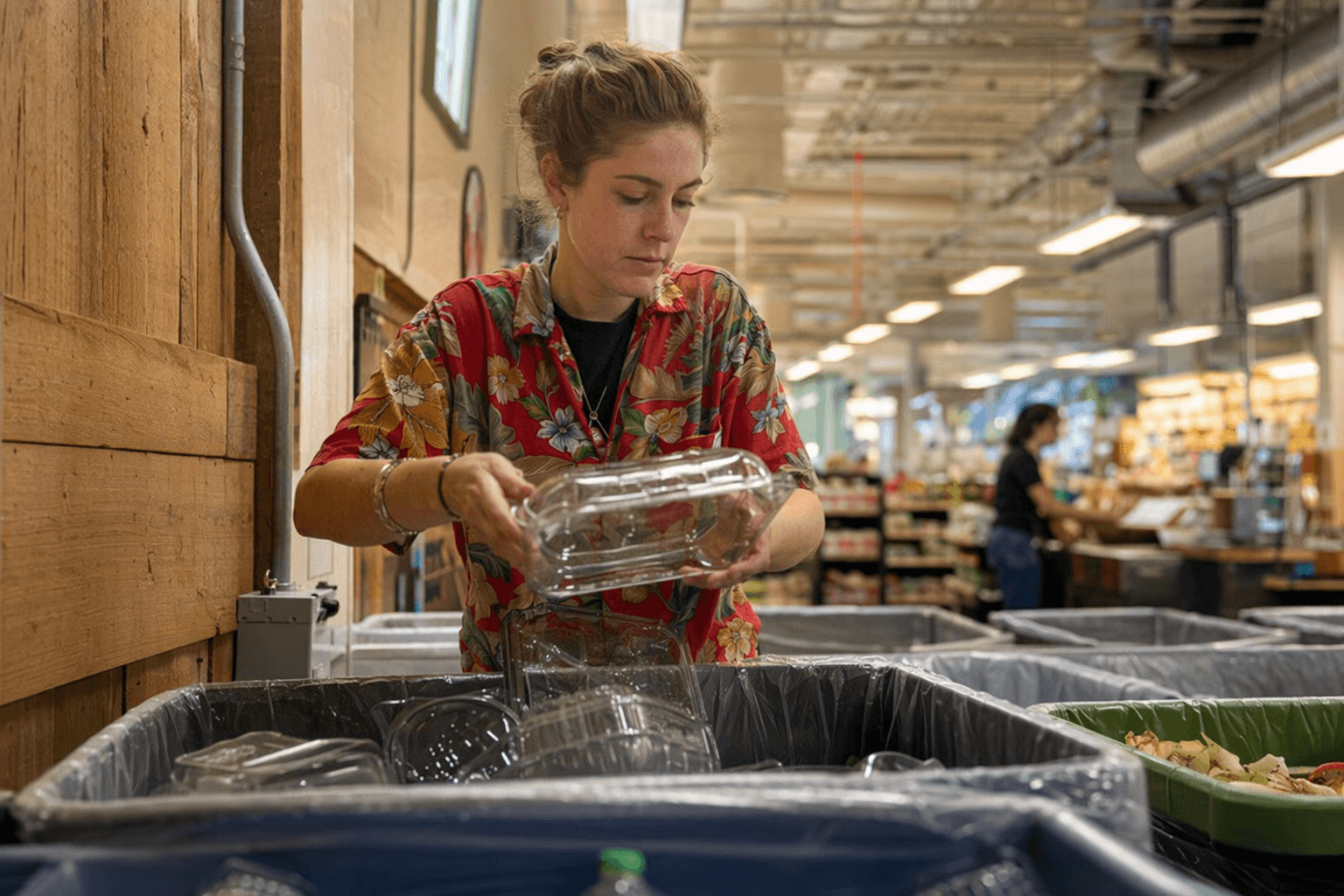
Trader Joe’s is giving crew members a simple script for a question that comes up constantly at the register and on the sales floor: do not guess, and do not promise that a package works the same way everywhere. The company’s recycling and composting FAQ says customers should check with their local waste management program because every recycling system has its own process, even when the package looks straightforward.
The practical guidance is specific. Trader Joe’s says glass jars and bottles are accepted by most large cities, but shoppers still need to verify whether metal lids or caps should be separated. Cardboard is generally accepted by most curbside programs and is often preferred flattened. Paperboard should be clean and dry, because soiled materials can damage equipment. Empty cartons do not need rinsing before recycling if they are empty. For plastics, the company points customers to resin numbers, often found inside the chasing-arrows triangle, as the starting point for identification.
That kind of detail matters because the questions crew gets are rarely abstract. Seasonal packaging, wine cases, and cartons all create disposal questions that can be easy to answer badly if the conversation turns into a blanket yes or no. Trader Joe’s own guidance points in the other direction: explain the basic material category, then send the customer back to the city or hauler for the local rules that decide what actually happens after pickup. For front-line employees, that is the difference between sounding helpful and overpromising.
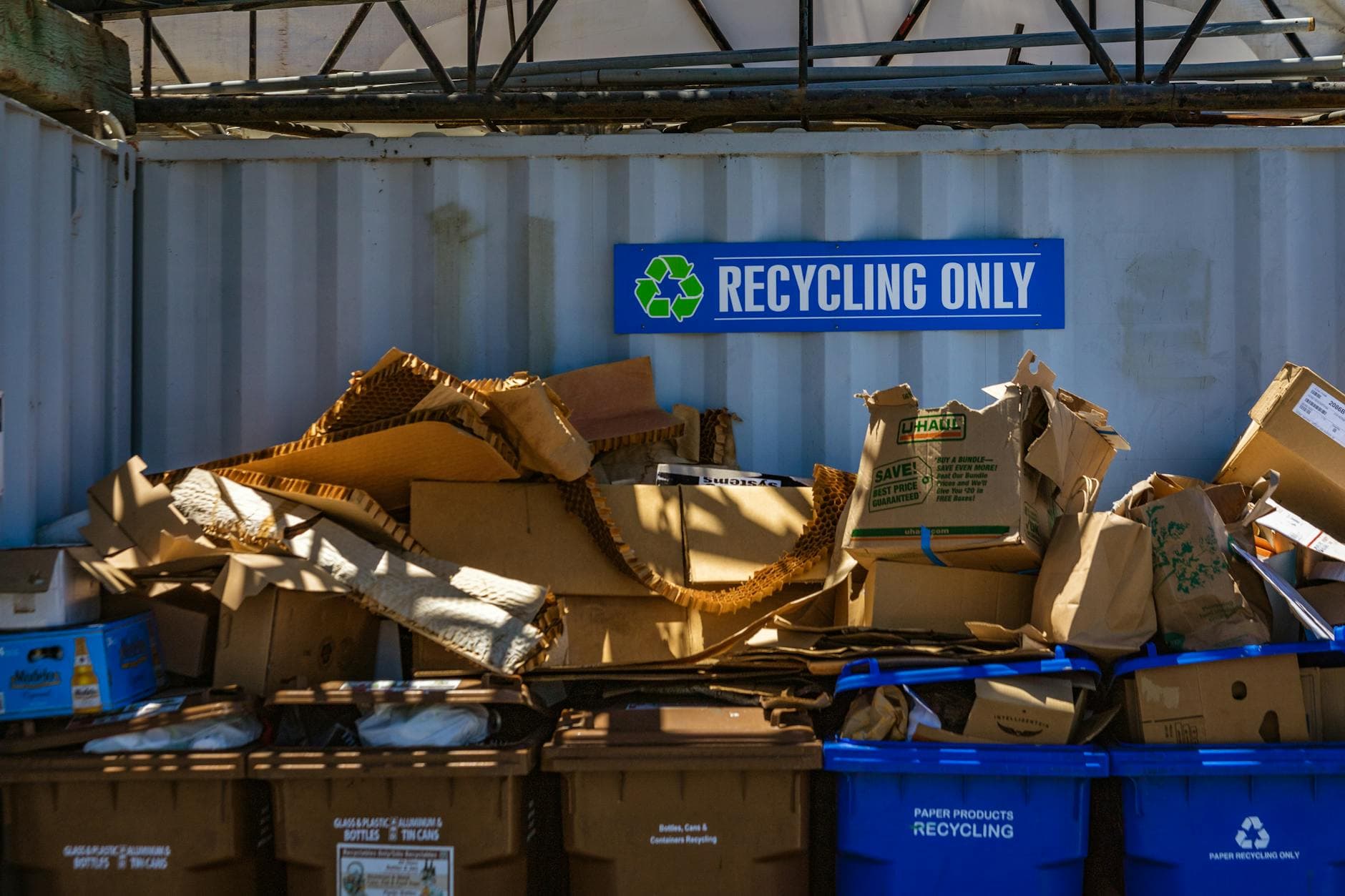
The broader waste picture explains why the company lands on that nuance. The U.S. Environmental Protection Agency says composting is fundamentally local, with organic material often processed near where it is generated. The agency also said the United States generated 66.2 million tons of wasted food in 2019, but only 5% was composted. Landfills were the third-largest source of human-related methane emissions in the country in 2022, accounting for about 14%. In other words, whether a carton, bottle, or food scrap belongs in a bin depends less on the logo printed on it than on the infrastructure serving the store and the shopper’s home.
Trader Joe’s has been trying to position itself inside that larger packaging debate for years. In 2019, it said it would eliminate more than 1 million pounds of plastic from stores. Later industry coverage said the chain was on track to beat that goal by another 3 million pounds in fresh packaging reduction, and a later media report citing a sustainability fact sheet said Trader Joe’s had removed more than 12 million pounds of plastic packaging from its products. That history makes the FAQ more than a customer-service page. It is the chain’s current answer to a question that reaches from the shelf to the curb: what can go in the bin, and who decides.
Know something we missed? Have a correction or additional information?
Submit a Tip