Trader Joe's workers may gain protection from last-minute schedule changes
Crew in covered cities can get 14 days' notice, extra pay for late changes, and clopening limits, but only if they save the schedule and flag the miss.
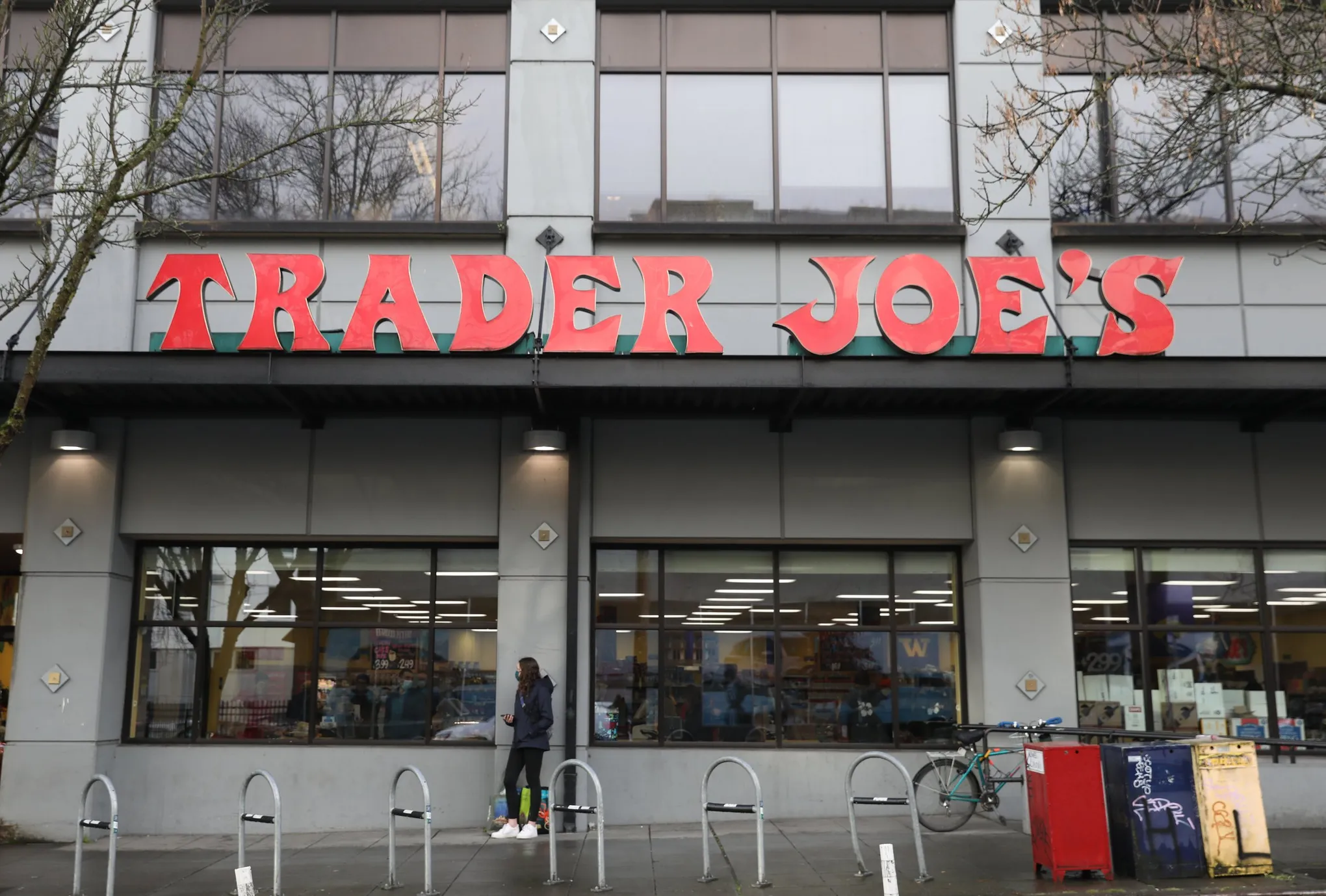
Trader Joe's settled allegations that its University District store in Seattle failed to post employees' schedules with two weeks' notice between May and October, ending the case with a $44,528 payment to 129 current and former employees. Predictive scheduling laws are meant to protect workers from last-minute changes that can undercut income, and the same logic reaches grocery crews who juggle school, childcare, second jobs and transit.
These protections are local, not national. Federal wage law does not set an advance-notice rule for schedules, so whether a Trader Joe's crew member can demand notice, premium pay or rest between shifts depends on the state or city where the store operates.

What the Oregon rule means for crew
Oregon gives a clear example of how predictive scheduling works on the ground. State law requires an employer in covered retail, hospitality or food service to provide a work schedule in writing at least 14 calendar days before the first day of that schedule. The schedule must be posted in a conspicuous and accessible place and, in English and in the language the employer typically uses to communicate with employees.
For Trader Joe's, changes after the written schedule has already been issued can trigger rights under local law. If a crew member is added to a shift, cut from a shift or moved after the written schedule has already been issued, the timing of that change can determine whether the worker has a right to decline the shift or seek extra compensation under local law. Oregon's predictive scheduling protections cover last-minute changes that could negatively affect income, including a shortened week or surprise coverage request.
Where Trader Joe's crews may have protections
Trader Joe's workers in Oregon are not the only ones with protections tied to scheduling volatility. Seattle has its own scheduling law.
New York City adds another layer. Under the city’s retail Fair Workweek Law, retail workers can receive predictability pay for each change to a scheduled date, time or location. That means even a change that looks minor from a manager's desk, like moving a shift from one time slot to another or shifting a worker to a different location, can trigger pay obligations if the store is covered.
Philadelphia also matters for chain retail workers. Its fair workweek ordinance covers retail, food service and hospitality employees at employers with at least 250 employees and 30 or more locations worldwide.
What counts as a problem shift
The changes that usually raise the biggest issues are the ones that arrive too late for a crew member to plan around them. That includes a shift that is added after the posted schedule, a shift that is shortened after the fact, a last-minute swap to a different day or location, or a clopening situation where a worker is asked to close late and then return too soon for the next opening shift.
In Oregon, employees have a right to rest between shifts unless they request or agree otherwise. That practical clopening protection matters because the harm is not just fatigue. A too-short turnaround can also create childcare problems, transportation problems and lost sleep that carries into the next shift.
What to do if your schedule changes
If your shift is moved, cut or added with little notice, documentation is the difference between a vague complaint and a real claim. Start with the posted schedule and save it the moment it goes up. If your store uses text, email or an app to communicate schedule changes, keep screenshots that show the original post, the date of the change and who sent it.
A simple process helps:
1. Save the posted schedule and note when it was first made available.
2. Keep every text, email or app message showing the change.
3. Write down whether the change was a cut, an added shift, a location swap or a clopening.
4. Compare the change with the notice rule that applies to your city or state.
5. Ask your manager or payroll contact whether predictability pay, reporting pay or another premium is owed.
6. If the issue is not corrected, take the records to the local labor agency that enforces the rule.
The Oregon posting rule makes the paper trail especially important, because the law requires the schedule to be posted visibly and in the languages used to communicate with employees. If the schedule was not posted correctly, or if it was changed after the deadline, that documentation can help prove it.
This article was produced by Prism’s automated news system from verified source data, official records, and press releases, then run through automated quality and moderation checks before publishing. The system is built and supervised by the people who set the standards it runs under. Read our full AI policy.
Did this article answer your question?