Trader Joe's workers push union drive for pay, time off and safety
Trader Joe’s crew is organizing around pay, paid time off and safety, with wins in Hadley and Minneapolis and a still-unresolved Chicago vote showing the campaign’s reach.
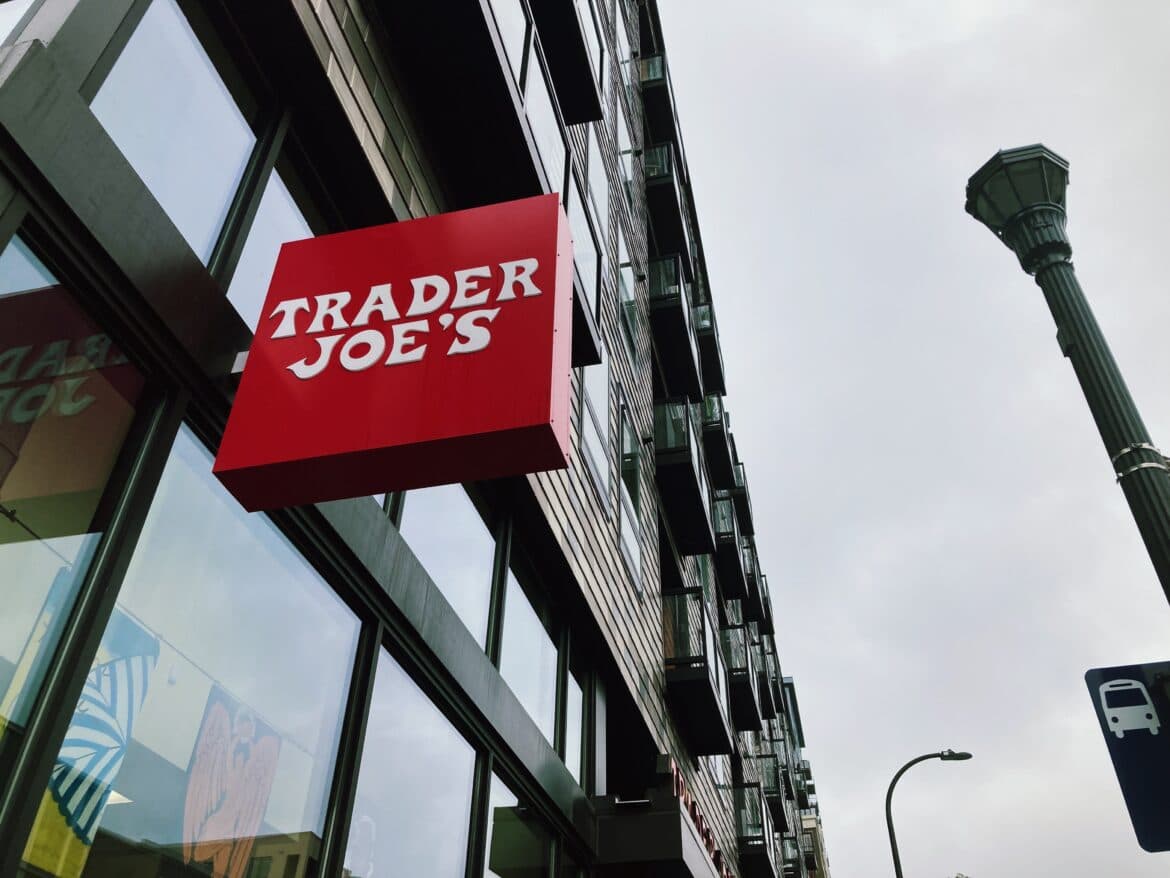
Trader Joe’s workers are organizing around the basics of the job: pay that keeps pace with the work, enough paid time off to recover from physically demanding shifts, and safety rules that make the floor more manageable. That push has turned the company’s friendly brand into a test of whether above-average wages and upbeat culture are enough when crew members still want a stronger voice over day-to-day conditions.
What crew members are trying to change
The core demands in this campaign are practical, not abstract. Workers want higher pay, more paid time off and additional safety measures, which maps directly to the realities of grocery work: lifting, repetitive motion, slip hazards and occasional customer conflict. In a store built around a cheerful crew culture, the organizing argument is that a positive brand is not the same thing as enforceable protections.
For current employees, the important piece is what a union could put into writing. A contract can turn complaints about pay progression, leave, staffing and safety into rules that management must follow, rather than promises that can change with each store or shift. That is why these drives tend to gain traction when employees think the company’s internal channels are not settling problems quickly enough.
How the first wins changed the campaign
The first Trader Joe’s store to unionize was in Hadley, Massachusetts, in July 2022, where workers voted 45-31 to join together. In that first Massachusetts drive, employees cited health and safety concerns and cuts to benefits at the grocery chain, showing that the campaign started with concrete workplace grievances rather than ideology.
A second store, in Minneapolis, voted to unionize in August 2022, giving the company its second unionized location. At that point Trader Joe’s had more than 500 stores, which made the win symbolically larger than a single site and showed that a small organizing foothold could matter across a national chain. Once workers at one store proved they could win, the issue stopped looking isolated.
Why pay, time off and safety keep coming up
Trader Joe’s has long been known for paying better than many grocery employers, and that matters to workers weighing whether to stay in retail. But above-average pay does not erase the strain of store work, especially when shifts are irregular and the job demands constant customer service on top of physical labor. That is where paid time off becomes part of the job-quality conversation, not just a perk.
Safety is equally practical. When workers ask for more safety measures, they are usually talking about the everyday floor conditions that determine whether the job is sustainable over months and years. For a grocery crew, that can mean having enough staffing to move safely, clearer procedures for hazards and a workplace where injuries and conflicts are handled before they become routine.
How the campaign spread beyond the first two stores
By 2024, the organizing had spread to multiple stores across different states, including a union election at Chicago’s North Center Trader Joe’s in April. That vote ended 70-70, with one contested ballot left in dispute, a reminder that even a strong showing can turn into a prolonged legal and administrative battle.
The Chicago effort was still unresolved in late 2024, and the workers still did not have a contract. That matters for employees watching from other stores because a union drive does not end with the vote count; it often moves into a slower fight over recognition, objections and bargaining. In practice, that means workers can spend months or longer waiting to see whether an election produces a contract with real changes on pay, time off and safety.
Why Trader Joe’s and the union keep ending up in court
Trader Joe’s United describes itself as an independent labor union founded and powered by Trader Joe’s workers, and it has framed its campaign around the slogan “For the Crew, By the Crew.” The union also ran a “Protect the NLRB” campaign in 2024, reflecting its view that the National Labor Relations Board is central to the organizing fight.
The legal conflict has become part of the story. In 2024, NLRB materials and later reporting indicated that the board found merit in unfair labor practice allegations in Hadley, giving the first union drive a separate legal dimension beyond the vote itself. Trader Joe’s also lost a trademark lawsuit against the union and later had to pay the union’s legal fees after a judge described the case as weak.
For workers, that legal backdrop matters because it shows how a company can use litigation to slow a campaign even after employees have voted. For managers, it is a warning that labor conflict does not stay confined to one store when workers think the normal channels are not working.
What the campaign says about the job itself
Trader Joe’s has built a strong reputation on upbeat service, crew pride and a workplace culture that many employees value. The organizing push suggests that reputation can coexist with unresolved complaints about the parts of the job that matter most on a Tuesday afternoon: whether the floor is staffed safely, whether time off is realistic and whether pay rises in step with responsibility.
That is why this campaign has lasted. The Hadley and Minneapolis wins showed that the issue is not limited to one region, and the Chicago tie showed how contested the road can be even after a store reaches a vote. At Trader Joe’s, union organizing has become a running check on whether a good brand is backed by a workplace contract that crew members can actually rely on.
This article was produced by Prism’s automated news system from verified source data, official records, and press releases, then run through automated quality and moderation checks before publishing. The system is built and supervised by the people who set the standards it runs under. Read our full AI policy.
Did this article answer your question?