Trader Joe's Workers Should Know FMLA Leave Rules and Eligibility
FMLA can protect a Trader Joe’s job during a real family or medical crisis, but the hours, tenure, and store-radius tests decide who gets it.
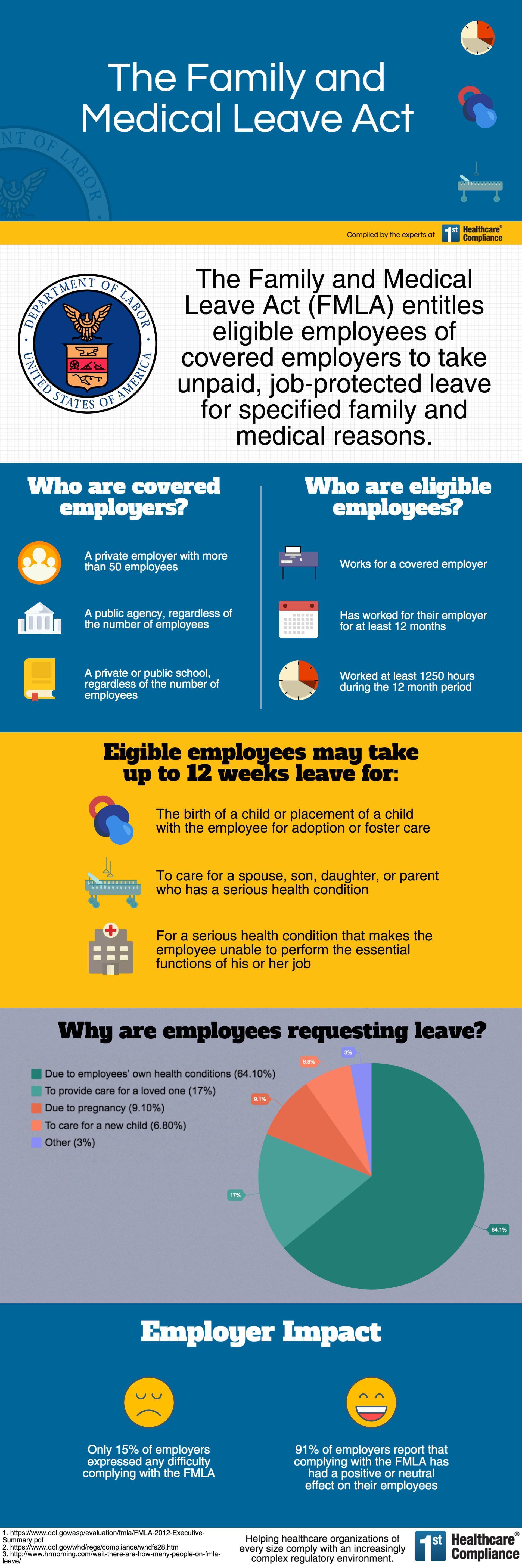
What FMLA actually protects
If you qualify, the Family and Medical Leave Act can keep your Trader Joe’s job attached to you while you deal with childbirth, surgery, a serious illness, or caregiving for a spouse, parent, or child. The federal law gives eligible workers up to 12 workweeks of unpaid, job-protected leave, requires that group health benefits continue under the same conditions, and says employees must return to the same or a virtually identical position when leave ends.

That distinction matters inside a workplace like Trader Joe’s, where culture pride runs high and the company likes to emphasize internal growth. FMLA is not a bonus perk or a manager’s favor. It is a legal floor that preserves the employment relationship, which is exactly why it can matter when a crew member’s life turns upside down and the long game, not just next week’s schedule, suddenly counts.
Who qualifies, and what the hours test really means
Eligibility turns on three core tests. You must have worked for a covered employer for at least 12 months, completed at least 1,250 hours of service in the prior 12 months, and work at a site where the employer has at least 50 employees within 75 miles. The 12 months do not have to be consecutive, and the 1,250-hour count includes only hours actually worked, not PTO, sick time, or other leave.
That hours rule is where retail workers can get tripped up. A crew member who has been with Trader Joe’s for more than a year still may miss the mark if too much time was unpaid or if work hours dropped below the federal threshold, because the law measures actual compensable work time. For pregnancy, the Department of Labor is explicit that complications tied to pregnancy can count against FMLA leave, so leave use can start before delivery itself if the medical situation demands it.
FMLA also covers more than the obvious surgery or new baby scenario. It can apply to a worker’s own serious health condition, care for a spouse, child, or parent with a serious health condition, and certain military family situations. That makes the law especially relevant in retail, where a worker may be balancing school, family caregiving, and a demanding schedule at the same time.
How Trader Joe’s own benefits fit around the law
Trader Joe’s offers paid time off that increases with tenure, with company contributions from hire of 3.6% to 7.5% to each crew member’s PTO account, or around 5 to 10 days a year. The company says there is no cap on accruals and that the money is earned from the moment it is accrued, and it also offers medical, dental, and vision plans to eligible crew members.
That is good company policy, but it is not the same thing as FMLA protection. The law itself allows leave to be unpaid, and it can run at the same time as employer-provided paid leave. For a Trader Joe’s worker, that means PTO may help cover income while FMLA protects the underlying job, but one does not replace the other.
This is where managers need to stay grounded. If a crew member is eligible, the legal issue is not whether the leave is convenient for the schedule. It is whether the store and company honor the leave rights, maintain benefits, and restore the worker properly when the leave ends. The Department of Labor’s restoration rule is clear: the worker comes back to the same or a virtually identical position.
Why the store count and promotion culture matter
Trader Joe’s says it opened 34 new stores in 2024, and that growth matters because the FMLA eligibility test includes whether the employer has at least 50 employees within 75 miles of the worker’s location. A chain that keeps expanding can change who is covered in practice, especially in faster-growing markets where more stores and more staffing density make the 50-employee threshold easier to meet.
The company’s internal promotion numbers show why preserving the job relationship matters beyond a single leave period. Trader Joe’s says 78% of Mates started as Crew and 100% of Captains were promoted from Mate. If you are trying to build a career in the company, FMLA is not just about getting through a crisis. It is about not losing your place in a ladder you have already started climbing.
What to do before leave starts
1. Confirm that you meet the federal tests for 12 months, 1,250 hours, and the 50-employee radius.
The hours count is actual work time, not PTO or other leave.
2. Ask who handles leave paperwork and certification before you step away.
The Department of Labor says employers may require accrued paid vacation, sick leave, or family leave to run during part or all of the FMLA period, so you need to know how your PTO will be treated.
3. Get clarity on health coverage and return-to-work rights.
FMLA requires continued group health benefits on the same terms and restoration to the same or a virtually identical position, which are the protections that keep a leave from turning into a hidden resignation.
4. If the issue involves pregnancy complications, a serious illness, or family caregiving, document the medical need early.
That helps avoid a messy disagreement over whether the absence qualifies and keeps the focus where it belongs: on the leave, not on a paperwork scramble.
The bigger leave picture behind the federal floor
FMLA has been part of the U.S. workplace since it became Public Law 103-3 on February 5, 1993, after a Senate bill sponsored by Christopher J. Dodd and signed by Bill Clinton. It is a long-standing baseline, not a recent labor trend, and the history matters because it shows how long American workers have depended on a law that guarantees time away without severing the job relationship.
The broader leave system is still uneven. The Bureau of Labor Statistics first published family-leave data for the 1988 reference period, and the National Partnership for Women & Families says access to paid family and medical leave remains uneven across the United States, often depending on a mix of state and employer policies. That patchwork is why FMLA still matters so much at a company like Trader Joe’s: it is the federal floor beneath the PTO, the health plan, and the culture claims.
Know something we missed? Have a correction or additional information?
Submit a Tip